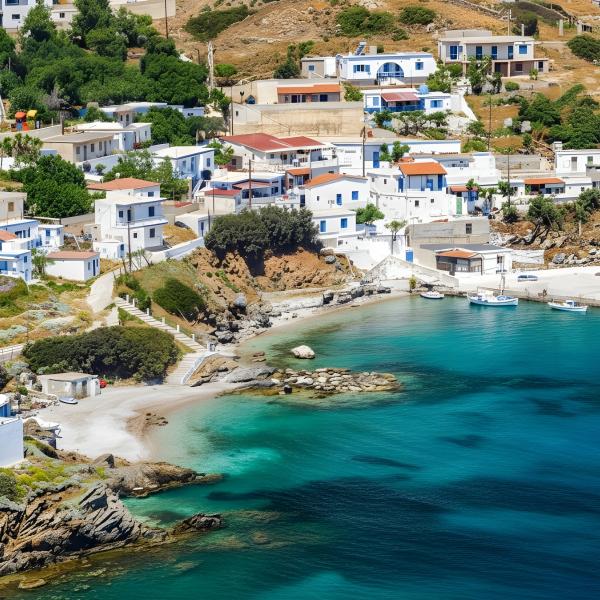
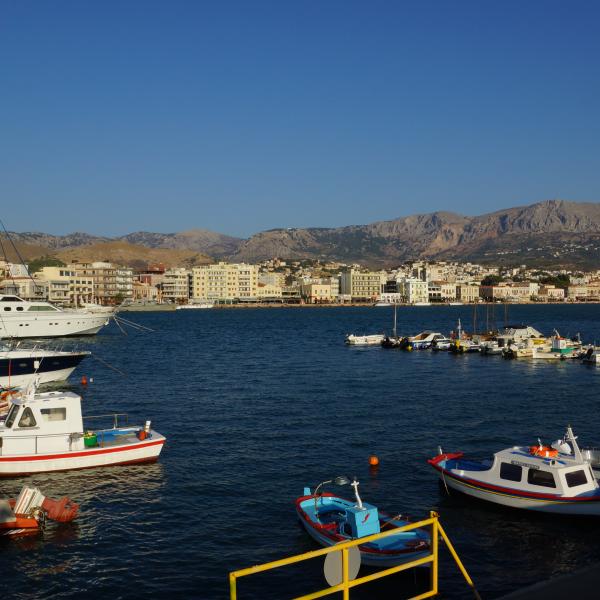
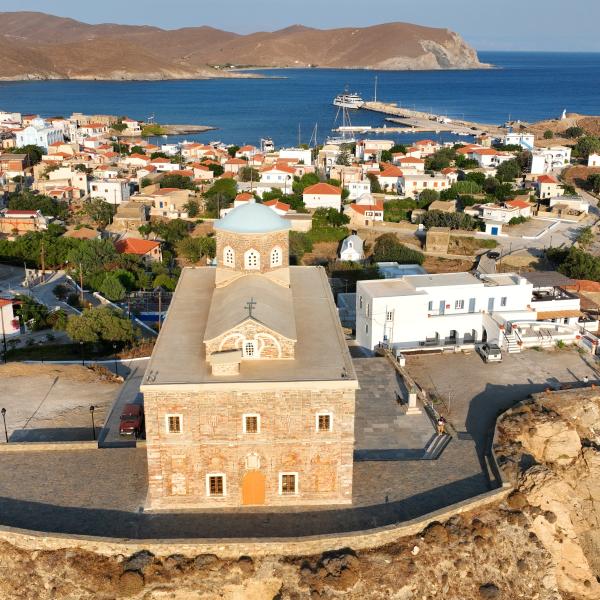
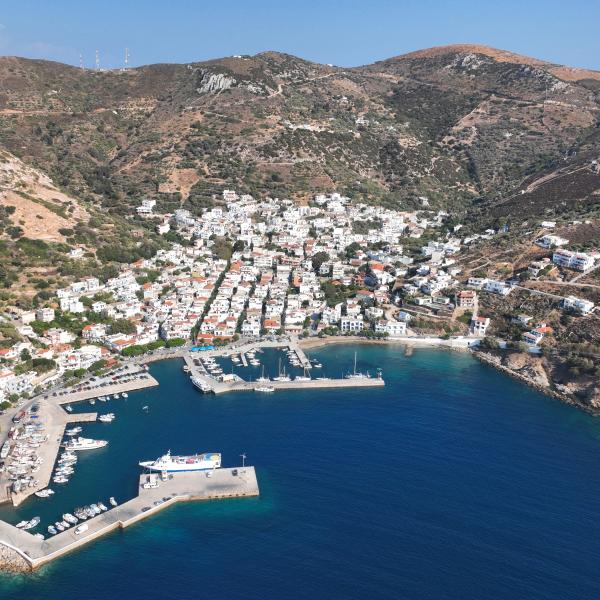
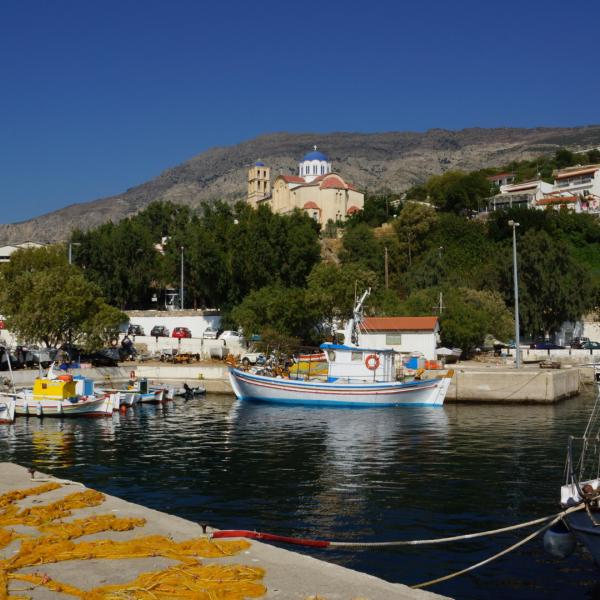
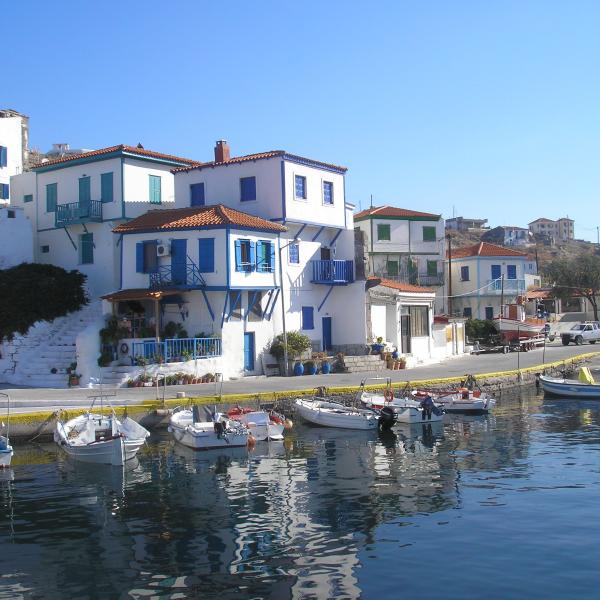


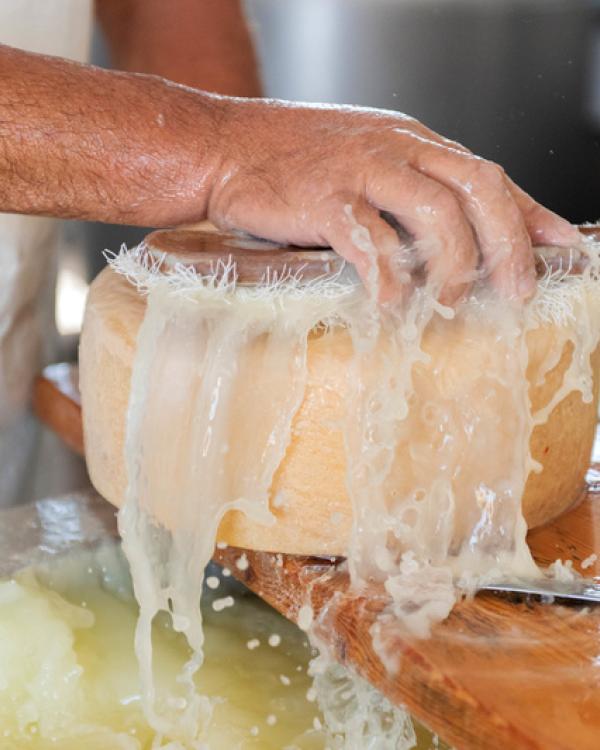
Despite the adverse climatic and geophysical conditions that characterize most islands of the Aegean, Psara maintains a small yet historic tradition in cheese-making. Livestock farming on Psara, as on other small islands, traditionally relied on animals adapted to the dry, hot environment, such as sheep and goats. This milk, rich in fat and aromas due to grazing on the local flora, constituted the raw material for the production of various cheeses, mainly to cover the needs of the inhabitants. Among the cheeses traditionally produced on the Aegean islands, including Psara, are Kopanisti, Myzithra, Kefalotyri and Tulumotyri.
Where the Earth and the Sea give birth to authentic flavors
Welcome to gaioVaigaio
gaioVaigaio was born from the love for the land and people of the North Aegean. An initiative that highlights the local products, traditions and passion of each place, through a journey of authenticity and life.
Discover with us the power of taste, the vibrancy of the islands and the magic of simplicity. Meet the people, taste the richness of nature and feel the pulse of the North Aegean in every experience.

Thymaina

Chios

Psara

Fourni

Samos

Oinousses

Lemnos

Lesvos

Ikaria

Saint Eustratios
Products
From the Earth to your Hands
Προϊοντα ΠΟΠ, ΠΓΕ, ΕΠΙΠ
Προϊοντα ΠΟΠ, ΠΓΕ, ΕΠΙΠ
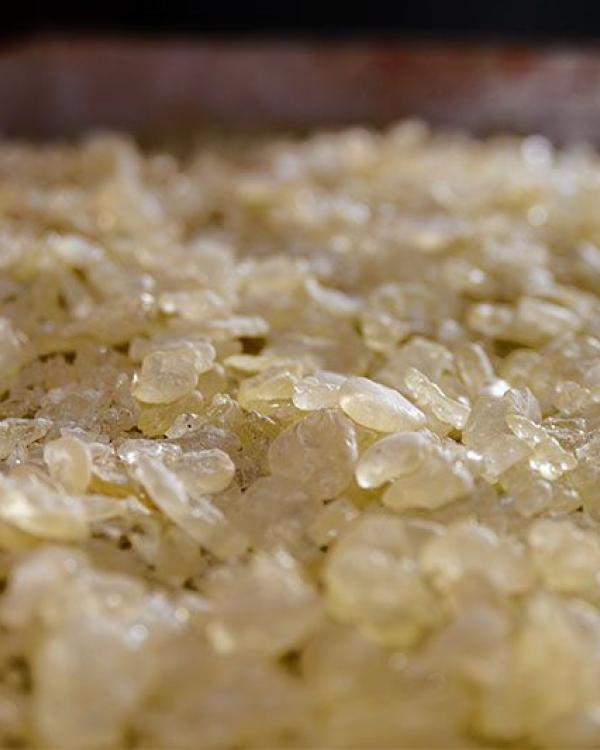
Chios Mastiha is one of the most recognizable and historic Greek PDO (Protected Designation of Origin) products, with unique characteristics that are owed exclusively to the special geographic environment and traditional cultivation of southern Chios. It is an aromatic resin that is secreted in the form of “tears” from the trunk and branches of the mastic tree (Pistacia lentiscus var. Chia), an evergreen shrub, and it is known worldwide for its aroma, taste, and therapeutic properties.
Προϊοντα ΠΟΠ, ΠΓΕ, ΕΠΙΠ
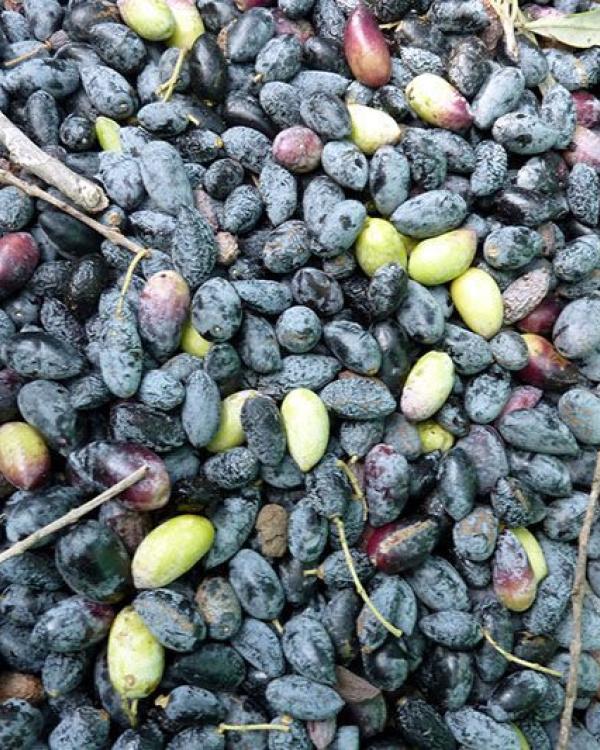
Throumba of Chios is an exceptional table olive variety, which has been recognized as a Protected Designation of Origin (PDO) product by the European Union, a fact that seals its unique quality and its unbreakable bond with the island of Chios. It is a naturally processed, dry, black olive that acquires its characteristic taste and texture directly on the tree, thanks to the special soil and climatic conditions and the traditional method of harvesting and processing. The uniqueness of the product lies in the self-debittering of the fruit, a natural process that results in an olive with soft, wrinkled flesh and a sweet, mildly salty taste, making it a distinctive product of Greek gastronomy and diet.
Προϊοντα ΠΟΠ, ΠΓΕ, ΕΠΙΠ
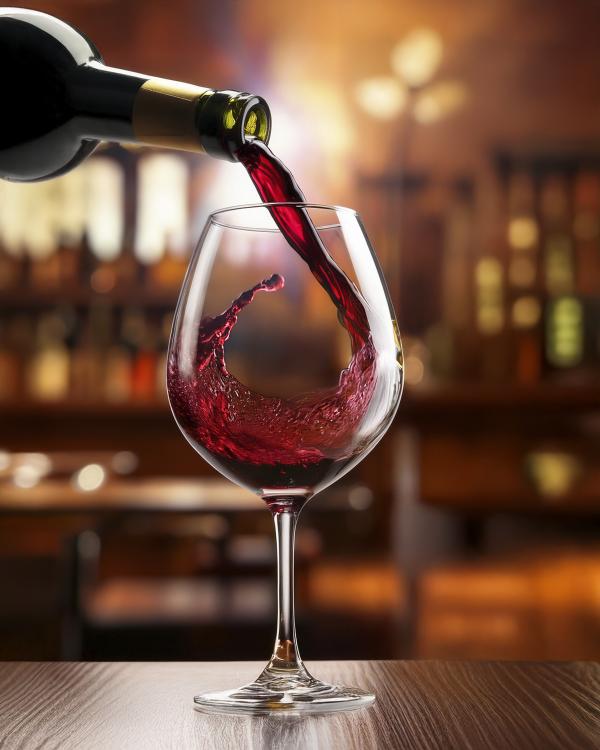
Ikaria’s Pramnian Wine is a historical legend of the Greek vineyard, directly linked to the worship of Dionysus and already mentioned in Homer’s Odyssey and Iliad, making it one of the oldest recorded wines of the ancient world. Today, the tradition of Pramnian Wine continues through the production of wines with Protected Geographical Indication (P.G.I.) Ikaria, which are based mainly on the indigenous varieties Fokiano (red) and Begleri (white). These wines are an integral part of the diet of the Ikarians, a fact highlighted by Blue Zone researchers as one of the factors contributing to the island’s inhabitants’ exceptional longevity. Winemaking in Ikaria is characterized by adherence to traditional practices, such as cultivation on terraces and the use of clay jars for fermentation.
Προϊοντα ΠΟΠ, ΠΓΕ, ΕΠΙΠ
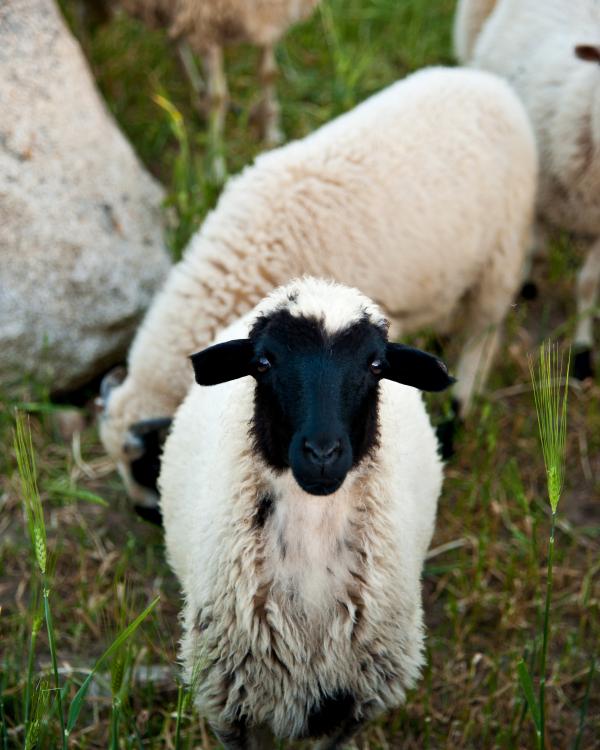
Arnaki Limnou (Lamb of Lemnos) is a select livestock product that was recognized as a Protected Geographical Indication (PGI) in 2022. This meat comes from carcasses of lambs that are born, raised and slaughtered exclusively within the islands of Lemnos and Agios Efstratios, thereby confirming its indissoluble bond with the distinctive island ecosystem and the local, traditional rearing practices. The product’s unique identity is due mainly to the semi-extensive rearing method and to the diet based on grazing the island’s native flora and on the mother’s milk, factors that give the meat particular tenderness, a juicy texture and a pleasant taste and aroma.
Events
Download the Apps Now!
Your Guide to the North Aegean, in your Hands