Ikaria Kaïsiá
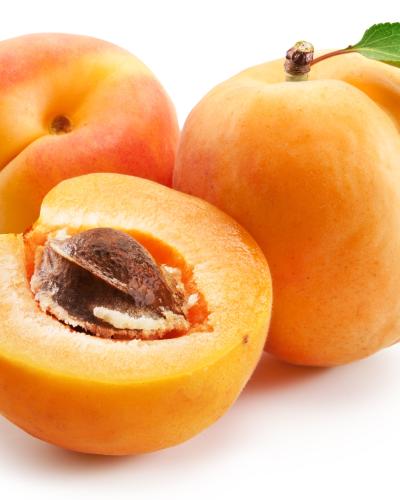
The Ikaria Kaïsiá (apricots), fruit of the local apricot variety, are one of the characteristic agricultural products of Ikaria, directly linked to the island’s gastronomy and distinctive way of life. The apricot tree belongs to the Rosaceae family and the species Prunus armeniaca L., while on Ikaria a particular local variety has adapted, known simply as Kaïsi of Ikaria. The cultivation of this variety is being studied by research institutions such as the Aristotle University of Thessaloniki, with the aim of protecting and preserving its genetic material, since local varieties are characterized by unique adaptability to the island’s specific soil and climate conditions.
The uniqueness of the product Kaïsi (Apricot) of Ikaria lies primarily in the preservation of the indigenous variety (Kaïsi of Ikaria), which has fully acclimatized to the local ecological conditions. In contrast to other regions of Greece, where traditional varieties such as “Bebekou” and “Early Tyrinthos” are often replaced by foreign ones that are more resistant to Sharka virus, Ikaria maintains its local variety as part of its agricultural heritage. The island’s emphasis on sustainable, often organic, cultivation and its association with longevity underscore the natural and qualitative superiority of the product, which is the subject of research in terms of plant health and its adaptability.
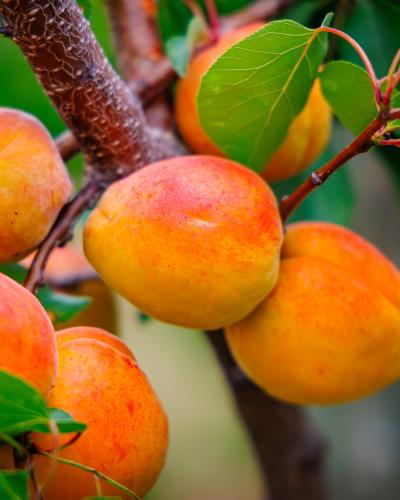
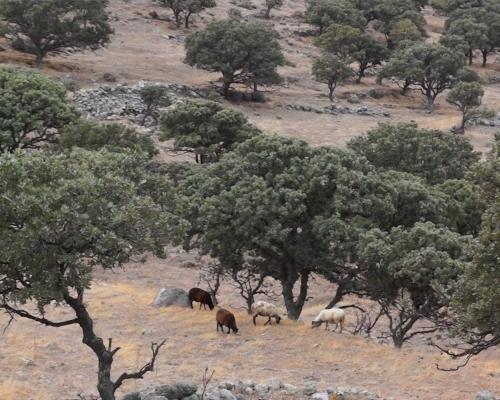
Ikaria Kaïsiá are cultivated in small orchards and vineyards, often on sloping ground, where producers use traditional stone terraces to retain the soil. Ikaria’s Mediterranean mesoclimate is characterized by mild winters and cool summers, favoring the cultivation of the apricot tree, although spring frosts or adverse conditions during flowering can affect annual production. The soils preferred by the apricot tree are usually deep, fertile and well-drained, with a pH ranging between 6 and 7.5. The resilience of the local “Kaïsi of Ikaria” to local conditions is particularly important, as it allows cultivation under conditions that do not favor foreign varieties, especially during warm winters.
The cultivation method of Ikaria Apricots follows traditional models of mild, non-intensive agriculture, often without systematic irrigation, as the apricot tree is considered relatively resistant to drought, thriving in areas with low atmospheric humidity, provided there is sufficient soil moisture. The cultivation philosophy in Ikaria, as a Blue Zone, is oriented toward practices reminiscent of organic farms, with minimal use of chemical fertilizers and pesticides, allowing the development of local varieties, such as the “Ikaria Apricot,” which has adapted to the respective ecological conditions.
The apricot tree is usually self-pollinating, which simplifies the issue of pollination, although low fruit set may be due to weather phenomena. Harvesting takes place in the summer months, usually by hand, ensuring that fruits are collected at the optimal stage of ripeness, as fruit quality (avoidance of “pitburn” or other physiological disorders) is critical, and local consumption and processing require aromatic and juicy fruits.
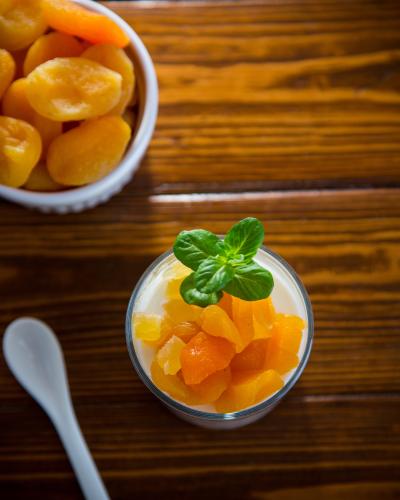
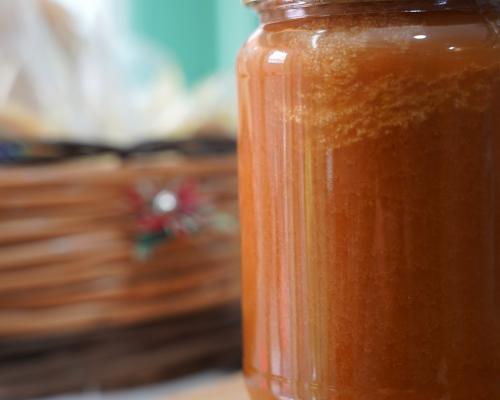
The processing of Ikaria Apricots includes the preparation of traditional sweets. The most common processed product is spoon sweet (apricot), which allows the fruit to be preserved throughout the year. They are also used for the production of homemade jams and liqueurs, while they are widely consumed as fresh fruit in their season.
The cultivation of Ikaria Apricots has a significant impact on the island’s economy, culture, and ecological balance. From an economic perspective, production, although small-scale, helps maintain agricultural income and strengthen self-sufficiency, a central pillar of Ikarian philosophy. The product is directly integrated into Ikaria’s touristic profile as a Blue Zone, highlighting the healthy lifestyle and pure products of the land. Culturally, the preservation of the local variety “Ikaria Apricot” and of traditional cultivation methods is an act of safeguarding the island’s genetic and agricultural heritage. Finally, environmentally, the mild and often non-irrigated cultivation in small orchards, which blend harmoniously into the mountainous terrain, has a far smaller ecological footprint compared to intensive farming.
The apricot tree (Prunus armeniaca) has a long history in Greece, with its cultivation being widespread in many regions. In Ikaria, the cultivation of apricots is part of the island’s rich tradition of agricultural production, where the need for self-sufficiency led to the preservation and acclimatization of local varieties, such as “Ikaria Apricot.” Research studies have confirmed the existence of this local variety and the need to preserve its propagation material, as it is adapted to the island’s particular conditions. The cultivation of fruit trees such as the apricot tree has always been part of the nutritional foundation of the inhabitants of Ikaria, contributing to the variety of foods and the dietary balance that characterizes the longevity diet. Apricots, beyond their consumption as fresh fruit, have been incorporated into traditional processing practices, with the production of sweets and jams to make use of the fruit even outside the summer season.
Apricots, especially those from Ikaria as part of the Blue Zone diet, are recognized for their high nutritional value and beneficial properties. They have a low caloric value (about 48 calories per 100 grams) and are rich in bioactive compounds.
Per 100 grams of fresh fruit, they provide 11–12 grams of carbohydrates (mainly sugar for natural energy) and about 2 grams of dietary fiber, which contributes to gut health, a key feature of the longevity of Ikaria. They are low in protein and fat. They are a good source of potassium (about 260 mg), which is vital for cardiovascular health and the function of nerves/muscles. They are an excellent source of beta-carotene (a precursor of Vitamin A), a powerful antioxidant essential for vision and skin, while they also contain Vitamin C for antioxidant defense. In addition, they contain potent antioxidants such as quercetin, proanthocyanidins, and ferulic acid, which are associated with the prevention of cardiovascular diseases, explaining their role in the longevity diet.
Apricots, especially those from Ikaria as part of the Blue Zone diet, are recognized for their high nutritional value and beneficial properties. They have a low caloric value (about 48 calories per 100 grams) and are rich in bioactive compounds.
Per 100 grams of fresh fruit, they provide 11–12 grams of carbohydrates (mainly sugar for natural energy) and about 2 grams of dietary fiber, which contributes to gut health, a key feature of the longevity of Ikaria. They are low in protein and fat. They are a good source of potassium (about 260 mg), which is vital for cardiovascular health and the function of nerves/muscles. They are an excellent source of beta-carotene (a precursor of Vitamin A), a powerful antioxidant essential for vision and skin, while they also contain Vitamin C for antioxidant defense. In addition, they contain potent antioxidants such as quercetin, proanthocyanidins, and ferulic acid, which are associated with the prevention of cardiovascular diseases, explaining their role in the longevity diet.