“Kefalos” soft drinks
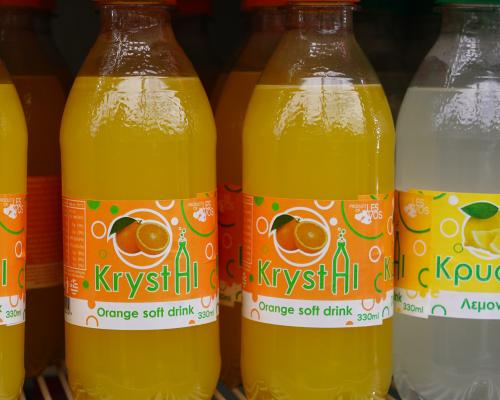
“Kefalos” soft drinks (Ikaria) are a distinctive local product of Ikaria, linking traditional production with the need for quality, refreshing beverages that are essential in the island environment. Their production is based on the use of Ikaria’s natural waters, on an island renowned for its abundant water resources, as well as on traditional know-how in preparation. The business operates as a small-scale production unit that serves mainly the local market and the increased demand during the tourist season, enhancing the island’s image for authentic, local products. The product range includes classic flavors such as orangeade, lemonade, soda and “gazoza”.
The uniqueness of the “Kefalos” product in Ikaria lies in the local nature of its production and in the source of the water used.
Quality Specifications and Raw Materials
- Local Water Source: The main point of differentiation is the use of Ikaria’s natural water, which comes from springs with a specific mineral composition that contributes to the taste and texture of the final product.
- Gazoza: A special product of the Greek soft drink tradition is “gazoza” (or lemonade), a flavor produced by “Kefalos” that serves as a point of reference for the locals. Gazoza, with its lemonade flavor and strong carbonation, is a traditional island choice.
- Flavor Quality: Production focuses on classic, timeless flavors, maintaining a recipe that is widely accepted by the local consumer base, while bottling in glass bottles (returnable or not) is often preferred, reinforcing the sense of tradition.
The production of “Kefalos” soft drinks is directly linked to the geographical terrain and water resources of Ikaria.
- Production Location: The production unit is located at a point with easy access to a high-quality water source. Ikaria, with its mountain springs fed by rainfall, ensures a steady flow of clean and cool water, essential for the production of soft drinks.
- Citrus Fruits: Although concentrated juices may also come from other sources, the local production of citrus fruits (oranges, lemons) in Ikaria offers an additional aromatic dimension, strengthening the connection of the products with the island, even if they are used in a supplementary way in industrial processes.
The production of “Kefalos” soft drinks follows the established methods of the soft drink industry, adapted to the needs of a small craft operation that places emphasis on water quality.
- Water Treatment: Before being used, the spring water undergoes filtration processes (e.g. activated carbon filters) and disinfection (e.g. with ultraviolet radiation) to remove any particles and ensure microbiological safety, without altering its original taste.
- Syrup Preparation: The concentrated syrup is prepared (a combination of sugar or sweeteners, acidity regulators – mainly citric acid, flavorings and, in the case of orange/lemon soda, juices). The precise ratio of ingredients is what determines the final, distinctive taste of “Kefalos”.
- Carbonation and Bottling: The treated water is mixed with the syrup in a specific ratio and then carbon dioxide is injected under pressure (carbonation) to achieve the desired level of effervescence. Bottling takes place on automated lines that ensure the hygiene and airtight sealing of the bottles.
The production of “Kefalos” soft drinks has a significant impact on the economic self-sufficiency and preservation of the local identity of Ikaria.
- Supply Autonomy: The existence of a local production unit ensures the immediate and steady supply of the local market, festivals, and tourism businesses, reducing transportation costs and dependence on mainland Greek companies, especially during peak months.
- Product Image: The business contributes to the image of Ikaria as a place that produces its own products, reinforcing the sense of self-sufficiency and traditional quality associated with its Blue Zone reputation.
- Jobs: The unit, though small, offers local jobs in processing and distribution, supporting the local economy.
The history of “Kefalos” soft drinks is part of the broader history of Greek soft drink workshops that flourished in the mid-20th century, based on local recipes and water sources.
- Traditional Production: The production of “Kefalos” reflects the transition from homemade syrups and beverages to standardized bottling. Such local workshops developed on the islands, making use of springs and the need for refreshing drinks, before the dominance of multinational companies.
- Name: The name “Kefalos” is directly related to the name of the company’s founder, Ilias K. Kefalos, thus reinforcing the family and local character of the product.
“Kefalos” soft drinks are inextricably linked with the summer social events and customs of Ikaria.
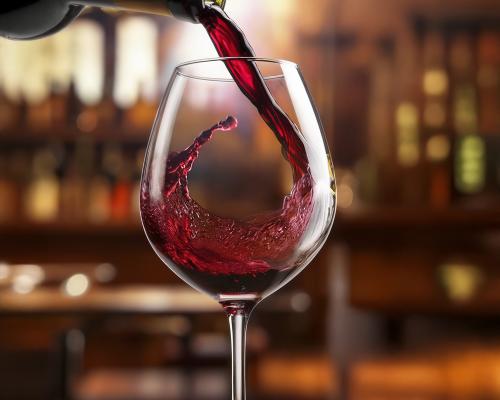
- Festivals: “Kefalos” is a staple product at the famous Ikarian festivals, offered as a non-alcoholic drink to visitors alongside the local wine.
- Cafés: In the traditional cafés of Ikaria, “Kefalos”, together with Greek coffee, is a classic treat, thus maintaining the connection with local social life.
Like all sugary soft drinks, “Kefalos” soft drinks are primarily a source of carbohydrates (sugar). Their nutritional value depends on the type of product (e.g. plain soda versus sugary orange soda).
- Macronutrients:
- Calories and Sugar: Their main contribution is energy (calories) from sugar or fructose. Most sugar-sweetened soft drinks contain about 8–12 g of sugar per 100 ml.
- Vitamins: The vitamin content (even in fruit-flavored varieties) is negligible due to the small amount of juice and the processing.
- Qualitative Characteristics: The quality of the water used is the main factor that can provide trace elements (e.g. magnesium, calcium) in the final product, albeit in small amounts.
Like all sugary soft drinks, “Kefalos” soft drinks are primarily a source of carbohydrates (sugar). Their nutritional value depends on the type of product (e.g. plain soda versus sugary orange soda).
- Macronutrients:
- Calories and Sugar: Their main contribution is energy (calories) from sugar or fructose. Most sugar-sweetened soft drinks contain about 8–12 g of sugar per 100 ml.
- Vitamins: The vitamin content (even in fruit-flavored varieties) is negligible due to the small amount of juice and the processing.
- Qualitative Characteristics: The quality of the water used is the main factor that can provide trace elements (e.g. magnesium, calcium) in the final product, albeit in small amounts.