Kolovi olive of Mytilene
The Kolovi olive of Mytilene, or Kolovi olive of Lesvos, is an indigenous and dominant olive variety of the island of Lesvos, renowned both for the production of extra virgin olive oil (which has already received the PGI designation “Mytilene Oil”) and for its edible fruit, which is seeking Protected Designation of Origin (PDO) status as a table olive. It is a medium-fruited variety with particularly distinctive organoleptic and physical characteristics that make it unique. The preservation of traditional cultivation and processing methods, which date back centuries, plays a decisive role in the final quality of the product, highlighting the close connection between the island’s unique microclimate and this special variety.
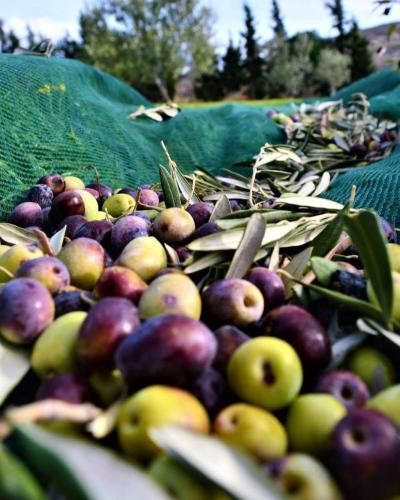
Kolovi (lat. Olea europaea var. microcarpa) is the dominant olive-growing variety of Lesvos, covering approximately 80% of the local olive grove. Its main synonyms are Mytilene olive or Mytilenia, while, due to its characteristic shape, it is often called by the locals Valanolia (from the acorn). Its fruit is small to medium-sized (with an average weight of 3–4.5 grams), has an ovoid or spherical shape, and possesses an extremely distinctive feature: the hollow end and the presence of a nipple or spike at the tip, which resembles an acorn, hence its local name.
The uniqueness of Kolovi focuses on the following:
- Morphological Characteristics: The shape of the fruit with the hollow tip and the nipple is visually distinctive.
- Organoleptic Characteristics: The fruit has a thin skin and produces olive oil with an intense aroma and mild flavor, which ranks it among the best oil-producing varieties.
- Traditional Processing: The processing of the table olive is done through natural fermentation in brine (using sea salt from local salt pans, such as those of Kalloni), minimizing processing and preserving its authentic characteristics and long-term shelf life.
The Kolovi olive is cultivated almost exclusively on the island of Lesvos (Mytilene), where it constitutes the hallmark of the island’s olive grove. Lesvos is characterized by a peculiar microclimate and soils that contribute to the unique development of the variety. The olive groves are often found in semi-mountainous areas with a humid climate, calcareous soil and generous sunshine.
- Soil and Climatic Requirements:
- The olive tree in general is resilient and grows even in barren, rocky soils; however, Kolovi performs better in relatively fertile soils that retain moisture. It prefers a neutral or slightly alkaline soil reaction (pH 7–8). It suffers in heavy soils that hold water.
- The variety is characterized by a long flowering period (about 3–4 weeks), a feature that makes it resilient to climate change.
- Delimitation of the Area (for PDO): The geographical area for the table olive includes the entire island of Lesvos, as cultivation of the Kolovi variety extends over a large part of its surface. The traditional processing, as described in the PDO dossier, is directly linked to the sea salt originating from the Kalloni salt pans, which are located within the delimited area.
The production of the Kolovi olive is based on traditional practices shaped by Lesvos’ long-standing olive-growing tradition, ensuring the quality and preservation of the fruit’s distinctive characteristics.
Cultivation and Harvesting
Planting, pruning, fertilization and monitoring of the olive trees are usually a family affair (due to the small size of agricultural holdings in the area) and are carried out with particular care.
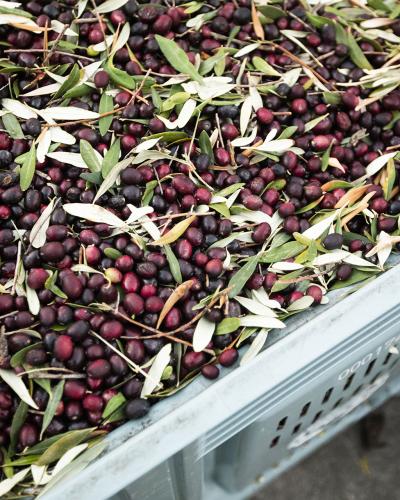
- Harvest Seasonality: The Kolovi harvest takes place during the stage when the fruit is green (for green olives) or turns a dark blackish-red (for ripe olives).
- Traditional Harvesting Techniques: The fruit is harvested by hand using the traditional “hand stripping” method (by hand) or with the help of manual (or mechanical) rods. These gentle methods, in contrast to “beating” into nets on the ground, ensure that the fruit is free from soil and injuries (bruises), which degrade quality. As a result of the careful harvesting, the fruit contains a smaller amount of chlorophyll, which is associated with a longer shelf life.
Processing (Table Olive)
Processing of the edible Kolovi olive is minimal and is based on age-old local traditions.
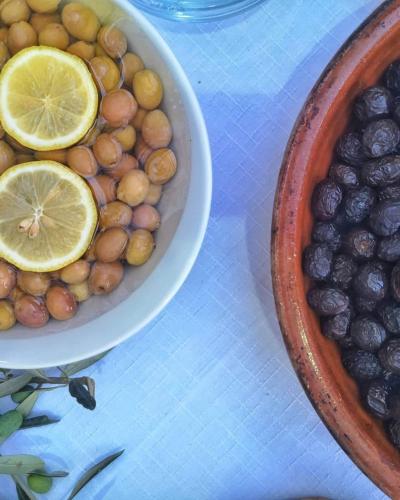
- Debittering and Fermentation: The olives are debittered and fermented/preserved using the method of natural fermentation in brine, without any additional chemical treatment.
- Use of Local Resources: The brine is prepared exclusively with sea salt from the Kalloni salt pans (a local product), which reinforces the link with the area.
- Aromatic Ingredients: In certain traditional cases, the brine is enriched with aromatic plants from the island, further highlighting the intense aroma and flavor of the olive. This “minimal possible processing” is a key component of the production philosophy and the PDO dossier.
The Kolovi olive is the main pillar of the rural economy of Lesvos, with the olive grove covering the overwhelming majority of the island’s cultivations. The impact is multidimensional:
- Economic Significance: Olive cultivation provides direct and indirect income to thousands of families. The high oil content of the Kolovi variety and the exceptional quality of the olive oil produced (“Mytilene PDO Oil”) ensure the product’s exportability and added value.
- Environmental Conservation: The traditional Kolovi olive groves, with their very old trees and the use of mild cultivation methods, preserve the unique rural landscape of Lesvos, while at the same time protecting against soil erosion and maintaining biodiversity.
- Cultural Identity: Olive growing has shaped the island’s identity and culture for centuries. The PDO designation for table olives and the registration of the PGI for the oil will constitute institutional recognition of the product’s historical, cultural and economic value, strengthening collective action and the sustainability of local olive cultivation.
The history of the olive on Lesvos is lost in the mists of time, with cultivation rooted in antiquity. Kolovi (or Mytilinia) is the local variety, which has adapted perfectly to the island’s soil and climate conditions.
- Centuries-old Tradition: Olive cultivation on Lesvos is an unbroken tradition. The traditional olive presses (many of which have been converted into museums) and the stone-built buildings associated with production bear witness to the immense cultural heritage linked to the product.
- The Name “Valanolia”: The local name Valanolia (from its acorn-like shape) is historical evidence of the close observation of nature by Lesvian farmers and their deep knowledge of the characteristics of the variety.
- Dual Use: Kolovi is a dual-purpose variety, as it is used both for the production of excellent olive oil and as a table olive. This fact highlights its versatility and its importance for the island’s food self-sufficiency over the centuries.
Many customs and traditions on Lesvos are directly linked to the olive grove, the harvest and the olive oil, reflecting the product’s life cycle.
- The “Mazoma” (Harvest): The harvest (“to mazoma”) has always been a social event, often involving the entire family, relatives, or even the whole village. The traditional method of hand-picking requires patience and cooperation.
- The Festival of Oil: In many villages of Lesvos, the completion of the harvest and the production of the first oil used to be a cause for celebration. Olive oil was (and remains) sacred, linked to religious rites, weddings, and baptisms.
- Preservation Recipes: The traditional preservation of Kolovi olives in brine with local salt and aromatic herbs (such as oregano and thyme) is a local custom and secret, passed down from generation to generation, shaping their distinctive flavor.