vegetables
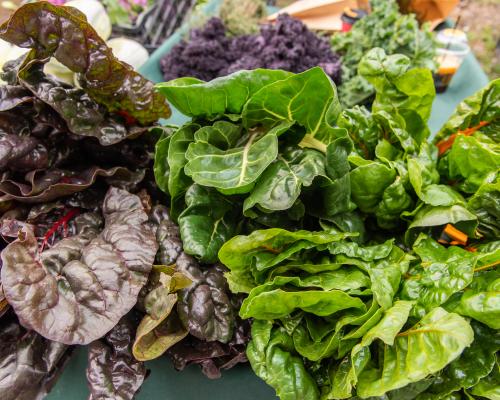
The vegetables of the North Aegean (also known as “perivolisia” or garden vegetables) constitute a critical category of agricultural products that ensure food self-sufficiency and the diversity of local cuisine on the islands of Agios Efstratios, Thymaina, Ikaria, Lesvos, Limnos, Oinousses, Samos, Fournoi, Chios and Psara. Their production focuses mainly on thermophilic species that thrive in the Mediterranean climate during spring and summer, such as tomatoes (Solanum lycopersicum), cucumbers (Cucumis sativus), peppers (Capsicum spp.), eggplants (Solanum melongena) and zucchini (Cucurbita pepo). Given the dry and hot environment and the lack of major water resources, vegetable production on most islands is small-scale and closely linked to traditional gardens and family consumption, with cultivation methods centered on water-saving practices and the use of local seeds. The exception is certain lowland areas of Lesvos, Limnos and Samos, where more intensive cultivation is possible.
The uniqueness of the vegetables of the North Aegean does not lie in intensive production, but in their superior quality and the distinctive intensity of flavor that the fruits acquire due to the dry, hot conditions and small-scale, traditional cultivation. Plants that grow under conditions of water scarcity and intense sunlight develop higher concentrations of dry matter, sugars and aromatic compounds, resulting in richer taste and strong aroma, especially in tomatoes and peppers.
Particular mention should be made of the “Limnos Tomato” or the “Samos Tomato” (where traditional small-fruited types are produced) and the peppers (Capsicum annuum) of Chios and Lesvos.
The cultivation of vegetables on the islands of the North Aegean is geographically fragmented and concentrated in sheltered valleys, coastal lowland zones and gardens near water sources.
- Soil and Climatic Conditions: The islands are characterized by a dry Mediterranean climate, intense sunshine and rocky/sandy soils with low organic matter. These conditions make irrigation essential, limiting vegetable production to areas with underground water reserves or the possibility of transporting water.
- Lemnos: It has relatively large lowland areas and production based on local varieties of tomatoes (small-fruited), zucchini and watermelons, with cultivation being favored by the greater availability of agricultural land.
- Ikaria & Samos: Production is mainly small-scale and scattered across terraces or in sheltered spots with sufficient moisture.
- Chios: Vegetable production is significant in Kambos and other fertile areas, where water has traditionally been more available.
The method of cultivating vegetables on the Aegean islands is usually traditional or semi-intensive, with great emphasis on water conservation and the use of local agricultural tools and techniques.
- Irrigation & Water Management: The most critical practice is the management of irrigation. Historically, manual water-lifting wells or wells were used for drawing water. Modern practice includes extensive use of drip irrigation to minimize water losses, a practice crucial for the sustainability of cultivation in the dry environment of the Aegean.
- Sowing and Planting: Sowing is usually done in seedbeds and transplanting takes place in spring (March–April), when the risk of frost has passed. Many producers maintain local seed populations (e.g., local Lemnos tomato, zucchini seeds) that have adapted to dry conditions and possess a distinctive flavor.
- Harvesting: Harvesting is carried out manually and gradually, as vegetables (tomatoes, cucumbers, peppers) ripen, ensuring that they are collected at the optimal stage of maturity. Seasonality of production is pronounced, with the highest yields recorded during the summer months (June–September).
- Processing & By-products: A significant portion of production (especially tomatoes on Lemnos) is directed to processing. The main by-products are handmade sauces, tomato jams and sun-dried tomatoes (a traditional drying method for preservation).
The production of vegetables on the islands of the North Aegean has primarily social and dietary impact rather than major commercial significance (with the exceptions of Lemnos and Lesvos).
- Food Self-Sufficiency: Vegetable production, especially on the smaller and more isolated islands (e.g., Agios Efstratios, Psara), is critical for the local food self-sufficiency of families during the summer months, reducing dependence on costly imports.
- Preservation of the Rural Landscape: The existence of “perivolia” (small vegetable plots) preserves the traditional structure of the rural landscape and the use of traditional water-management systems (such as the “manganopigada” in Chios and Samos), contributing to the preservation of cultural heritage.
- Economic Activity: In Lemnos, tomato processing has created small workshops that produce tomato paste and sauces, adding value to the product and strengthening the local economy.
History and cultural heritage
The cultivation of vegetables, especially those introduced after the discovery of America (such as tomato, pepper, zucchini), was incorporated into Aegean cuisine over the last few centuries.
- Organization of the Gardens: Vegetable production on the islands is inextricably linked to the traditional organization of gardens and settlements. The location of gardens near water sources, the presence of stone walls for protection, and traditional shading techniques attest to a centuries-long effort to adapt to arid conditions.
- Seed Preservation: The preservation of local tomato varieties and other vegetables (known as “local seed stock”) is an important part of cultural heritage. These seeds, which have been passed down from generation to generation, are genetically adapted to the local microclimate and are responsible for the distinctive taste of island-grown vegetables.
Vegetables are at the heart of the island summer diet and are tied to simple, everyday gastronomic traditions.
- The Taste of Summer: Freshly cut vegetables form the basis of traditional Greek village salads and “gemista” (tomatoes and peppers stuffed with rice and herbs), which are classic summer dishes on all the islands of the Aegean.
- Preservation: One of the most important customs is the preservation of summer vegetables for the winter. The production of tomato paste and the sun-drying of tomatoes (sun-dried tomatoes) were traditional family practices that ensured the use of the fruit throughout the year.
Distinctions for Processed Products: Local artisan producers that make Lemnos tomato paste or spoon sweets from zucchini/tomato from Samos and Lesvos have received commercial distinctions in national and international food competitions (e.g., Great Taste Awards, Olymp Awards) for the quality of their products. These distinctions confirm the high quality of the raw material.
Τα κηπευτικά του Αιγαίου είναι ιδιαίτερα θρεπτικά, με την έντονη ηλιοφάνεια να συμβάλλει στην αυξημένη σύνθεση βιοδραστικών ενώσεων, ενισχύοντας τη λειτουργική τους αξία.
- Βιταμίνες και Αντιοξειδωτικά: Οι ντομάτες (Solanum lycopersicum) αποτελούν βασική πηγή Βιταμίνης C και, κυρίως, λυκοπενίου, ενός ισχυρού καροτενοειδούς αντιοξειδωτικού, η συγκέντρωση του οποίου έχει βρεθεί ότι είναι υψηλότερη σε καρπούς που ωριμάζουν υπό έντονη ηλιοφάνεια. Οι πιπεριές, ειδικά οι κόκκινες, είναι επίσης πλούσιες σε Βιταμίνη C και Βιταμίνη Α.
- Μακροθρεπτικά Συστατικά: Τα κηπευτικά είναι κατά βάση χαμηλά σε θερμίδες και λιπαρά, ενώ περιέχουν υψηλή ποσότητα νερού και φυτικών ινών. Οι φυτικές ίνες (περίπου 1-2 γραμμάρια ανά 100 γραμμάρια) συμβάλλουν στη ρύθμιση του σακχάρου και της χοληστερόλης.
- Μέταλλα: Παρέχουν σημαντικές ποσότητες Καλίου (K), Μαγνησίου (Mg) και φυλλικού οξέος.
Η αυξημένη ξηρά ουσία, που προκύπτει από την καλλιέργεια με περιορισμένο νερό, σημαίνει ότι η συγκέντρωση αυτών των θρεπτικών συστατικών (μαζί με τα σάκχαρα και τα οξέα) είναι υψηλότερη ανά μονάδα βάρους σε σχέση με κηπευτικά εντατικής καλλιέργειας.
Τα κηπευτικά του Αιγαίου είναι ιδιαίτερα θρεπτικά, με την έντονη ηλιοφάνεια να συμβάλλει στην αυξημένη σύνθεση βιοδραστικών ενώσεων, ενισχύοντας τη λειτουργική τους αξία.
- Βιταμίνες και Αντιοξειδωτικά: Οι ντομάτες (Solanum lycopersicum) αποτελούν βασική πηγή Βιταμίνης C και, κυρίως, λυκοπενίου, ενός ισχυρού καροτενοειδούς αντιοξειδωτικού, η συγκέντρωση του οποίου έχει βρεθεί ότι είναι υψηλότερη σε καρπούς που ωριμάζουν υπό έντονη ηλιοφάνεια. Οι πιπεριές, ειδικά οι κόκκινες, είναι επίσης πλούσιες σε Βιταμίνη C και Βιταμίνη Α.
- Μακροθρεπτικά Συστατικά: Τα κηπευτικά είναι κατά βάση χαμηλά σε θερμίδες και λιπαρά, ενώ περιέχουν υψηλή ποσότητα νερού και φυτικών ινών. Οι φυτικές ίνες (περίπου 1-2 γραμμάρια ανά 100 γραμμάρια) συμβάλλουν στη ρύθμιση του σακχάρου και της χοληστερόλης.
- Μέταλλα: Παρέχουν σημαντικές ποσότητες Καλίου (K), Μαγνησίου (Mg) και φυλλικού οξέος.
Η αυξημένη ξηρά ουσία, που προκύπτει από την καλλιέργεια με περιορισμένο νερό, σημαίνει ότι η συγκέντρωση αυτών των θρεπτικών συστατικών (μαζί με τα σάκχαρα και τα οξέα) είναι υψηλότερη ανά μονάδα βάρους σε σχέση με κηπευτικά εντατικής καλλιέργειας.