Yoghurt
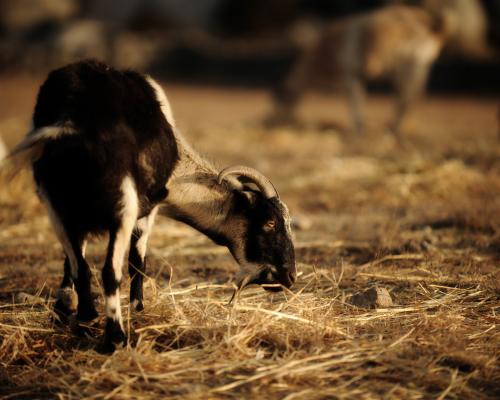
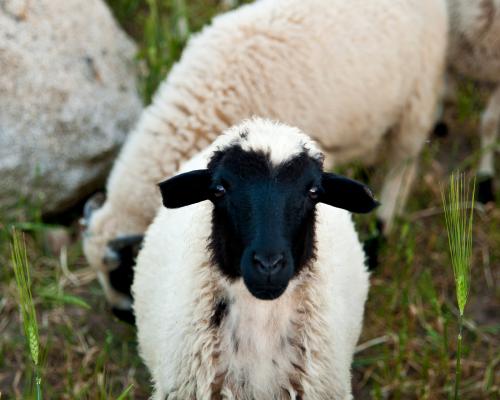
Lesvos, an island with a deeply rooted livestock tradition, is one of the most important centers of sheep and goat milk production in the Aegean. The quality of the milk, which comes from free-range animals grazing on the island’s expanses rich in aromatic plants, forms the basis for a range of exceptional dairy products, among which traditional sheep’s milk yogurt stands out. This yogurt is not merely a dairy product, but a part of Lesvian gastronomic identity, produced in small family-run units and cooperative dairies, following recipes passed down from generation to generation. It is characterized by its rich, full flavor and its distinctive thick crust (skin) on the surface.
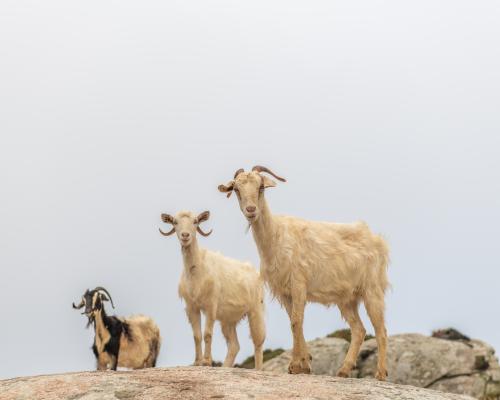
Lesvos Yogurt is identified primarily as Traditional Sheep’s Milk Yogurt or, to a lesser extent, as Goat’s Milk Yogurt. Its uniqueness stems from the raw material: the sheep and goat milk, which is collected from local herds raised in the island’s semi-mountainous areas. The animals’ diet, based on the vegetation of Lesvos’ land, which is rich in endemic herbs and aromatic plants, imparts to the milk and consequently to the yogurt unique aromas and a more piquant, complex taste compared to cow’s milk products.
Its reputation is founded on local production, with characteristic examples of dairies (such as in Mesotopos or Filia) that use exclusively 100% fresh Lesvos sheep and goat milk from their own or local production.
Yogurt production on Lesvos is closely linked to the island’s main livestock zones, where grazing conditions are ideal for raising sheep and goats. Important centers of dairy production are Mesotopos, Agia Paraskevi and the Kalloni area, where cooperative and private units operate.
The quality of the milk, which directly determines the quality of the yogurt, is the result of the distinctive microclimate and the soil wealth of Lesvos. The island, with its volcanic origin, has soils rich in mineral elements, while its flora includes a multitude of aromatic and medicinal plants (e.g., thyme, oregano, sage) that are consumed by free-range animals. This natural diet enriches the milk with a characteristic flavor and a higher concentration of bioactive compounds, making it ideal for the production of traditional dairy products.
The production of traditional Lesvos yogurt follows a classic, time-tested method that aims to achieve the characteristic “skin” and rich texture.
- Milk Collection and Pasteurization: Fresh goat and sheep milk is collected daily from local livestock farmers. Pasteurization follows, a mild heat treatment (usually at 85°C to 90°C for 5–15 minutes), which kills pathogenic microorganisms without significantly destroying the milk’s nutrients. In certain traditional facilities, high heating is necessary in order to reduce the water content and increase the density of the milk, preparing it for coagulation.
- Addition of Culture (Coagulation): After the milk is cooled to a temperature of 42°C to 45°C, yogurt starter (culture) is added, consisting of the thermophilic microorganisms Streptococcus thermophilus and Lactobacillus delbrueckii subsp. bulgaricus. These cultures are responsible for fermenting lactose and producing lactic acid.
- Bottling and Incubation (Maturation): The milk with the starter is bottled directly into the clay pots or into the packaging containers. The crucial phase of incubation (or maturation) takes place at 42°C to 45°C for 3 to 4 hours. During this process, the lactic acid produced coagulates the milk proteins, creating the characteristic structure of yogurt. The traditional “skin” forms naturally on the surface during the coagulation of the milk, due to the high heat treatment and the high content of sheep’s milk in solids and fat.
- Cooling and Preservation: After coagulation, the yogurt is rapidly cooled to 4°C to stop the action of the cultures and preserve its texture and flavor.
Traditional yogurt and dairy products in general constitute one of the main pillars of primary production on Lesvos, along with ouzo and olive oil.
- Support of Livestock Farming: The demand for local yogurt ensures the viability of the island’s sheep and goat farming, which is inextricably linked to the preservation of the rural landscape and biodiversity.
- Local Economy: Small cheese-making units and livestock cooperatives (such as the Agricultural Livestock Cooperative of Mesotopos or the Mantamados Cooperative) provide significant jobs and keep wealth within the local community, acting as a counterbalance to the concentration of industry.
- Tourism and Gastronomy: Traditional yogurt is promoted as a local delicacy in the island’s tavernas and shops, reinforcing Lesvos’s image as an authentic gastronomic destination.
The tradition of yogurt production in Lesvos is as old as the history of sheep and goat farming on the island. For centuries, processing milk into longer-lasting products such as yogurt, feta, and ladotyri was essential for the survival of farming families. Yogurt was not just food, but part of the family economy and self-sufficiency. In contrast to mass production, where yogurt sets in large tanks, in Lesvos the practice of setting it directly in the clay pot has been preserved, a technique directly linked to the final texture and characteristic skin of the product. The island’s gastronomic heritage includes yogurt as a fundamental ingredient, whether as breakfast or as a dessert with honey and walnuts.
Yogurt is associated with the following customs:
- In rural areas, yogurt, along with other dairy products (such as fresh milk or rice pudding), was the main form of treat offered to visitors, especially after the harvest or during local festivals.
- The Starter as dowry: The starter culture (yogurt culture) was traditionally considered valuable and was passed down from one generation to the next or exchanged among housewives, thus ensuring the continuity of the authentic flavor of local yogurt.