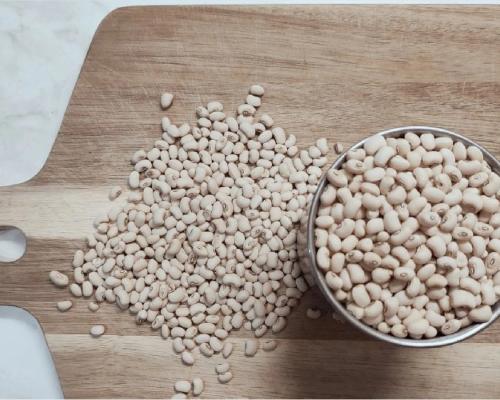
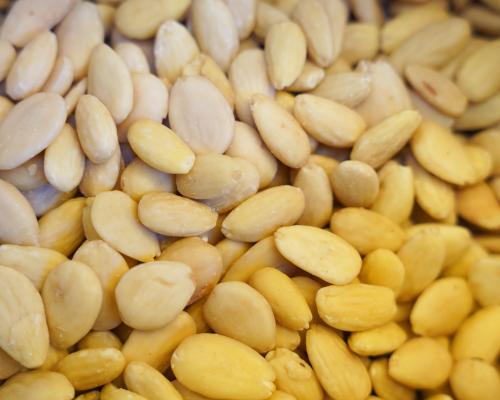
Barley (Panagias)
Barley (Hordeum vulgare) is one of the most important and historically significant cereals of the island of Limnos, which has traditionally been described as the “granary of the Aegean.” In contrast to wheat, which prevailed for human consumption, barley on Limnos has retained its primary importance, not only as the base for traditional baked products, but mainly as an efficient feed for the island’s substantial livestock. Its cultivation is closely linked to the agro-pastoral systems of Limnos, which relied on the plant’s adaptability to dry, hot conditions and poor soils. The dominant local variety, “Panagia Barley,” is a characteristic example of how Limnian farmers preserved and utilized native genetic material.
The uniqueness of Limnos barley lies in the existence and preservation of the local variety “Panagia,” which has demonstrated exceptional adaptability to the island’s soil and climate conditions, including pronounced fluctuations in rainfall and limited access to natural resources.
- The local “Panagia” variety is cultivated by the majority of the island’s farmers, particularly livestock-farmer households (kechayades). There are also references to the intercropping of barley with oats, known as smigos, which is likewise used as animal feed.
- The value of the Panagia Barley variety has been recognized at national level:
- Conservation Scheme: In 2022, Panagia Barley was entered into the National Catalogue of Varieties of Cultivated Plant Species of the Ministry of Rural Development and Food as a “variety for conservation.”
This registration confirms the importance of the variety as native genetic material and paves the way for its further utilization by local cooperatives and producers. The maintainers of the variety are the Agricultural Cooperative of Atsiki and the Union of Agricultural Cooperatives of Limnos.
Barley cultivation on Limnos is carried out across the entire island, taking advantage of the extensive plains that historically made Limnos a “granary.” The geographical factors that favor barley are:
- Edaphoclimatic Conditions: Barley, as a plant, is one of the most adaptable cereals, capable of being cultivated in environments where other cereals (such as maize or rice) do not thrive. This resilience makes it ideal for the dry, hot conditions of the Greek islands, where the strong variability in rainfall is a key challenge. Barley can yield well in poorer or more saline soils compared to wheat, making it valuable for the overall management of Lemnos’s agricultural land.
The cultivation of barley on Lemnos follows traditional practices, integrated into the island’s complex agro-pastoral system.
- Edaphoclimatic Requirements and Techniques: The local Panagia variety has been selected through genetic improvement by the island’s farmers for its resistance to stresses such as drought and its adaptability to the local climate. The cultivation is usually rainfed, relying mainly on winter rainfall. Sowing generally takes place in the autumn.
- Traditional Practices and By-products (Animal Feed): Barley, together with oats and “smigos” (intercropping of barley and oats), constitutes a key component of the feed for Lemnos’s substantial livestock population. The direct relationship between its production and animal husbandry (e.g., the “mantres” as centres of agro-pastoral activity) underlines its dominant use. The consumption of barley by the animals is critical for the production of the renowned dairy products of Lemnos, such as Melichloro and Kalathaki Limnou cheese (PDO).
- Processing / Standardisation: Barley is mainly processed into:
- Wholemeal barley flour: Used for the production of barley rusks (kritharokouloures) and other bakery products. Milling is carried out by local mills.
- Dehulled Grain (Bulgur/Trachanas): While its primary use is as animal feed, part of the grain is processed for human consumption, preserving the tradition of barley use in the diet.
Lemnos barley is a cornerstone of the local agro-livestock model. Its cultivation has multiple impacts:
- Support of Livestock Farming: Barley, as the main animal feed, ensures the maintenance of Lemnos’ large livestock population. This livestock farming is essential for the production of the recognized PDO cheeses (Kalathaki Lemnou, Feta) and Melichloro, which constitute important economic resources for the island.
- Genetic Conservation: The official registration of the “Panagias” variety in the National Variety Catalog functions as institutional recognition and protection of Lemnos’ plant genetic diversity, safeguarding local seed production from being replaced by commercial varieties.
- Value-Added Products: The transformation of barley into whole-grain barley rusks by local bakeries and businesses is an important source of income, promoting Lemnos as a place of production of healthy, traditional foods.
The cultivation of barley on Lemnos dates back to antiquity, given that it is one of the oldest cultivated cereals worldwide, with indications of domestication in the Middle East approximately 10,000 years ago. Lemnos, as a well-known granary, has always relied on cereals (wheat and barley) for survival and trade. Historically, barley, due to its resilience, constituted the basic guarantee of food security in periods of poor wheat harvests or drought, as well as the steady feed for livestock, mainly sheep and goats. The local variety “Panagias” is part of this cultural heritage, as it was preserved for generations by the farmers of Lemnos, the kechagiades, without direct commercial benefit, but guided by their love for safeguarding their ancestors’ seeds and ensuring the production of animal feed.
The local variety Barley Panagias has obtained one of the most important forms of recognition, which serves as a basis for future commercial distinctions:
- Organization/Body: Ministry of Rural Development and Food (MRDF)
- Year/Code: 2022 (Government Gazette 4748/B/08.09.2022)
- Distinction/Category: Registration in the National Catalogue of Varieties as a “conservation variety” (PANAGIAS).
- Significance: This distinction constitutes the official recognition of the plant genetic value of the variety, allowing the maintainers (Atsiki Agricultural Cooperative and Lemnos Union of Agricultural Cooperatives) and the producers to further capitalize on it.
Barley (especially in wholemeal form or as boiled grain) is a cereal with particularly high nutritional value, distinguished by its rich content of dietary fibre (soluble and insoluble).
Barley (especially in wholemeal form or as boiled grain) is a cereal with particularly high nutritional value, distinguished by its rich content of dietary fibre (soluble and insoluble).