Buknes or Arkounes of Samos (variety of figs)
The fig is one of the most characteristic and traditional agricultural products of Samos, with the fig tree being a tree closely linked to the history and rural economy of the island. In particular, the variety “Bouknia of Samos” (and the fruits: “Bouknes” or “Arkounes,” as they are called in Western Samos) stands out as a local, traditional fig tree variety cultivated on the island. This variety, like other local varieties of Greece, is adapted to the specific soil and climatic conditions of the North Aegean and is intended mainly for fresh consumption, but also for drying. The cultivation of the fig tree in Samos contributes to the preservation of biodiversity and is part of the island’s agricultural production.
The fig tree variety cultivated in Samos and known as “Bouknia of Samos” has a distinct elongated cylindroconical, thin‑skinned, black fruit. It bears fruit twice each year. It fruits in spring and again in summer, producing smaller fruits (called “bouknakia” in the local dialect). In some sources, the synonym “Ampourkounes” is also mentioned as a traditional variety from Chios, with the “Bouknia of Samos” being referred to as a separate local variety. It is a traditional Greek variety, included among the main fig tree varieties cultivated in Greece, together with the Kalamon, Kymi and Vasilika figs.
The reference to the “Bouknia of Samos” variety in agronomic and commercial sources highlights its local identity and its adaptation to the island’s particular characteristics.
The climate of Samos is Mediterranean, characterized by mild, wet winters and dry, hot summers, with the presence of summer winds affecting cultivation conditions. The fig tree as a species is extremely drought‑resistant and has no particular soil requirements, thriving in deep, fertile, well‑drained soils, though it also tolerates calcareous or moderately alkaline soils. The mountains of Samos, especially Kerkis (Kerketéas) and Ampelos (Karvounis), create microclimates that differentiate cultivation conditions from region to region, although the Bouknia of Samos is traditionally cultivated in lowland/semi‑mountainous areas of the island. The adaptation of this particular variety to the Samian environment is one of the reasons it is maintained as a local variety.
The cultivation of the local variety “Boukniá of Samos,” within the framework of agricultural products, follows traditional practices embedded in the Mediterranean model. The fig tree is a hardy tree with low cultivation requirements compared to other fruit trees, especially in terms of water and fertilization.
The soil and climatic conditions of the island allow the tree to thrive without particular demands, as the fig tree has a strong root system that withstands drought. Traditionally, apart from pruning, it receives no other cultivation care. It is usually planted at the edges of farms in gravelly and barren soil and manages to survive and bear fruit every year. The producer’s only care is the frequent harvesting of the ripe fruits, which takes place gradually (as soon as they show a fine split in the thin skin), as well as protecting the fruits from birds (during ripening) by placing scarecrows.
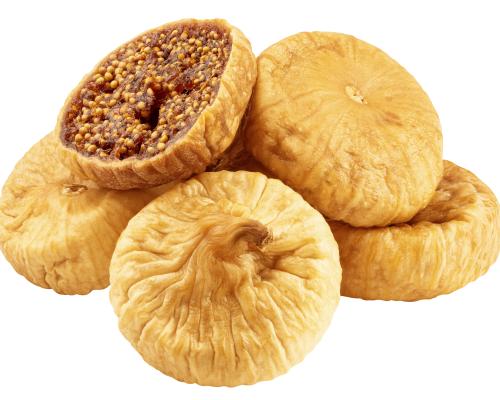
The fruits of Boukniá are mostly consumed fresh and more rarely processed into jam or dried. For drying, the figs are spread out on special trays or wicker baskets and exposed to the sun for about 10 days, usually covered with tulle for protection. This process removes moisture and imparts the characteristic elasticity and firmness of the dried fig, while preserving its natural sweetness.
The preservation of the local Bouknia Samos variety has a significant impact on the conservation of biodiversity and, secondarily, on the island’s rural economy. The economic impact comes from the production of fresh figs for the local market during the summer months, as well as from the production of dried figs. This production supplements agricultural income, especially for cottage industries and small producers.
In terms of biodiversity and landscape conservation, the fig tree is an integral element of the Samiot orchard and rural landscape. Preserving the Bouknia variety ensures the genetic identity and adaptability of crops to local conditions. Furthermore, the fig is a product that enhances the island’s tourism identity, offering visitors an authentic gastronomic experience and contributing to the promotion of local products.
The fig tree (Ficus carica) is one of the oldest cultivated trees in the world, and its presence on the island of Samos, as part of the Mediterranean flora, is deeply rooted in the region’s history. In ancient Greece, figs (known as “ischadia” when dried) had great nutritional and cultural value, and Samos, as an island of the Eastern Aegean, has always had close ties to agricultural production and trade.
The Bouknes or Arkounes variety represents the genetic heritage of Samiot agriculture. The preservation of such local varieties is the result of farmers’ selection over the centuries, who safeguarded them for their adaptability, their taste and their suitability for fresh consumption. The fig tree was not merely a commercial product, but a tree found in every yard and orchard, providing shade, food and raw material for sweets, thus linking the present with the rural traditions of the ancestors.
The fig tree in Samos, as in many Aegean islands, is associated with the summer and autumn harvest, which has traditionally been a communal or family activity. The harvest and the process of sun-drying is a traditional custom that marks the end of summer. Dried figs were traditionally stored as an energy reserve for the winter, especially during periods of fasting or in difficult times.
An informal custom is the offering of fresh or dried figs to visitors, as a sign of hospitality and as a characteristic delicacy of the Samian table. The sweetness of the fig, combined with nuts, often constituted the traditional “sweet” or “vitamin” of the farmers during the hard work in the fields.