Chios Mandarin
The Chios Mandarin (Mandarini Chiou) is a unique agricultural product, which has been recognized as a Protected Geographical Indication (PGI), thanks to its distinctive intense aroma and excellent flavor, which are due to the island’s particular microclimate and traditional cultivation practices. It belongs to the species Citrus deliciosa tenore and the variety “Common Chian” (or Common Mediterranean), and its cultivation is historically and culturally linked to the region of Kampos on the island of Chios.
The product bears the official name “Chios Mandarin” (Mandarini Chiou) and is registered as a Protected Geographical Indication (PGI). This recognition certifies the link between the quality and reputation of the mandarin and the specific geographical area.
The basic specifications, as defined in the PGI dossier, set out the following characteristics of the fruit:
- Variety: Common Chian (Common Mediterranean) of the species Citrus deliciosa tenore.
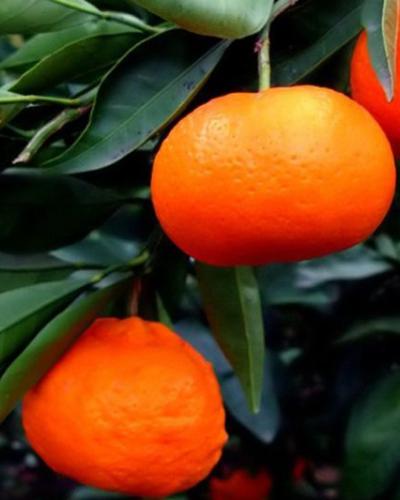
- Shape: Flattened spherical shape.
- Weight: Ranges between 60 and 150 grams.
- Size: Diameter 55–70 mm.
- Peel: Has a thickness of 1.5–3.5 mm and separates easily from the flesh (easy peeling).
- Organoleptic Characteristics: It is characterized by an orange-yellow color, tender, tasty, slightly orange flesh, with an intense aroma and a relatively coarse membrane. Its reputation is mainly due to the unique fragrance imparted by the essential oils, whose principal component is d-Limonene, followed by γ-Terpinene.
- Chemical Characteristics: Juice content ranges from 33–45%, sugar content (Brix) is greater than 9.0, acidity is between 0.7–1.75%, while the maturity index (Brix/Acidity ratio) ranges between 5.4 and 15.
The delimited geographical area of production of “Mandarini Chiou” includes the islands of Chios, Psara and Oinousses, with the main production concentrated in the Kambos of Chios. Kambos is a fertile plain, south of the town of Chios and along the eastern coast, which constitutes a unique historic site and traditional settlement. Citrus fruits are cultivated within high stone walls, made from the local Thymianoussa stone, which protect the mandarin trees from strong winds and maintain an ideal microclimate.
The soil and climate environment of Kambos is decisive for the particular characteristics of the fruit. The soils are mainly clay-loam, rich in total and active calcium (CaCO3), factors that are favorable for cultivation. The climate is characterized by the presence of annual winds (meltemia), which enhance thermal stability, contributing to the mildness of the climate and generally protecting the fruits from frost, while also acting as “cloud dispersers” that ensure abundant sunshine. The interaction of soil, climatic and anthropogenic factors (such as traditional irrigation) composes the unique terroir that gives the Chios mandarin its distinctive aroma.
The cultivation method of the Chios mandarin is based on traditional practices, which have been adapted to the particularities of Kambos.
The cultivation of the mandarin tree, which is sensitive to low temperatures, benefits from the protection provided by the high stone walls of the orchards, which mitigate the impact of winds and frost. Historically, irrigation of the trees was carried out through a traditional system using watermills powered by animals (donkeys) to draw water from the cisterns, an image that now constitutes cultural heritage. The specific stages of production that must be carried out within the delimited geographical area (Chios, Psara, Oinousses) include cultivation, production, harvesting, sorting and grading of the fruit.
The harvesting season traditionally falls between November and January. Timely harvesting is critical, as the low temperatures of December (close to 0°C) and heavy rainfall can destroy the delicate fruit. Growers aim to complete the harvest before the onset of the adverse winter weather conditions. After harvesting, the mandarins are sorted and graded. Historically, the fruit was so valuable that it was wrapped individually in paper bearing the producer’s emblem to protect it during transport to international markets. Modern processing includes the production of juices, marmalades, spoon sweets, and the extraction of essential oils from the whole fruit or exclusively from the peel, by mechanical means.
The Chios Mandarin has a profound and enduring economic and cultural impact on the island, especially in the area of Kampos, which is inextricably linked to its cultivation.
Economic and Commercial Significance: The cultivation of citrus fruits, and especially mandarin, has historically been a source of wealth for Chios. In the late 19th and early 20th centuries, the Chios mandarin flourished, exporting its fruits individually wrapped in paper to markets in Europe (Czechoslovakia, Bulgaria, Romania, Serbia, Poland) and the East (Odessa, Smyrna, Constantinople, Trieste). The intense commercial activity of Chian merchants spread the product’s reputation and contributed to the development of the local economy. Today, recognition as a PGI strengthens the product’s unique identity, creating momentum for the promotion of fresh fruit and processed products (juices, sweets, essential oils) both within Greece and abroad.
Cultural and Environmental Impact: The cultivation of the mandarin is the driving force behind the creation of Kampos of Chios, a unique landscape that has been designated a “historic site” and “traditional settlement” by the Ministry of Culture. The imposing stone mansions, the high stone walls, the traditional irrigation systems with cisterns and mangania (watermills), all constitute a unique example of the harmonious coexistence of residence, agriculture, and culture. The reputation of the mandarin’s fragrance has made Chios known as “Myrovolos Chios” (“Fragrant Chios”), with the scent spreading from the mandarin groves, thus forming an important element of the island’s cultural and touristic identity.
The history of the mandarin tree in Chios is believed to have begun with the Genoese conquerors (1348–1566), who likely brought the first citrus fruits to the island from Asia, although historical documentation for the initial introduction remains unclear.
Organized cultivation, however, and the commercial flourishing of the Common Chian Mandarin (after the destruction of 1822) was established mainly after 1850, when this variety from Asia became dominant in the orchards of Kambos, partially replacing the lemon groves that had been afflicted by the disease “dieback.” The distinctive reputation of the Chian mandarin—known for its easy peeling, high sweetness and intense aroma—led to extensive export trade in the late 19th and early 20th centuries. The wealthy families of Chios invested in Kambos, building their famous mansions within orchards surrounded by high walls, so that the fruit would be protected from wind and cold.
The customs and traditions surrounding the Chios Mandarin are closely linked with Kambos and the cycle of cultivation.
Traditional life in Kambos revolved around the orchard, with the owners of the mansions overseeing the cultivation. The need for irrigation created the tradition of using “manganopigada” (or watermills), which are now monuments of agricultural engineering and cultural heritage, and which gave life to the mandarin trees. A custom during the heyday of the trade was the individual wrapping of each mandarin in thin paper bearing the estate’s emblem, highlighting the luxury and value of the fruit. Today, the cultivation of mandarins and the beauty of Kambos are promoted through cultural activities and events aimed at showcasing its unique heritage. The mandarin is also a key ingredient in local sweets and liqueurs, especially during the holidays, and is an integral part of the winter table.
The “Chios Mandarin” holds as its principal distinction its recognition as a Protected Geographical Indication (PGI) by the European Union (Commission Implementing Regulation (EU) No 1176/2012), which constitutes the highest official distinction for its quality and its connection to the region.