Eresos Figs
Eresos Figs are among the most characteristic agricultural products of Lesvos, with a particular reputation accompanying the dried figs that come from the fertile plain of Kambos of Eresos. The fig tree (Ficus carica) thrives in the area, making use of the local soil and climatic conditions, resulting in the production of high-quality fruit. The cultivation, often traditional and in many cases organic, is inextricably linked with the history and culture of the island, forming part of its dietary heritage. The figs are consumed both fresh, during the harvest period, and dried, with the traditional method of natural sun-drying preserving their flavor and nutritional components.
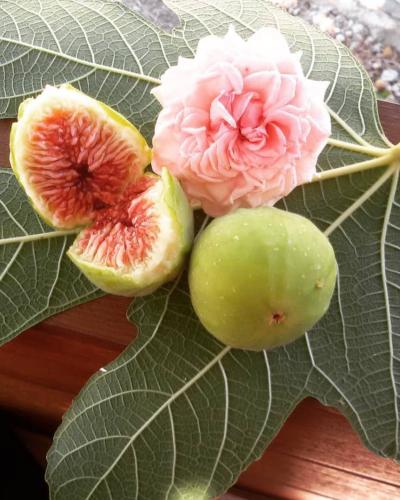
Eresos Figs are primarily known for their large, thick-skinned figs, often referred to as “politika” figs or “Aidinia.” The variety Aidinia (possibly Ficus carica L. 'Aidin') in particular is said to thrive exceptionally well in Eresos due to the special conditions, with its origin traced back to the Aydin region of Asia Minor, something that points to historical ties and the transfer of varieties.
The production area of Eresos Figs is the Kambos of Eresos in Western Lesvos. Lesvos is the third largest island in Greece, with the area of Eresos characterized by fertile soil and mild climatic conditions, with plenty of sunshine. The climate is Mediterranean, with hot and dry summers, ideal for the ripening and natural drying of figs. The specific composition of the soil and the local climatic variations, combined with the selected Aidinia variety, contribute to shaping the special organoleptic characteristics of the fruit.
The cultivation of fig trees in Eresos largely follows traditional and often organic practices, without the extensive use of chemical fertilizers or pesticides, thanks to the suitability of the soil and climatic conditions.
Soil and Climatic Requirements and Techniques
The fig tree in Eresos thrives in strong, dry soils. The required cultivation work is intensive and includes defoliation, thinning of the fruit and, above all, strict pruning – a traditional practice expressed by the phrase that “the fig tree needs a crazy pruner” in order to yield abundant, high‑quality fruit. Pruning aims at maintaining the shape of the tree and enhancing fruiting. Pollination (a process called “erinos” or “gonima”) is necessary for certain varieties, although there is no specific information on whether it is applied systematically in Eresos.
Harvesting and Processing (Drying)
Harvesting takes place in the summer, when the figs have fully ripened. The traditional processing method is natural sun‑drying.
- Selection: The best‑quality figs are selected.
- Drying: The figs are spread out and dried by natural methods, exposed to the sun, a process that concentrates their flavor and sugars.
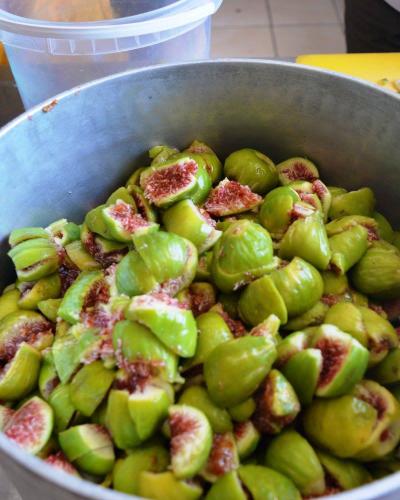
- Traditional Disinfestation/Processing: After drying, the traditional disinfestation method follows, during which the figs are scalded in boiling water in a cauldron heated by a wood fire. This process ensures the preservation and hygiene of the final product.
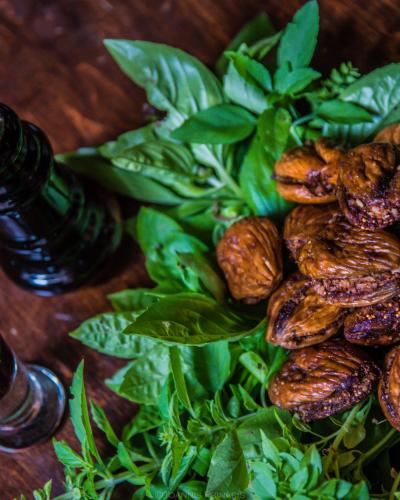
- Aromatization/Standardization: Then, traditional recipes include singeing the dried figs in aromatic leaves, such as basil and bay, to impart a distinctive aroma before packaging. Some producers stuff the figs with local walnuts pounded in a mortar, sesame, and aromatic spices to create an enriched product.
Fig cultivation in Eresos, although on a smaller scale compared to olive oil production, maintains significant economic and cultural value for the local community. The production of high-quality, often organic, dried figs adds a comparative advantage to the agri-food sector of Western Lesvos. Traditional cultivation and processing methods preserve local know-how and safeguard biodiversity (such as the Aidinia variety). The standardization and marketing of figs, especially by small cottage industries, strengthen the local economy and promote the area as a producer of distinctive products.
Eresos, the birthplace of the great lyric poet Sappho (7th–6th c. BC) and the philosopher Theophrastus (4th c. BC), the Father of Botany, has a long-standing history. Figs were one of the important commercial products of Eresos as early as the 6th century BC, along with cereals (especially barley), sesame, and grapes. The seafaring city of Eresos traded its products with Troy, the Hellespont, and as far as distant Egypt, a fact that highlights the historical importance of fig cultivation for its economic prosperity. The preservation of cultivation and traditional processing methods constitutes a living part of this rural heritage.
The harvesting and processing of figs have traditionally been integral parts of the agricultural cycle of Eresos and the wider Lesvos region. Natural sun-drying and the technique of scalding in a cauldron over a wood fire are practices that have been passed down from generation to generation, forming part of the island’s cottage industry tradition. On Lesvos, local fig festivals are also organized (e.g., in Ippeios), where traditional fig-based recipes, such as fig pies and sweets, are presented and tasted.