figs of Lemnos
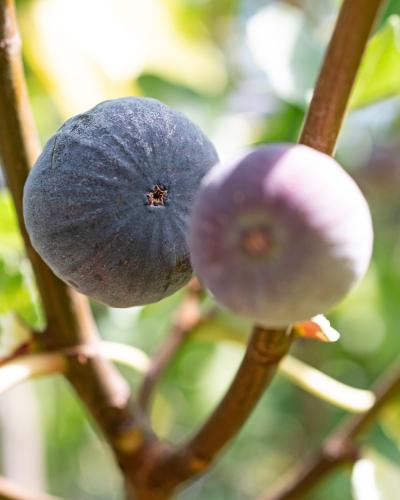
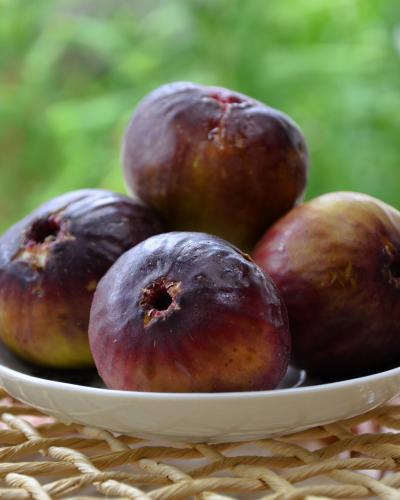
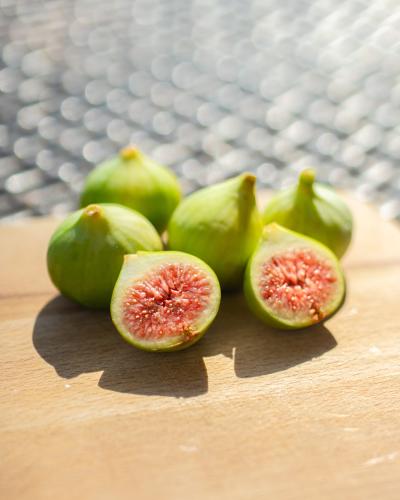
The figs of Lemnos, both in their fresh and dried forms, constitute an important source of nutritional value for the local community. The fig tree (Ficus carica) thrives in a Mediterranean climate, and its cultivation has a long history in Greece, where figs have been a staple food since antiquity. In Lemnos, fig production is recognized as a quality product, with interest in further standardization and utilization of traditional processing methods.
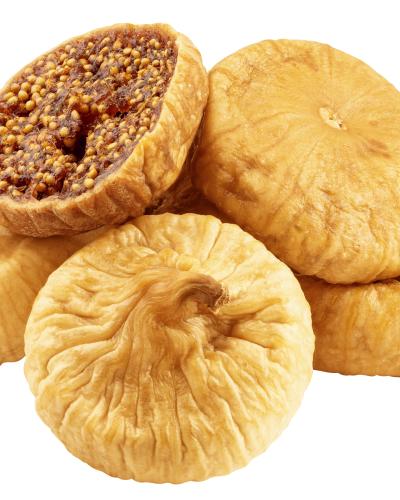
The product consists of the fruits of the fig tree, known as figs (fresh and dried), without any officially designated synonym or name variation that is exclusively associated with Lemnos. The uniqueness of the figs of Lemnos, given that there are no officially recorded local varieties comparable to those of other regions, lies mainly in the island’s soil and climatic conditions. Lemnos has a distinctive volcanic soil which, in combination with its dry and hot climate, can confer specific organoleptic characteristics on the figs, such as pronounced sweetness and a characteristic texture, especially in the dried fruit.
Fig cultivation in Lemnos is found mainly in areas with clay or sandy-clay soils that have good drainage, although the fig tree is hardy and can also grow in poorer, dry soils, which are abundant on the island. Lemnos is characterized by hot and dry summers and mild winters, conditions that favor the rich accumulation of sugars in the fruit. The dry and warm environment is particularly favorable for the natural drying of figs, allowing the development of the sweetness and characteristic flavor sought in dried figs.
The method of fig cultivation in Lemnos follows the traditional practices of Mediterranean arboriculture, with an emphasis on rainfed cultivation, taking advantage of the hardiness of the tree.
- Soil and Climatic Requirements: The fig tree is drought-tolerant and thrives in soils of moderate fertility. In Lemnos, emphasis is placed on the natural conditions that allow the production of fruits with a high sugar content.
- Seasonality & Harvesting: The main figs ripen during the months of August and September. Harvesting is traditionally done by hand, when the fruit is fully ripe and has begun to shrivel on the tree, ensuring maximum sweetness.
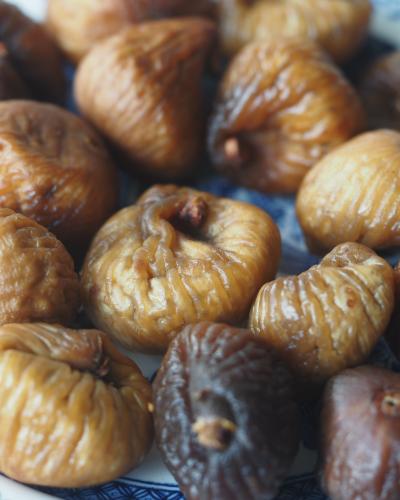
- Traditional Processing (Drying): Traditional processing for dried figs is the critical stage.
- Opening: The harvested figs are carefully opened in the middle by hand or with scissors.
- Sun Exposure: They are placed on special trays or mats and exposed to the sun for natural drying, a process that lasts several days. The sun of Lemnos contributes to slow and complete dehydration.
- Formation of “Askada”: In traditional regions, the dried figs are pressed together in pairs, creating the so‑called “askada” or “sykoto,” a practice that ensures preservation and an attractive presentation.
- Packaging & Storage: After drying, the figs are stored in a shaded and dry place.
The cultivation and processing of figs, although secondary, has a positive impact on Lemnos. It contributes to biodiversity and to the preservation of the island’s rural landscape. It provides supplementary income to farmers, strengthening the multifunctionality of their holdings. In addition, dried figs, as a standardized product, can be used to promote local gastronomy and agritourism, offering visitors a traditional delicacy of high quality.
The fig tree is inextricably linked with the history of Greece and the Mediterranean, with references dating back to antiquity. Figs were a staple of the diet of the ancient Greeks. In Lemnos, where agriculture has always been the main pillar of the economy, the fig tree was cultivated to meet the family’s needs for a sweet and nutritious food, especially during the winter months through drying. The use of fig wood and the therapeutic properties of its fruit, as mentioned by Dioscorides and Galen, form part of the broader cultural heritage that is also embedded in the local production of Lemnos.
In Lemnos, as in other islands, the harvesting and preparation of dried figs constituted an annual ritual that marked the end of summer. Dried figs were traditionally used as a sweet treat offered to guests at festivities and as an energy snack for farmers and sailors. The practice of natural sun-drying, which requires care and patience, is an old technique that is preserved in small family units on the island.
Figs, especially dried ones, are an extremely nutrient-dense food due to the absence of water. They have triple the nutritional value and calories of fresh figs.
Figs, especially dried ones, are an extremely nutrient-dense food due to the absence of water. They have triple the nutritional value and calories of fresh figs.