Flour - grain "Limnos"
The local durum wheat variety “Lemnos,” from which the flour of the same name is produced, is one of the most recognizable and historically significant agricultural products of the island of Lemnos. It is an old Greek variety of durum wheat, known for its excellent quality characteristics, such as high protein content and good gluten quality, which make it ideal for the production of traditional pasta and bread with a distinctive taste and aroma. Its revival, after a period of abandonment, contributed significantly to strengthening the agricultural identity of the island and to the production of single-variety flours of high added value, often stone-milled.
Flour from the “Lemnos” variety comes from the local durum wheat variety of the same name (Triticum durum L.). This variety, which is also referred to as G-5770 in agricultural texts, is the oldest Greek variety of durum wheat, with its first introduction into seed production dating back to 1932, originating from selection of the Asprostachys type. Its main characteristics include a white, dense ear with white awns and a large, white kernel, while the stem is of medium height. The uniqueness of the flour is due to the full-bodied taste and rich aromas imparted by this specific variety, as well as to the quality characteristics of the grain, such as high vitreousness (kernels with a glassy appearance), high protein content (approximately 13.7%–14.5%) and high gluten content (approximately 28%), features that ensure excellent dough quality.
PDO/PGI status
The added value of the product is based on its certified agricultural identity (based on DNA and isotopic fingerprinting) and its local origin.
The flour is produced from wheat of the “Lemnos” variety, which is cultivated on the island of Lemnos, an island in the northeastern Aegean with a centuries-long tradition in cereals (an ancient reference by Aristotle to the wheat of Lemnos) and in bread-making. Lemnos is renowned for its fertile soils and its extensive lowland areas, a fact that has traditionally made it one of Greece’s foremost granaries. The island’s dry, thermic climate, characterized by hot, dry summers and mild winters, combined with its clay–sandy clay soils, helps shape the unique quality profile of the “Lemnos” durum wheat, enhancing characteristics related to the grain’s vitreous state and its protein content. Cultivation is focused mainly in the fertile plains, such as those of Moudros and Kaminia, often through contract farming schemes, ensuring local origin and certification.
The cultivation of the “Lemnos” durum wheat variety follows traditional and modern rational practices, adapted to the island’s soil and climate conditions, with an emphasis on grain quality.
Cultivation Practices
Sowing of the durum wheat usually takes place in autumn, in order to take advantage of the autumn and winter rains, as it is a rainfed crop. Particular importance is given to crop rotation, a practice in which fields are chosen that in the previous season had been cultivated with legumes (such as Lemnos pulses, e.g. fava beans or chickpeas). This is a traditional practice aimed at naturally enriching the soil with nitrogen, reducing the need for chemical fertilizers and improving soil fertility and structure. Rational fertilization, based on soil analyses, is applied to ensure proper nutrition, which is critical for achieving high levels of protein and vitreousness.
Harvesting and Processing
Harvesting takes place in summer, usually in June or July, when the grain has reached optimal ripeness and moisture. After harvesting, the grain is cleaned and stored under suitable conditions. Milling is the critical stage. Some local producers choose traditional stone milling (as in windmills or modern stone mills), a method that has the advantage of grinding 100% of the grain (endosperm, germ, bran) and keeping the temperature low during milling, thereby preventing the loss of the germ’s valuable nutrients and aromas. The final product is often yellow type M (semi-wholemeal) or wholemeal flour, without preservatives, improvers, or other additives.
By-products
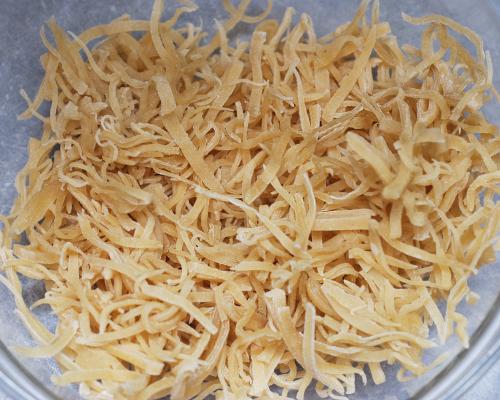
The main by-product of “Limnos” durum wheat is semolina, as yellow type M flour contains all the semolina fractions. Other products include dehulled wheat (for salads or cooking), while the flour is used as a raw material for the production of Limnos’s renowned traditional pasta, such as flomaria.
The revival of the cultivation of the local wheat variety “Lemnos” has had multiple economic, social and environmental impacts on the island. Economically, it has created a product of high added value (single-variety flour, pasta), which strengthens the local economy and farmers’ income, in contrast to common wheat varieties with a lower price. The implementation of contract farming ensures production stability and fair remuneration for the collaborating local producers. Socially, the reintroduction of a historic variety reinforces local identity and the connection with agricultural heritage, while origin certification (agro-identity) promotes Lemnos as a place of production of unique, quality products. In addition, the cultivation of this variety, in combination with crop rotation (with legumes), contributes to the sustainable management of agricultural land and the protection of the island’s biodiversity.
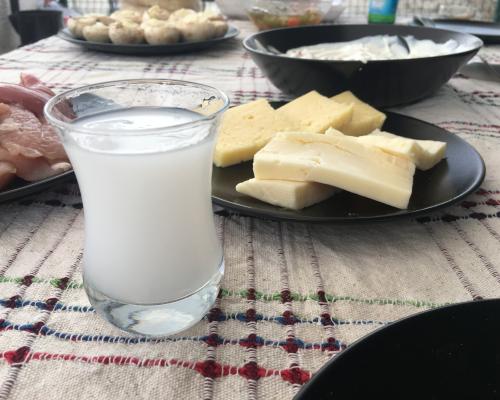
Lemnos’ relationship with cereals is deeply rooted in its history. The island was known since antiquity as the granary of the Aegean, with references by Aristotle mentioning the quality of Lemnian wheat. The “Lemnos” variety represents the survival of this age-old tradition. Its cultivation was universal until the last few decades, when the higher yields of improved varieties gradually led to its abandonment. The revival of its cultivation, which began around 2012 with the acquisition of a small quantity of seed from the Cereal Institute, constitutes an act of cultural preservation and promotion of the island’s intangible cultural heritage. The tradition of baking in Lemnos, using this hard flour to make “kliki” (a hard, low cheese bread) or traditional leavened bread, is directly linked to this variety and its distinctive flavor profile.
The customs surrounding wheat in Lemnos are inextricably linked to the agricultural cycle and religious life. Harvesting and reaping have always constituted major social events, while the blessed seed held symbolic significance for fertility and survival. Traditionally, housewives “started” their sourdough every year on the Day of the Cross (14 September), using local flour, and preserved it as a living heritage. Lemnos flour is also central to wedding and baptism customs, where special breads and sweets are prepared. Finally, traditional milling in a windmill (before mechanisation) constitutes a classic landscape and a practice which, although modernised, has preserved the millstone technique for producing quality flour.
The qualitative revival of the “Lemnos” variety and the production of the flour of the same name has received significant distinctions, mainly in taste and quality competitions, confirming its qualitative characteristics:
- Taste Olymp Awards 2018:
- Distinction: Gold Medal
- Category: Unknown (possibly “Flour” or “Food”)
- Organisation/Year: Taste Olymp Awards, 2018
It is rich in complex carbohydrates, which provide stable and sustained energy. Its protein content is particularly high for wheat flour, ranging, according to harvest analyses, between 13.7% and 14.5%, which makes it ideal for the production of bread and pasta with good structure and shelf life. It also contains a significant amount of dietary fiber, especially in the case of wholemeal flour, which contributes to the health of the digestive system and to the reduction of “bad” cholesterol.
Bioactive Compounds & Micronutrients
The retention of the germ in stone-milled flour ensures the presence of valuable nutrients. Durum wheat, especially in its whole form, is a source of:
- B-complex vitamins (e.g., B1, B2, B3), important for the functioning of the nervous system.
- Minerals and trace elements (e.g., magnesium, iron, zinc).
- Antioxidants and phenolic compounds, which are associated with antioxidant, anticancer, and cardioprotective effects.
It is rich in complex carbohydrates, which provide stable and sustained energy. Its protein content is particularly high for wheat flour, ranging, according to harvest analyses, between 13.7% and 14.5%, which makes it ideal for the production of bread and pasta with good structure and shelf life. It also contains a significant amount of dietary fiber, especially in the case of wholemeal flour, which contributes to the health of the digestive system and to the reduction of “bad” cholesterol.
Bioactive Compounds & Micronutrients
The retention of the germ in stone-milled flour ensures the presence of valuable nutrients. Durum wheat, especially in its whole form, is a source of:
- B-complex vitamins (e.g., B1, B2, B3), important for the functioning of the nervous system.
- Minerals and trace elements (e.g., magnesium, iron, zinc).
- Antioxidants and phenolic compounds, which are associated with antioxidant, anticancer, and cardioprotective effects.