Lobster
Lobster is one of the most recognizable and commercially important catches of the island complex of Fournoi Korseon, to which Thymaina belongs. Thymaina, although a small island, participates actively in the fishing activity of the area, which is widely known for its rich fish market and the high quality of its seafood. Lobster, in particular, is considered “the king” of the region’s catches, highlighting the great biodiversity and the cleanliness of the waters of the North Aegean. Lobster fishing in Thymaina is governed by traditional methods, often on a small scale, which contributes to the preservation of stocks and the provision of a product of exceptional gastronomic value.
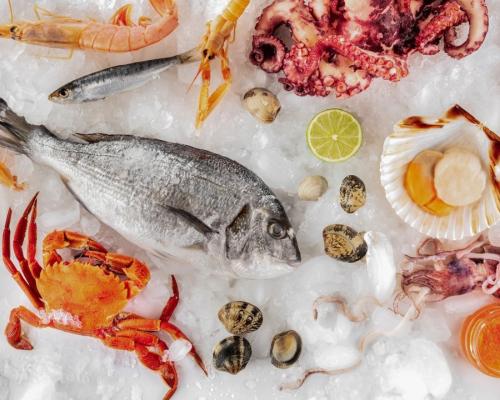
The main species caught in the area of Thymaina and Fournoi is the European lobster (Homarus gammarus) and, more frequently, the spiny lobster or crawfish (Palinurus elephas), which belongs to the family of crustaceans and is often referred to in Greece as “lobster” due to its high commercial value and similar gastronomic use. The lobsters of the area are renowned for the quality of their meat, which is attributed to the clean, rocky waters and their diet.
Thymaina is a small island belonging to the Fournoi Korseon complex, which is located between Ikaria and Samos. The geographical position of the area is crucial for its fishing production. The waters are deep and clear, with pronounced rocky, underwater reliefs and rich marine vegetation, creating ideal habitats for lobsters and spiny lobsters, which prefer rocky shelters and caves. The area is renowned for the balanced state of its fish stocks, a fact attributed to a combination of traditional practices and its natural isolation.
Lobster fishing in Thymaina and Fournoi is carried out almost exclusively by small fishing vessels and with the use of traditional, selective methods, which minimize the impact on the marine environment and ensure the capture of high-quality specimens.
- Fishing Method: The basic method is the use of lobster pots and/or static lobster nets (trawls). The lobster pots are placed on rocky seabeds at varying depths, allowing for the selective harvesting of the animals. These practices are largely traditional and are passed down by the local fishermen.
- Fishing Season: Lobster fishing is governed by strict regulations (national and European) for the protection of stocks. Specifically, fishing is prohibited during the breeding season (from September 1st to December 31st), and a minimum catch size is established.
- Processing/Standardization: The Thymaina lobster is usually sold live or whole, fresh to local restaurants, or is shipped directly to the markets of Ikaria, Samos, and Athens. Local processing is limited to proper maintenance while alive (in special tanks with seawater) until its sale, in order to preserve its excellent quality.
Lobster fishing has a pivotal economic and social impact on Thymaina and the Fourni complex. Fishing activity is the dominant source of income for the inhabitants. Lobster, as a product of high commercial value, secures significant revenue for local fishermen, contributing to the economic sustainability of the small island and preventing population decline. At the same time, the lobster’s reputation attracts quality tourism interested in gastronomy and authentic seafood.
Thymaina and Fourni have a deeply rooted maritime and fishing history. Historically, the inhabitants of the complex were engaged almost exclusively with the sea. Lobster fishing, although a luxury delicacy today, was part of the fishermen’s traditional diet. Knowledge of lobster grounds (areas where lobsters are commonly found), the techniques of setting traps, and adherence to breeding seasons constitute an integral part of the island’s intangible cultural heritage of seafarers, passed down empirically from generation to generation.
In Thymaina and Fourni, customs revolve around the sea and the fishing cycle. Lobster fishing, although hard work, is accompanied by beliefs about a good catch and respect for the sea. Traditionally, the first good lobster catches were celebrated with a communal table on the beach or at the harbor, where fish and shellfish were cooked in a simple, traditional way.