Oregano “Arethousa”
Oregano “Arethousa” is an exceptional aromatic and medicinal plant (MAP) originating from Ikaria and constitutes the first officially registered Greek oregano variety in the National Catalogue of Cultivated Plant Species of the Hellenic Ministry of Rural Development and Food (MRDF). Oregano (Origanum vulgare ssp. hirtum) holds a prominent place in Ikarian nutrition and folk medicine, contributing to the island’s reputation as a Blue Zone, that is, a region with exceptionally high longevity rates. “Arethousa” comes from a wild population identified in the area of Arethousa in Ikaria, is distinguished by its high essential oil and carvacrol content, and is now the subject of scientific research and commercial exploitation by the Agricultural University of Athens (AUA).
Oregano “Arethousa” is identified as a biotype of Greek oregano (Origanum vulgare ssp. hirtum), which was located, isolated, and scientifically evaluated in terms of its qualitative and quantitative characteristics. The name “Arethousa” derives from the area of Ikaria where the original, mother population was found.
PDO/PGI Status & Official Registration:
- Official Registration: “Arethousa” was registered in 2021 as the first Greek variety of Medicinal and Aromatic Plants in the Greek National Catalogue of Cultivated Plant Species, following many years of research by the Agricultural University of Athens. This registration certifies its identity and stable quality characteristics.
Basic Specifications and Quality Characteristics: The variety has stable yield and particularly high quality traits, even when cultivated in different environments:
- Essential Oil Yield: High, with average values ranging from 7.5% to 8.5%, while under experimental conditions it has reached as high as 12%. This percentage is exceptionally high compared to the average common oregano.
- Carvacrol Content: Very high percentage content, approximately 85% to 89% of the total essential oil. Carvacrol is the main bioactive compound responsible for the strong antioxidant and antimicrobial properties of oregano.
Ikaria, the island of origin of “Arethousa,” is characterized by challenging environmental and soil‑climatic conditions, which however are favorable for the development of high‑quality aromatic plants. The calcareous soils, the mountainous and semi‑mountainous areas with good drainage, and the dry, hot climate with intense sunshine promote the accumulation of secondary metabolites (such as carvacrol) in the plants, thereby enhancing their aroma and medicinal action. The area of Arethousa, from which the variety originates, belongs geographically to the Municipality of Evdilos.
The production of oregano in Ikaria, even in the modern cultivations of “Arethousa,” follows practices adapted to the island’s dry conditions and to the need to preserve its high quality.
- Cultivation (Soil‑climatic Requirements): Oregano is a dryland plant that grows well in dry, well‑drained soils. The “Arethousa” variety has shown high adaptability to harsh environmental conditions and resistance to drought, characteristics it inherited from its wild, maternal population.
- Harvesting: The collection takes place at full flowering of the plants, usually in summer (June – July), when the concentration of essential oils is at its peak. In Ikaria, harvesting is often done by hand or with sickles in small plots.
- Drying: The traditional method of natural drying is followed, in shaded and well‑ventilated areas, so as to preserve the organoleptic characteristics and the high essential‑oil content. Avoiding direct solar radiation during drying is critical for preserving the volatile compounds.
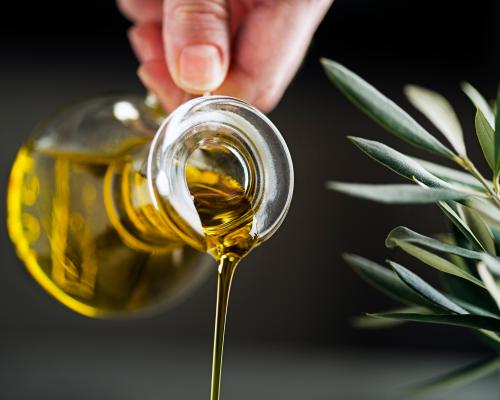
- By‑products: The main by‑product is oregano oil, the essential oil extracted from the oregano drug (dried herb), which in the case of “Arethousa” has high commercial and pharmaceutical value due to its high carvacrol content.
The registration and cultivation of “Arethousa” oregano has a significant developmental and economic impact on Ikaria. It offers local producers the opportunity to engage in a crop with high added value, strengthening the agricultural economy. At the same time, the scientific certification of a local product enhances Ikaria’s reputation as a place that produces unique, high-quality products directly linked to the philosophy of longevity and healthy eating, reinforcing quality tourism.
The use of oregano in Ikaria is ancient. The plant grows wild in abundance on the island and has always been a basic component of the daily diet and folk pharmacopoeia of the Ikarians. Oregano, together with other local herbs, is associated with the island’s traditional frugal diet and is considered one of the natural factors that contribute to the longevity of the population. The gathering of wild oregano, as well as its use as a food preservative and medicinal infusion, form part of the island’s intangible cultural heritage.
In Ikaria, oregano is traditionally collected during the flowering period, mainly in July, and is hung in bunches in shaded parts of the houses (verandas) to dry. This practice is not only a technical process, but also a social custom, as the gathering is often carried out collectively by families or communities. Oregano is also used in infusions offered as a “home remedy” for colds, coughs and indigestion, constituting a basic element of the island’s household medicine cabinet.
“Arethousa” oregano, as a scientifically recognized variety, has received the highest national certification in the field of MAPs.
- Registration in the National Catalogue (Ministry of Rural Development and Food): First Greek variety of medicinal and aromatic plants registered in the National Catalogue of Cultivated Plant Species (year 2021). This registration constitutes the most important recognition of the identity and stability of the variety’s characteristics.
- European Procedure: The variety is in the process of obtaining plant variety rights from the Community Plant Variety Office (CPVO), a procedure that will grant it intellectual property protection at the European level (Source: Agricultural University of Athens, 2023–2025).
Oregano, and especially “Arethousa” due to its high quality, is not only a flavoring herb, but also a source of bioactive compounds with strong medicinal properties, which have been linked to the longevity of the Ikarians.
- Carvacrol: The principal bioactive compound of “Arethousa” (85%–89%). It is a powerful antimicrobial, antibacterial and antifungal substance. Research also associates it with antiviral and anticancer properties.
- Thymol: Another important component of the essential oil, which enhances the antiseptic and antioxidant action.
- Antioxidants: Oregano is extremely rich in antioxidant substances (flavonoids, phenolic compounds), which combat free radicals, protecting against chronic diseases and slowing down aging.
- Macronutrients: Oregano contains dietary fiber and is a source of vitamins (C, E, K, A) and minerals (Manganese, Iron, Calcium), although it is consumed in small quantities as a seasoning or infusion.
Oregano, and especially “Arethousa” due to its high quality, is not only a flavoring herb, but also a source of bioactive compounds with strong medicinal properties, which have been linked to the longevity of the Ikarians.
- Carvacrol: The principal bioactive compound of “Arethousa” (85%–89%). It is a powerful antimicrobial, antibacterial and antifungal substance. Research also associates it with antiviral and anticancer properties.
- Thymol: Another important component of the essential oil, which enhances the antiseptic and antioxidant action.
- Antioxidants: Oregano is extremely rich in antioxidant substances (flavonoids, phenolic compounds), which combat free radicals, protecting against chronic diseases and slowing down aging.
- Macronutrients: Oregano contains dietary fiber and is a source of vitamins (C, E, K, A) and minerals (Manganese, Iron, Calcium), although it is consumed in small quantities as a seasoning or infusion.