Samsades
Samsades (or Samousades) are one of the most characteristic and beloved traditional syrup-soaked sweets of Lemnos. This confection belongs to the broader family of oriental pastries made with filo, nuts and syrup, yet it differs significantly from classic baklava due to its particular preparation technique and the use of local raw materials. Their distinctiveness lies in the rich filling of sesame and almonds (or walnuts, depending on the local variation), as well as in the way they are rolled and pleated, creating a crispy outer texture and a juicy, aromatic inner filling. This sweet is inextricably linked with celebrations, joyful occasions and the traditional treat of the island.
The uniqueness of Lemnian Samsades stems from the special recipe that showcases the local agricultural raw materials, mainly the renowned sesame and nuts of Lemnos.
- Identification, Synonyms, Variations: The most prevalent name in the Lemnian dialect is Samsades. The synonym Samousades is also widely used. Variations of the name exist in other regions of Greece and the East (e.g., Samousas), but the Lemnian recipe is distinguished by the use of sesame in the filling, the addition of cinnamon, clove and often mastic, as well as the characteristic technique of the pleated roll.
- Specifications: The typical recipe includes filo pastry (or special traditional pastry), cow’s milk butter (or sesame oil), almonds, sesame, sugar and spices, drizzled with syrup that usually contains honey and lemon.
As a traditional sweet, Samsades are associated with the entire geographical area of Lemnos. Their connection with the region is reinforced by the origin of the basic raw materials.
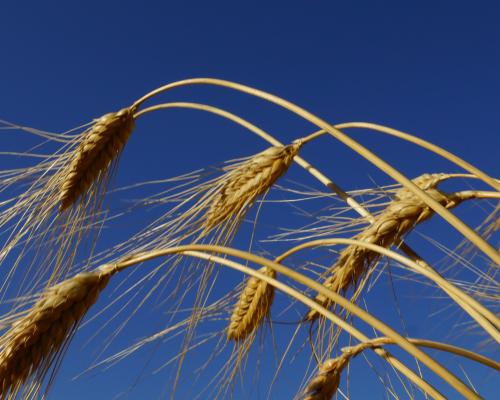
Lemnos, as the granary of the Aegean, produces the flour used for the pastry, as well as the sesame that is a key ingredient of the filling. The cultivation of sesame on Lemnos has a centuries-old history on the island’s volcanic, sandy soils. The quality of the local sesame, which is often harvested and shaken out in the traditional way, is considered superior and imparts to the filling a distinctive, intense aroma and flavor, setting Samsades apart from similar sweets of other regions.
The preparation of Samsades is a traditional, handmade process that requires skill, especially in handling the pastry and in rolling.
- Filling Preparation: The filling is the core of the dessert’s identity. The sesame seeds are lightly toasted and then mixed with ground almonds (or walnuts, depending on the family recipe), sugar, cinnamon, clove, and often grated mastic or rosewater/orange blossom water for additional aroma.
- Rolling/Handling the Phyllo: Although ready-made phyllo pastry is used in modern production, the traditional method required rolling out thin sheets from local flour. The sheets (usually three or more together) are spread out and carefully brushed with melted butter (or sesame oil/vegetable oil) to acquire their characteristic aroma and crispness.
- Rolling and Ruffling: The filling is spread along the edge of the buttered sheets and then rolled into a log. The critical stage is the ruffling of the roll, which is traditionally done using a thin rod or stick (as is also the case with kataifi). The rod is removed, leaving the phyllo deeply ruffled, giving the dessert its distinctive cylindrical and embossed form.
Baking and Syruping: The ruffled rolls are cut diagonally into pieces (about 3 cm wide) and baked at a moderate temperature (e.g. 180 °C or 200 °C and then 180 °C) until they are golden and crispy to the core. The hot dessert is immediately doused with cold syrup made from sugar, water, honey and lemon juice. The temperature difference and the structure of the ruffled phyllo all
Samsades have a significant cultural and local economic impact on Lemnos. They are one of the island’s top gastronomic souvenirs. Their production, both at a domestic and professional level by local pastry shops and cooperatives, contributes to the local processing of Lemnos’s agricultural products, such as wheat (for flour) and especially sesame. The preservation of the traditional recipe and technique reinforces the local gastronomic identity and serves as a magnet for visitors seeking authentic flavors.
The history of Samsades, like that of many syrupy sweets of the Aegean, dates back to the period of Ottoman rule or even to Byzantine times, forming part of the common gastronomic tradition of the Eastern Mediterranean. The name “Samsades” or “Samousades” probably derives from similar sweets found in wider regions (such as samosas of India/the Middle East, although these are often savory), indicating the influence of trade and cultural exchanges.
However, Lemnos managed to fully adopt and Hellenize the recipe, incorporating its local sesame and spices, making Samsades an integral part of refugee and island cuisine. Their preparation is associated with hospitality and the ritual of offering sweets during official visits, weddings, and baptisms, thus maintaining their status as one of the island’s historic sweets, along with Venizelika.
Samsades are traditionally a festive sweet associated with joy on Lemnos.
- Weddings and Baptisms: They are a staple treat at weddings and baptisms. They are often prepared in large quantities by the women of the family and the wider community, a custom that strengthens social bonds.
- Treat: They are the quintessential sweet offered as a welcome to official visitors or at celebrations such as Easter and Christmas, symbolizing abundance and the sweetness of life.
Samsades are an energy-dense syrupy dessert, with their nutritional value coming mainly from carbohydrates (sugars) and fats (butter/nuts).
Samsades are an energy-dense syrupy dessert, with their nutritional value coming mainly from carbohydrates (sugars) and fats (butter/nuts).