Sesame products
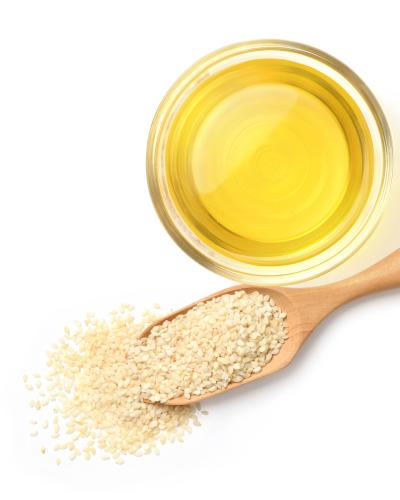
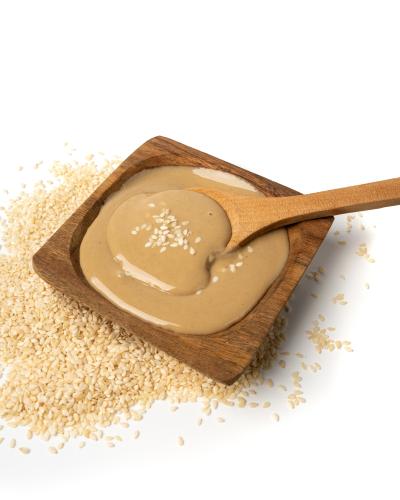
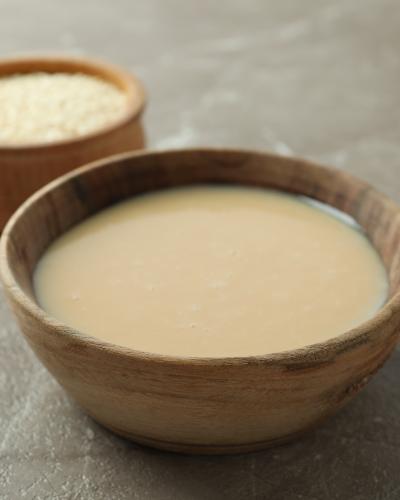
Sesame products, such as tahini (paste made from ground sesame seeds) and sesame oil (oil extracted from the seeds), are key components of the Mediterranean diet with deep historical roots. In Ikaria, the island that is globally known as one of the Blue Zones due to the longevity of its inhabitants, these products are incorporated within a traditional, plant-based diet that promotes good health. The cultivation of sesame in Greece has a long history, and although the cultivated areas were significantly reduced in the 20th century, there has been a renewed interest, particularly in organic farming and local varieties, such as the Ikaria variety, which is mentioned in recent research as particularly adaptable and resilient.
The main products derived from the sesame fruit (Sesamum indicum) are sesame seeds, tahini, and sesame oil. Tahini is essentially ground sesame seeds, while sesame oil is the vegetable oil extracted from them. The Ikarian sesame variety has been recognized for its resilience and adaptability to different soils and climates, a fact that highlights its genetic value and its connection with the place.
Sesame cultivation thrives in warm climates and in light sandy-loam soils with adequate moisture. In Ikaria, the local variety has developed and adapted to the island’s particular soil and climate conditions, which include hot and dry summers and soils that require careful preparation for sowing the small seed. Geographical isolation has contributed to the preservation of local, resilient seed populations, as in the case of the sesame variety originating from Ikaria.
Sesame cultivation in Ikaria follows traditional and organic practices, in keeping with the Blue Zone philosophy of pure products. Sesame is a dryland, annual plant that thrives in the high temperatures of the Aegean. Sowing takes place in spring in a well-prepared field. In organic cultivation, weed control is carried out mainly by hand or mechanically, practices that ensure quality without chemicals. The local variety is particularly adaptable and resilient.
The harvest traditionally takes place in autumn, cutting the plants before the capsules open, tying them into bundles for drying so that the seed will fall. The seeds are processed into sesame oil (often through cold pressing to preserve the nutrients) and tahini (roasted seeds ground into a smooth paste).
The re-cultivation and promotion of sesame products in Ikaria have a multiple positive impact, reinforcing the island’s image as a model of longevity and sustainable development. To begin with, the utilization of the local Ikaria variety contributes to the revitalization of the rural economy and the production of domestic products with high added value, reducing dependence on imports and supporting the idea that a healthy economy needs, beyond tourism, primary production as well. In addition, the cultivation and commercial use of the indigenous, adaptive variety ensures the preservation of the island’s genetic material and agricultural biodiversity.
Sesame (Sesamum indicum) is one of the oldest oilseed plants cultivated by humans, with references dating back to 3000 BC (or even 6000 BC in China). In ancient Greece it was known as “sesamon” and was widely used. Although there are no clear and official ancient references exclusively to sesame cultivation in Ikaria, the island, as part of the Aegean civilization, falls within the broader region of its use.
The cultural heritage of sesame in Greece is closely linked to the production of pasteli and halva, sweets that are found at festivals and during fasting periods. In Ikaria, the use of sesame is inextricably connected with the lifestyle of longevity (Blue Zone), where the daily diet is largely based on plant products, such as tahini. The recent highlighting of the Ikarian variety and its organic cultivation represent a modern continuation of the island’s agricultural tradition.
In Ikaria, as in the broader Greek tradition, sesame products are inextricably associated with fasting periods (such as Lent), since tahini and halva are traditional and nutritious foods rich in protein and energy, replacing animal products. In addition, pasteli (sesame with honey), although not exclusively Ikarian, is a traditional, healthy sweet that fits into the island’s dietary philosophy.
.
Sesame and its derivatives are foods of high nutritional value, fundamental to the plant-based diet of Ikaria. The seeds have a high oil content (45–60%), which consists mainly of monounsaturated and polyunsaturated fatty acids (such as linoleic acid), contributing to the reduction of cholesterol. They also contain a significant amount of protein (20%) and are good sources of dietary fiber.
Sesame is extremely rich in minerals (Calcium, Magnesium, Iron, Zinc) and vitamins (B and E). The most important bioactive compounds are lignans (sesamin and sesamolin), which exhibit strong antioxidant activity and have been associated with lowering blood pressure and cholesterol levels, enhancing the overall anti-inflammatory effect of the Blue Zone diet.
Sesame and its derivatives are foods of high nutritional value, fundamental to the plant-based diet of Ikaria. The seeds have a high oil content (45–60%), which consists mainly of monounsaturated and polyunsaturated fatty acids (such as linoleic acid), contributing to the reduction of cholesterol. They also contain a significant amount of protein (20%) and are good sources of dietary fiber.
Sesame is extremely rich in minerals (Calcium, Magnesium, Iron, Zinc) and vitamins (B and E). The most important bioactive compounds are lignans (sesamin and sesamolin), which exhibit strong antioxidant activity and have been associated with lowering blood pressure and cholesterol levels, enhancing the overall anti-inflammatory effect of the Blue Zone diet.