shellfish of the Gulf of Kallonis
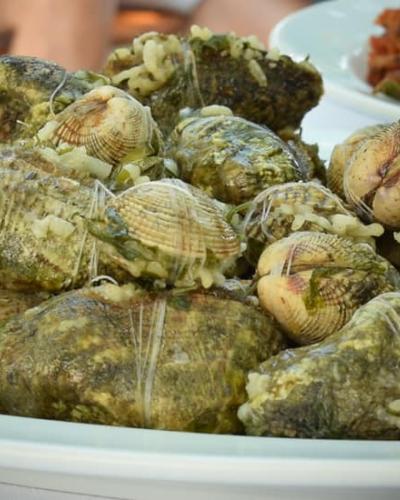
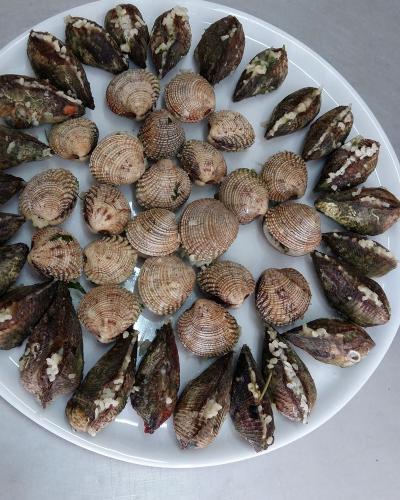
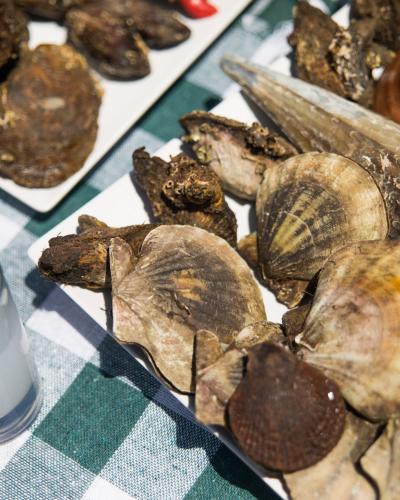
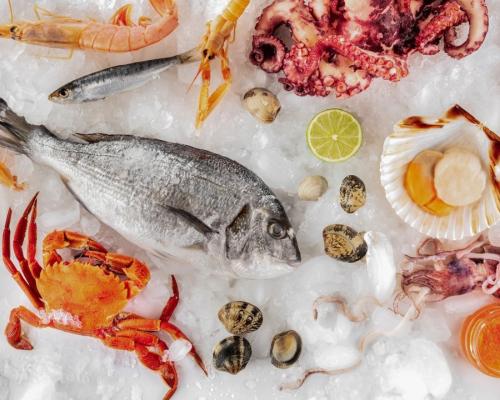
The shellfish of the Gulf of Kallonis in Lesvos are among the island’s most important natural and economic treasures. The gulf is internationally recognized for the abundance and quality of its bivalve molluscs, such as clams (Ruditapes decussatus, Venus verrucosa), Kalloni cockles (Modiolus barbatus), scallops, queen scallops (Pecten jacobaeus) and oysters (Ostrea edulis). The harvesting of these shellfish, which takes place in specific areas and periods, is closely linked to the local economy and the gastronomic identity of Lesvos, preserving a long tradition that dates back to the ancient observations of Aristotle.
The uniqueness of the shellfish of the Gulf of Kallonis lies primarily in the biological environment in which they develop. The gulf is a shallow, semi-enclosed bay, with limited water renewal and significant inflow of nutrients from the surrounding wetlands (e.g., salt pans). These conditions favour the rich growth of phytoplankton and zooplankton, which constitute the main food source of bivalve molluscs.
In particular, Kalloni Cockles and Clams stand out for their sweet, milder taste compared to open-sea shellfish, while their flesh is thicker, characteristics that are attributed to the high quality of the food they find in the gulf. The Cockles (Modiolus barbatus), often referred to as wild mussels, are considered a local gourmet delicacy and an important export product.
The production and fishing area is strictly delineated within the Gulf of Kallonis in Lesvos. The gulf, covering an area of approximately 110 square kilometres and with an average depth of about 10 metres, is characterized by specific ecological features. Its connection to the Aegean Sea through a narrow 4-kilometre-long channel, combined with the presence of surrounding wetlands and salt pans, creates a distinctive microenvironment in terms of temperature, salinity and nutrient concentration.
The area is recognized as an important aquatic habitat and a Natura 2000 site, which highlights the need for ongoing environmental protection. The quality of the shellfish, as filter-feeding organisms, depends directly on the environmental health of the gulf, making regular sanitary and biological monitoring (such as that carried out by the Region of North Aegean and collaborating Universities) critical for ensuring the suitability of the catch.
Shellfish fishing in the Gulf of Kalloni is governed by strict rules for the protection of stocks and the safeguarding of ecological balance, as the gulf is an enclosed sea with a fragile ecosystem.
Fishing Method
The collection of bivalve mollusks (clams, warty venus clams, razorshells) is carried out mainly through professional coastal fishing using specialized tools:
- Dredge (DRB): This is a fishing tool that is dragged along the seabed. Its use is strictly regulated in specific zones and periods, with restrictions on the minimum catch size (e.g., warty venus clams must be over 5 centimeters) in order to avoid the destruction of juvenile organisms and the seabed.
- Diving apparatus: Warty venus clams, in particular, are often fished using diving apparatus by specialized fishermen, a method that ensures the collection of specific species with minimal environmental damage.
Processing and Standardization
The processing of shellfish from the Gulf of Kalloni focuses on ensuring purity and sanitary safety, as bivalve mollusks are filter feeders.
- Cleaning/Depuration: Shellfish, especially those intended for raw consumption, are required to pass through depuration units using clean seawater. This is critical, especially in cases where toxic or potentially toxic microalgae are detected in water samples from the gulf, something that leads to temporary fishing bans until levels return to the permitted limits.
- Packaging: The shellfish are packaged and distributed live, bearing the necessary labeling certifying their origin and the fishing area, in accordance with European and national legislation.
Shellfish fishing in the Gulf of Kalloni has a historical dimension, as the area was known for its ichthyofauna already from the time of Aristotle (4th century BC), who chose it in order to carry out his biological studies, hence the epithet “Aristotle’s Lagoon.” The abundance of shellfish has been a steady source of income for the coastal settlements, complementing sardine fishing and salt production from the salt pans.
The shellfish of the Gulf of Kalloni have a significant economic impact on Lesvos. Their fishing supports approximately 150 families of fishers and transporters, with the largest part of the production (mainly havara clams, venus clams and “kalognomes”) being exported primarily to Italy, where they are considered a delicacy. This intense export activity makes shellfish an important pillar of the local economy and a critical product of outward-looking entrepreneurship. The reputation of the shellfish, together with that of the sardine, also contributes to promoting Lesvos as a gastronomic tourist destination.
- Proteins and Amino Acids: They are an excellent source of high biological value proteins and essential amino acids.
- Trace Elements: They are particularly rich in Zinc (especially oysters), which is vital for the immune system and enzyme function. They also contain significant amounts of Iron, Copper, Selenium (with strong antioxidant action) and Iodine.
- Vitamins: They are good sources of B-complex vitamins, especially B12, and, depending on the type, Vitamin C and Vitamin D.
- Bioactive Compounds: Their content of Omega-3 fatty acids contributes to the protection of the cardiovascular system, while their overall nutritional composition places them among the foods traditionally associated with enhancing vitality.
- Proteins and Amino Acids: They are an excellent source of high biological value proteins and essential amino acids.
- Trace Elements: They are particularly rich in Zinc (especially oysters), which is vital for the immune system and enzyme function. They also contain significant amounts of Iron, Copper, Selenium (with strong antioxidant action) and Iodine.
- Vitamins: They are good sources of B-complex vitamins, especially B12, and, depending on the type, Vitamin C and Vitamin D.
- Bioactive Compounds: Their content of Omega-3 fatty acids contributes to the protection of the cardiovascular system, while their overall nutritional composition places them among the foods traditionally associated with enhancing vitality.