Tahini
Lemnos, the island historically known as the “granary of the Aegean,” possesses a deeply rooted agricultural tradition that extends beyond classic cereals to include the cultivation of sesame (Sesamum indicum). Lemnos Tahini is a processed product, a paste derived from locally grown sesame and produced using traditional methods, such as grinding in stone mills. This product is not merely a food, but constitutes one of the island’s most important artisanal productions, linked to the local sesame variety and its long history as a tradable commodity.
Lemnos Tahini (or Tahini from Lemnos sesame) is identified as a sesame paste, distinguished by the use of the local, indigenous sesame variety (Sesamum indicum) and the preservation of the traditional grinding technique.
Specifications and Status
- Raw Material Variety: The local Lemnos sesame variety is used, renowned for its light brown seed color and particularly intense aroma, characteristics that lend the final paste a unique, earthy flavor.
- Forms: It is produced in two main variations:
- Wholegrain Tahini: Produced from the whole seed (with the husk), it has a darker color, dense texture, and higher nutritional value, particularly in dietary fiber.
- Tahini from Hulled Sesame: It is lighter in color, with a milder and more velvety taste.
The cultivation of sesame, which constitutes the raw material of the Tahini, thrives in the fertile, sandy-loam soils of Lemnos, which have been enriched by the island’s volcanic activity. Lemnos is characterized by a dry, warm climate, with hot and dry summers, conditions ideal for a heat-loving plant such as sesame, which requires temperatures between 21°C and 26°C during the growing period. These soil and climate conditions contribute to the concentration of aromatic oils and nutrients in the seed, differentiating it from sesame grown in other regions.
The production of Lemnos Tahini is a process that combines painstaking, traditional agriculture with artisanal processing that preserves the ancient technique of the stone mill.
Cultivation Method (Sesame)
- Preparation & Sowing: Detailed soil preparation (seedbed) is required due to the small size of the seed. Sowing takes place late in spring (April–May).
- Care: The cultivation of Lemnos sesame is manual and labor-intensive, as multiple hoeings are needed to remove weeds.
- Harvesting: It takes place in September and is traditionally done by hand. The plants are cut, tied into bundles, and left to dry completely in elaborate stacks in the field, before the laborious shaking (threshing) follows to collect the seed.
Production Method (Tahini)
- Cleaning & Sorting: The seeds are meticulously cleaned.
- Dehulling (optional): For white tahini, wet processing and dehulling follow.
- Roasting: The seeds are lightly roasted. This process is vital for developing the characteristic aroma and flavor of Lemnos sesame.
- Grinding: The critical stage. The roasted seeds are ground in traditional stone mills. The use of the stone mill is considered a traditional technique that ensures a low temperature during grinding, preventing oxidation and preserving intact the nutritional components and the delicate aromatic oils of the sesame.
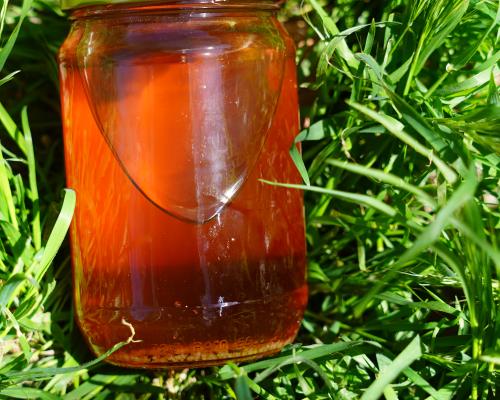
- Standardization & By-product: Tahini is standardized without the addition of chemical stabilizers, which is why the natural separation of sesame oil on the surface is a hallmark of the genuine product. A by-product of the process, or an independent product, is Sesame Oil.
The production of Tahini from local sesame has a multifaceted impact on the economy and identity of Lemnos. Historically, sesame was, along with cotton, one of the island’s main export products. Today, the preservation of the cultivation of the local variety contributes to the maintenance of agrobiodiversity and to the economic diversification of the primary sector. Artisan processing, mainly through the use of traditional stone mills, creates products of high added value and strengthens the island’s quality identity in the national and international food market.
Lemnos’ relationship with sesame is centuries-old, as its cultivation has been known on the island since antiquity, with the aromatic sesame oil being a renowned product. The tradition of cultivation and processing survived until the mid-20th century, when the quantities of sesame were such that it was an important commercial product. The know-how of production, especially the knowledge of milling in sesame mills for the production of tahini, constitutes an integral part of the gastronomic and agricultural heritage of Lemnos.
Tahini is mainly associated with the ecclesiastical tradition of fasting, due to its high nutritional value and complete absence of animal products. It was, and remains, a basic ingredient in the diet of the inhabitants of Lemnos during Lent. The arduous, manual process of harvesting sesame, with cutting the plants and setting up the stooks in September, is a traditional practice that highlights the perseverance and expertise of Lemnian farmers.
Lemnos Tahini, especially the whole-grain variety, is a concentrated source of nutrients, making it an excellent energy food.
Lemnos Tahini, especially the whole-grain variety, is a concentrated source of nutrients, making it an excellent energy food.