wild edible greens
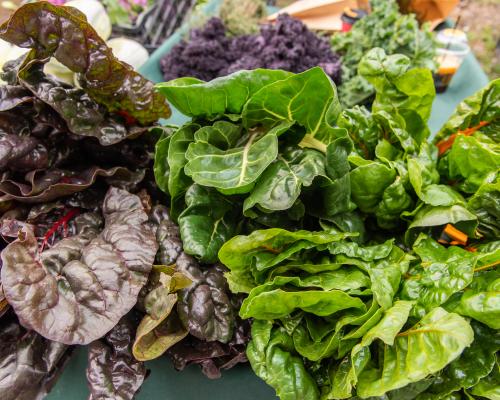
The flora that extends across the islands of Agios Efstratios, Thymaina, Ikaria, Lesvos, Limnos, Oinousses, Samos, Fournoi, Chios and Psara hosts an exceptionally rich variety of wild edible greens, which constitute an integral and fundamental element of the local Mediterranean dietary tradition. The gathering of these “wild greens” is an age‑old practice that provides the islands with an invaluable source of nutrients. Among the most common and sought‑after species collected are wild asparagus, the popular chicories, and their relatives the dandelions, as well as the well‑known stamnagathi, a species of particular gastronomic value. Additionally, the range of edible plants includes sow thistles, mallows, aromatic hartworts, nutritious nettles, amaranths, ribwort plantain, refreshing purslane, and the wild rocket of the rocky areas. The dry, thermophilous, phryganic ecosystem of the islands also offers a series of bitter greens (e.g. alivárvaro) and other plants, such as wild lettuce and the local “myres”, enriching gastronomy with unique, intensely characteristic flavours that demonstrate the close connection between people and the nature of the Aegean.
The uniqueness of the wild greens of the Eastern Aegean lies in their immense biodiversity, as well as in the formation of specific flavour and chemical profiles due to the harsh, dry, thermophilous soil and climatic conditions of the islands. The variety of species—such as chicories, dandelions, stamnagathi, wild asparagus, nettles and hartworts—constitutes a dynamic, seasonal blend of wild flora with a strong local identity. Plants that grow under stress conditions, such as poor, rocky soils and the intense sunshine of the Aegean, tend to produce higher concentrations of bioactive secondary metabolites (such as polyphenols and flavonoids) as a defence mechanism, thereby enhancing their antioxidant
The practice of collecting and consuming wild greens is a recognised element of the Intangible Cultural Heritage of Greece (as recorded for the corresponding greens of Crete), thereby acknowledging the cultural, traditional and ethnobotanical value of the product, which is shared by the islands of the Northern Aegean.
The islands of the North Aegean are characterized by a Mediterranean climate, with mild, wet winters and dry, hot summers, a fact that favors the development of a rich and resilient flora. These islands often have rocky soils, poor in organic matter, with good drainage which, combined with the sea breeze and intense sunlight, create an ideal environment for the development of aromatic and bioactive compounds in plants. Biodiversity is high, including both coastal species (e.g., sea fennel) and species of semi-mountainous and mountainous regions (e.g., in Ikaria and Lesvos). Gathering traditionally takes place in uncultivated areas, olive groves, pastures, and near stream beds, where moisture is retained for longer.
The practice of gathering wild greens in the Eastern Aegean (also known as foraging) is based on traditional methods and requires deep ethnobotanical knowledge for the identification of edible species, as well as for the selection of appropriate areas and time of collection. This process is inextricably linked to the cycle of nature on the islands. Gathering takes place mainly during the winter and spring months, as this seasonality ensures that herbaceous plants are at their optimal stage: young, tender, less fibrous, and with the highest concentration of nutritional and aromatic compounds, before they harden or bloom due to the summer drought.
The gathering of greens is done with minimal, traditional tools. The basic tool is the pocketknife or a small, sharp knife, which is used to cut the tender shoots and leaves just above the root or the soil. This technique is essential for sustainable management, as it allows the root to remain intact, ensuring the regrowth of the plant for the next harvest. The greens are immediately placed in cloth bags or wicker baskets, which allow the product to be ventilated, preventing compression and spoilage during transport. After gathering, processing follows, which includes meticulous cleaning from soil and foreign matter, and then washing in plenty of water before immediate consumption (e.g., boiled with olive oil and lemon) or their use in traditional recipes, such as island-style vegetable pies.
Wild greens have significant socio-economic and environmental impact on the islands of the Aegean, beyond their nutritional value:
- Preservation of Traditional Knowledge: The gathering of greens keeps ethnobotanical knowledge and the traditional practices of the inhabitants alive, contributing to the preservation of the islands’ intangible cultural heritage.
- Source of Income: Although gathering is mainly for self-consumption, the sale of wild greens in local markets and to restaurants constitutes a small-scale supplementary source of income for residents. Stamnagathi and other select species have acquired commercial value, resulting in experimental or small-scale cultivations being observed on islands such as Lemnos and Lesvos, thereby strengthening the local agricultural economy.
- Gastronomic Tourism: The presence of wild greens in the local cuisine enhances gastronomic tourism. Showcasing the local dietary identity through recipes with wild greens (such as hortopites and fricassee dishes) adds value to the islands’ tourism product.
- Environmental Significance: The practice of gathering promotes the recognition and protection of local flora and biodiversity, provided it is carried out with respect and in a sustainable manner.
The use of wild greens in Greece is lost in the depths of the centuries, with references in the texts of Theophrastus and Dioscorides, where their therapeutic and nutritional properties are described. In the Aegean, the consumption of greens was of vital importance, especially in difficult periods (famine, wars), when they constituted the main, if not the only, source of vitamins and nutrients. This practice is inextricably linked with the frugal dietary culture of the island space.
Recently, the value of Greece’s wild greens, and especially those of Crete, was officially recognized with their inscription in the National Inventory of Intangible Cultural Heritage of Greece in 2018, as “The wild edible greens of Crete – Ethnobotanical Practices,” acknowledging the practice of identification, gathering, processing and consumption as a key element of food culture. Although the documentation concerns Crete, this practice is common to all the islands of the Aegean, constituting a horizontal element of island cultural heritage.
The gathering of wild greens is linked to social customs and seasonal traditions:
- The Foraging Outing: The gathering of greens often constituted a social activity, especially for women, who would form groups and go out into the countryside. These outings were not only a process of finding food, but also an opportunity for social interaction and for the exchange of knowledge about the plants and their properties.
- Gastronomic Traditions: Wild greens are closely associated with island-style greens pies and “tsigariasta” (sautéed greens eaten with oil and vinegar/lemon). On many islands, their consumption is particularly frequent during fasting periods (e.g., Lent), as a staple dish of the Lenten diet.
- Folk Medicine: In the islands’ folk tradition, many wild greens were considered to have therapeutic properties (e.g., diuretic, laxative, tonic) and were used as herbal infusions or as nutritional supplements.
The wild greens of the Eastern Aegean, as an integral and historical component of the Mediterranean diet, are distinguished by their exceptionally high nutrient density, which often surpasses that of conventionally cultivated vegetables, due to the harsh edaphoclimatic conditions of the island environment. Nutritionally, they are characterized by a very low caloric load and a negligible fat content (usually less than 1 gram per 100 grams of edible portion). They provide appreciable amounts of protein (about 2–4 grams per 100 grams) and are especially rich in dietary fiber, which plays a decisive role in the smooth functioning of the digestive system and in satiety.
Their primary nutritional advantage lies in the abundance of micronutrients and bioactive compounds. They are powerful sources of antioxidant vitamins, such as Vitamin C and Vitamin E, as well as provitamin A (carotenoids), with species such as chicories (Cichorium spp.) exhibiting particularly high levels. In terms of minerals, the greens cover significant daily needs for Potassium (K), Iron (Fe), Magnesium (Mg) and Manganese (Mn), while Calcium (Ca) intake must be evaluated taking into account the presence of oxalates in certain species (e.g., nettle). Furthermore, certain wild plants of the Aegean, such as Purslane (Portulaca oleracea L.), stand out uniquely among leafy vegetables as noteworthy sources of omega-3 fatty acids, primarily alpha-linolenic acid (ALA), which has been shown to be beneficial for cardiovascular health. Finally, the high concentration of polyphenols and flavonoids, produced as a result of the plants’ exposure to intense environmental stress, imparts strong antioxidant and anti-inflammatory properties to the greens.
The wild greens of the Eastern Aegean, as an integral and historical component of the Mediterranean diet, are distinguished by their exceptionally high nutrient density, which often surpasses that of conventionally cultivated vegetables, due to the harsh edaphoclimatic conditions of the island environment. Nutritionally, they are characterized by a very low caloric load and a negligible fat content (usually less than 1 gram per 100 grams of edible portion). They provide appreciable amounts of protein (about 2–4 grams per 100 grams) and are especially rich in dietary fiber, which plays a decisive role in the smooth functioning of the digestive system and in satiety.
Their primary nutritional advantage lies in the abundance of micronutrients and bioactive compounds. They are powerful sources of antioxidant vitamins, such as Vitamin C and Vitamin E, as well as provitamin A (carotenoids), with species such as chicories (Cichorium spp.) exhibiting particularly high levels. In terms of minerals, the greens cover significant daily needs for Potassium (K), Iron (Fe), Magnesium (Mg) and Manganese (Mn), while Calcium (Ca) intake must be evaluated taking into account the presence of oxalates in certain species (e.g., nettle). Furthermore, certain wild plants of the Aegean, such as Purslane (Portulaca oleracea L.), stand out uniquely among leafy vegetables as noteworthy sources of omega-3 fatty acids, primarily alpha-linolenic acid (ALA), which has been shown to be beneficial for cardiovascular health. Finally, the high concentration of polyphenols and flavonoids, produced as a result of the plants’ exposure to intense environmental stress, imparts strong antioxidant and anti-inflammatory properties to the greens.