Anama Honey of Ikaria
Anama Honey of Ikaria, also known as Anamatomelo or Heather Honey of Ikaria (derived from the plant Erica manipuliflora), is an exceptional product of the island’s beekeeping, with distinctive qualitative and organoleptic characteristics that make it unique in Greece. The name “Anama” comes from the heather (Erica manipuliflora), which blooms in autumn (September–November), the period during which this particular type of honey is harvested. Beyond its distinctive taste, this honey is inextricably linked with the traditional way of life of the Ikarians and their longevity, as its high nutritional and biological value has been the subject of scientific research, reinforcing the island’s reputation as a “Blue Zone”.
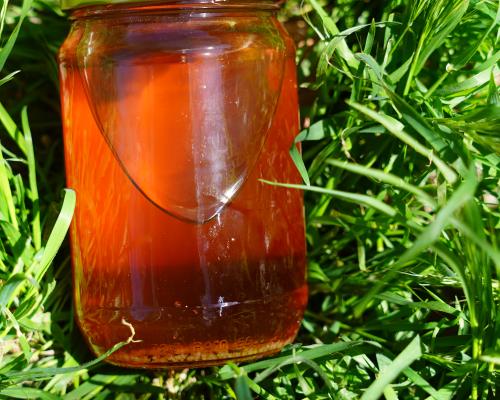
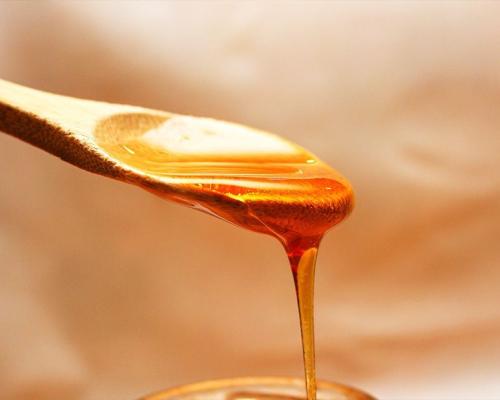
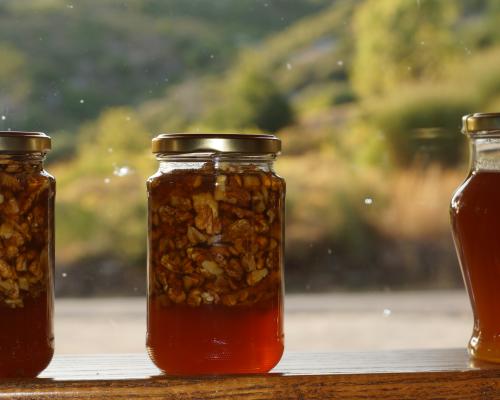
Anama Honey of Ikaria stands out for its unique characteristics, which are closely connected to the island’s endemic flora and its traditional beekeeping practices. It is a thick honey, with a dark brown to coppery reddish color, which after crystallization acquires a distinctive caramel shade. It has a characteristic intense bittersweet flavor due to the aromas of the heather flowers, giving it a unique identity that is highly sought after by connoisseurs.
PDO/PGI Status
Anama Honey of Ikaria is in the process of being registered as a Protected Designation of Origin (PDO) product. The certification dossier, supported by the Beekeeping Cooperative “O Ikaros” in collaboration with the North Aegean Region and the Agricultural University of Athens, was submitted for approval to the Ministry of Rural Development and Food and subsequently to the European Union.
Key Specifications from the PDO Dossier (at the time of submission):
- Harvest: Derived exclusively from the shrub Heather (Erica manipuliflora), which blooms in the autumn months.
- Color: Reddish-copper (dark brown to coppery reddish), which turns to caramel after crystallization.
- Taste: Intense, with a characteristic bittersweet note, and an aroma of heather flowers/caramel.
- Crystallization: Very rapid, usually within 1–3 months from harvest.
- Properties: Possesses natural antimicrobial properties, which are due to its low moisture content and acidic pH, hindering the growth of microorganisms.
The geographical production area of Anama Honey is the island of Ikaria, which is located in the northeastern Aegean. The geomorphology of the island, with its wild, mountainous relief, steep slopes and dense network of streams, combined with the Mediterranean climate, creates a unique ecosystem that favors the development of rich and endemic flora. Beekeeping in Ikaria is based mainly on the island’s wild nature, where cultivated land is minimal, ensuring the purity of the apicultural products. The abundance of autumn heather (Erica manipuliflora), which is the main source for Anama, in inaccessible and uncultivated areas of the mountains of Ikaria, is the decisive factor behind the honey’s distinctive qualitative characteristics.
The production of Ikaria Anama Honey largely follows the traditional beekeeping practices that have been applied on the island for centuries, which are often combined with modern techniques to improve quality and hygiene. Beekeeping in Ikaria is characterized by a nomadic practice, whereby beekeepers move their hives to different areas of the island depending on the flowering season, in order to collect other varieties of honey as well, such as thyme or pine honey.
Seasonality and Collection
The collection of Anama takes place during the autumn months (from mid-September to November), when heather (Erica manipuliflora) blooms on the mountains of Ikaria. Heather is considered a critical beekeeping plant, as its flowering allows for the renewal and strengthening of the hive in anticipation of winter. Traditional techniques include selecting locations with dense heather vegetation, far from sources of pollution or cultivated land, ensuring the purity of the monofloral honey.
Extraction and Processing
After collection, the extraction of the honey is carried out using gentle methods, often centrifugation, with particular care taken to preserve its natural components. Anama honey is known for its rapid crystallization (1–3 months), a fact that necessitates immediate and careful processing. Modern packaging facilities adhere to strict hygiene standards, while the producers’ philosophy maintains a commitment to tradition, using the knowledge of four generations in caring for the bees and intervening as little as possible in the final product.
Anama Honey has a substantial socioeconomic and cultural impact on Ikaria. Beekeeping is one of the island’s main agricultural activities, associated with the preservation of the traditional economy and small-scale, family-based production, in combination with other farming operations. The reputation of Ikarian honey, and especially Anama, as a product of longevity and high biological value, has contributed to promoting Ikaria internationally as a "Blue Zone", enhancing thematic tourism and the value of local products. The process for its registration as a PDO is expected to further safeguard the product, strengthen local producers (such as the Beekeeping Cooperative “Ikaros”) and consolidate the economic sustainability of the beekeeping tradition on the island.
The tradition of beekeeping in Ikaria dates back centuries, forming an integral part of rural life. The people of Ikaria developed the art of beekeeping in a rugged environment, making use of the island’s rich, wild flora. Knowledge and care of bees were passed down from generation to generation, with today’s beekeeping units often representing a continuation of this multi-generational family tradition. Honey, and especially “Anama” (the autumn honey), was not merely a food, but also a medicine and a key ingredient of the daily diet, contributing to Ikaria’s reputation for the longevity of its inhabitants. The concept of “Anamalaxi” (a traditional honey practice for therapeutic purposes) is directly linked to folk medicine and the use of local honey.
- Scientific Recognition: Anama Honey has also been recognized at a scientific level, as references to its benefits are included in academic papers, such as the study on its effects on the skin published in the Journal of Investigative Dermatology, strengthening its reputation as a product of biological value.
Ikaria Anama Honey is considered a product of high biological and nutritional value, directly linked to the richness of Ikarian flora. Like all honeys, it is an excellent source of energy due to its high carbohydrate content (fructose and glucose). However, Anama stands out for its increased pollen content, which enriches it with valuable amino acids and proteins. It is also rich in minerals and trace elements (such as potassium, iron and magnesium) and contains small amounts of vitamins (B and C).
Due to its unique composition, it exhibits significant bioactive properties, such as strong antioxidant action (thanks to flavonoids) and natural antimicrobial properties (due to low moisture and acidic pH). Beyond these, scientific reports highlight anti-inflammatory, antiseptic and calming properties, with a particularly positive effect on the urinary and digestive systems, as well as on boosting the body, making it beneficial for people with anemia and the elderly. Indeed, studies have highlighted the impact of Ikarian honey on stimulating and protecting the cutaneous sensory nervous system.
Ikaria Anama Honey is considered a product of high biological and nutritional value, directly linked to the richness of Ikarian flora. Like all honeys, it is an excellent source of energy due to its high carbohydrate content (fructose and glucose). However, Anama stands out for its increased pollen content, which enriches it with valuable amino acids and proteins. It is also rich in minerals and trace elements (such as potassium, iron and magnesium) and contains small amounts of vitamins (B and C).
Due to its unique composition, it exhibits significant bioactive properties, such as strong antioxidant action (thanks to flavonoids) and natural antimicrobial properties (due to low moisture and acidic pH). Beyond these, scientific reports highlight anti-inflammatory, antiseptic and calming properties, with a particularly positive effect on the urinary and digestive systems, as well as on boosting the body, making it beneficial for people with anemia and the elderly. Indeed, studies have highlighted the impact of Ikarian honey on stimulating and protecting the cutaneous sensory nervous system.