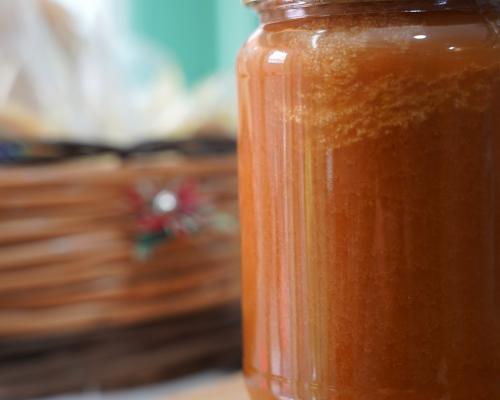
Wild Thyme Honey
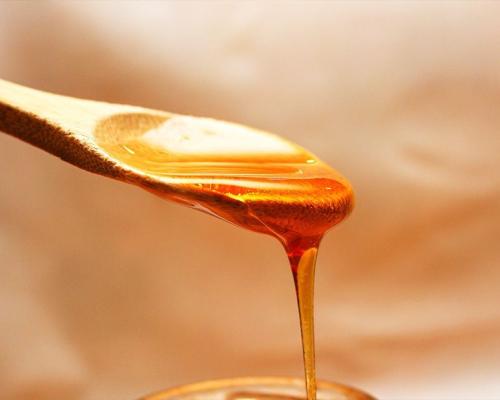
Wild Thyme Honey of Lemnos is one of the island’s most recognizable and high‑quality products, embodying the rich biodiversity of Lemnian flora. It is characterized by its bright amber color, its rich, distinctive taste, and its strong, deep aroma, in which the aromatic notes of wild thyme and the other native herbs of Lemnos predominate. Its production is rooted in a centuries‑old beekeeping tradition, making use of the island’s extensive thyme-covered areas, especially in the northeastern regions. The quality of Lemnos honey has been repeatedly recognized, with studies highlighting its strong antimicrobial action and international awards confirming its superior taste, making it a product of high added value for the local economy.
Identification and PDO/PGI Status
The product is identified mainly as Thyme Honey of Lemnos or Wild Thyme Honey of Lemnos. Many local variations also bear the designation “Honey with Thyme and Wild Herbs of Lemnos,” since the island’s beekeeping flora often produces a multifloral honey in which thyme nevertheless predominates. Its quality is documented by studies and awards, with the name clearly referring to its geographical origin and primary botanical character.
The island of Lemnos offers a distinctive edaphoclimatic environment that favors the development of a rich, diverse, and particularly aromatic flora, which is essential for the production of its renowned thyme honey. The island is characterized by extensive dry and semi‑arid areas with limestone and volcanic rocks, which form ideal habitats for wild thyme (Thymus capitatus or Coridothymus capitatus) and other aromatic plants. The flora of Lemnos also includes other melliferous plants such as smyra (a type of thyme), meliá (probably Melilotus spp), heather, and various other wild herbs and flowers that contribute to the composition and aromatic profile of the honey. The strong Aegean winds and the dry, hot climate with minimal rainfall during the thyme flowering period (late May to mid‑July) help concentrate the essential oils in the plants, giving the nectar and the final honey the characteristic intensity and rich aromatic character that distinguish it.
The production of Wild Thyme Honey on Lemnos follows traditional and gentle beekeeping practices, often applying stationary beekeeping or limited movements (“bee walks”) of the hives to selected, unpolluted thyme fields on the island, particularly in the northern and northeastern areas.
Seasonality and Harvest
The main flowering of thyme on Lemnos usually takes place from late June to mid-July, depending on the year’s climatic conditions. This period marks the peak of the beekeeping season for thyme honey. Beekeepers carefully select locations, ensuring that the flora in the surrounding area (within a radius of approximately 3–5 kilometers) consists mainly of wild thyme, so as to achieve the high percentage of thyme pollen required for it to be characterized as thyme honey (typically >18%).
Traditional Techniques
The traditional techniques focus on the raw, unprocessed quality of the product. The honey is collected with care, with the aim of preserving its nutrients. After removing the frames from the hive, the extraction process follows, in which the honey is removed by centrifugation (formerly with local, hand-operated extractors, today usually with modern centrifugal machines) at low speeds, keeping its physicochemical characteristics intact. Uncapping (removal of the wax from the comb) is carried out with traditional tools.
Processing and Standardization
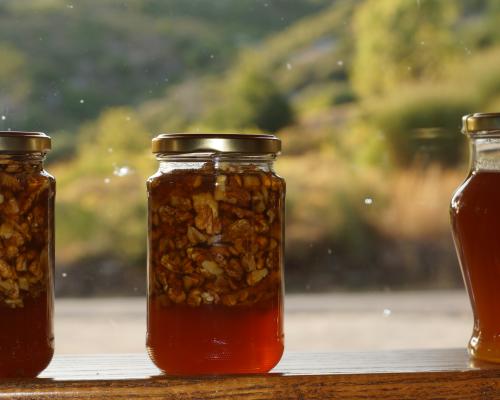
On Lemnos, many producers emphasize minimal or no processing of the honey, beyond filtering (to remove wax particles and other foreign matter) and gentle heating (only when necessary, at controlled temperatures below 40–45°C) in order to slow crystallization and facilitate packaging. This mild approach is crucial for preserving the bioactive compounds (such as enzymes and antioxidants). Standardization is carried out in glass jars, ensuring hygiene and traceability conditions.
By-products
Beekeeping on Lemnos, in addition to thyme honey, also produces other valuable hive products such as:
- Pollen: Collected by the bees and rich in proteins, amino acids, and vitamins.
- Royal Jelly: The “milky” product that bees produce for the queen.
- Propolis: The resinous substance with strong antimicrobial action, known as a “natural antibiotic.”
- Beeswax: Used for making salves or candles.
Beekeeping, and in particular the production of Wild Thyme Honey, constitutes an important pillar of the rural economy of Lemnos.
Economic Contribution
The high quality and recognizability of Lemnos thyme honey, strengthened by the international distinctions of local beekeepers and the Agricultural Beekeeping Cooperative of Lemnos (“LIMNIAN LAND”), has turned the product into an exportable good with a high selling price. This offers significant added value to local production, supporting agricultural income and, to a small extent, reversing the trend of abandonment of rural areas.
Promotion and Tourism
Honey functions as an ambassador of Lemnos. Its reputation and distinctions contribute to the cultural and gastronomic promotion of the island. Visiting apiaries and tasting the honey are now part of agritourism activities, attracting visitors who are interested in tradition and pure products.
Environmental Significance
Beekeeping in Lemnos promotes the preservation of biodiversity and thyme habitats. Beekeepers act as guardians of the environment, as the survival of bee colonies depends directly on the health of the flora and the absence of pesticides. The presence of bees is vital for the pollination of thyme and other crops on the island.
Beekeeping in Lemnos, as in many island regions of the Aegean, has deep roots that are lost in time, linking the practice to ancient mythology and traditional social structures.
Ancient Greek References
Beekeeping in the Greek area appeared as early as the Bronze Age (2nd millennium BC). The mythology of the Aegean, and especially the Cretan tradition, associates the bee and honey with the birth and nourishment of Zeus by the nymph Melissa. Static beekeeping on islands such as Lemnos, where beekeepers do not need to move their hives over long distances due to the homogeneity of the flora (thyme), is a traditional practice that has likely been preserved for centuries.
Modern History and Organization
In modern history, beekeeping on Lemnos has been significantly strengthened, especially from the mid-20th century onwards. The establishment of the Agricultural Beekeeping Cooperative of Lemnos (also known as “LIMNIAN LAND”) marked the organization of production, the collective effort toward standardization, and the promotion of the product. The families of beekeepers, passing on the craft from generation to generation, as evidenced by the records of local producer families, contributed to preserving know-how and respect for the bee and nature. Until a few years ago, Lemnian honey was scarcely packaged, whereas today, thanks to the recognition of its quality, it is an exportable product.
Honey, as a precious and nutritious good, is deeply embedded in the customs and diet of Lemnos, mainly as an ingredient in sweets and as a symbol of prosperity.
Weddings and Celebrations
In many local customs, honey is used as a sweetener in traditional desserts offered at weddings and baptisms, symbolizing a sweet life and fertility. It is an ingredient in traditional confections such as samsades (or samousades), where it replaces sugar, imparting a unique aroma.
Folk Medicine
Due to its antiseptic and tonic properties, thyme honey was traditionally used as a natural medicine and restorative. It was a key ingredient in remedies for coughs, sore throats, rapid wound healing, and strengthening the immune system. The thymol it contains, known for its antimicrobial action, reinforced this practice.
Breakfast and Diet
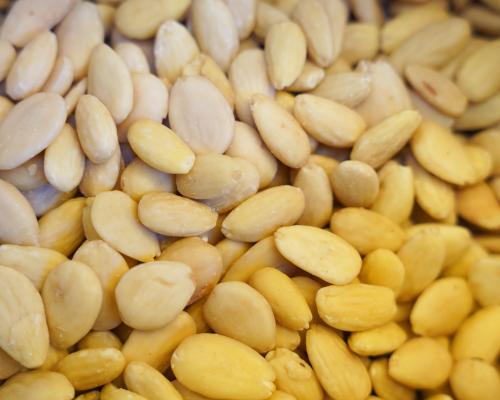
In Lemnian cuisine, honey is an integral part of the traditional breakfast and rural diet. It accompanies yogurt, tahini (a traditional product of the island), nuts (such as almonds), as well as warm bread or marmarites (a type of fried flatbread).
Wild Thyme Honey of Lemnos and the local producers have received significant international and national distinctions, confirming its high quality and unique flavor profile:
Producer / Cooperative , Apimondia International Congress , Χρυσό Βραβείο
Honey Hasapis (Δημήτρης Χασάπης), Great Taste Awards , 3 Αστέρια
Agricultural Beekeeping Cooperative of Lemnos (“Limnia Gi”) , Superior Taste Awards (International Taste Institute) , 2 Αστέρια (87,7% βαθμολογία)
“Eptapolis” (Aikaterini Koukoula) , 4ος Διαγωνισμός Ελληνικού Μελιού Ανώτερης Ποιότητας (Φεστιβάλ Ελληνικού Μελιού, ΑΠΘ) , Πλατινένιο Βραβείο