Ariousios Wine
Ariousios Wine is a historic and highly renowned product of Chian winemaking, dating back to antiquity and inextricably linked with the island’s culture and economy. Today, its production forms part of the revival of the Chian vineyard, with modern wines bearing the recognition of the Protected Geographical Indication (P.G.I.) Chios, thus preserving the heritage of the ancient, famous wine.
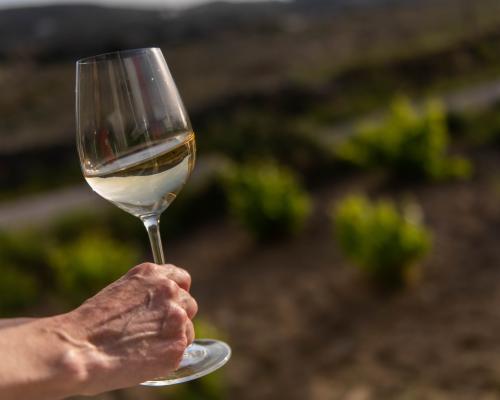
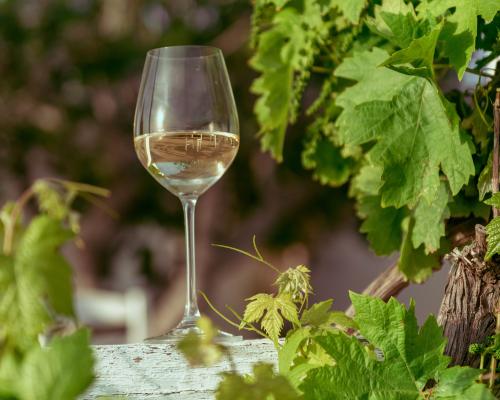
Ariousios Wine (or Chios) is today recognized as a product with a Protected Geographical Indication (P.G.I. Chios), which covers all wines produced within the island’s geographical zone that meet specific specifications. The name Ariousios is historically associated with the finest quality of Chian wine since antiquity. This status certifies the link between the wine’s quality and reputation and its geographical origin. P.G.I. Chios wines are produced in various types, such as white dry, red dry, red semi-sweet, rosé (dry, semi-dry, semi-sweet), while the main varieties used include Chiotiko Krasero N. (red), Agiorgitiko N., Assyrtiko B., Mandilaria N. and Bigleri B. (white).
The production area of the historic Ariousios Wine is located in Northwestern Chios, a zone which in antiquity was called Ariousia Chora (or Ariousion). This area is delineated between Mount Pelinnaion and Mount Amani, and today includes, among others, the settlement of Kourounia, which is said to have produced the finest wine in more recent times, confirming the enduring reputation of this particular zone. The soil in the area is mostly rugged, calcareous, a characteristic that contributes to shaping the distinctive character of the grapes. The particular climatic conditions are due to the high mountain ranges on the eastern side of the island, creating a unique microclimate that is crucial for vine cultivation and the slow, even ripening of the grapes—factors that have historically contributed to the exceptional quality of Ariousios.
Cultivation Method
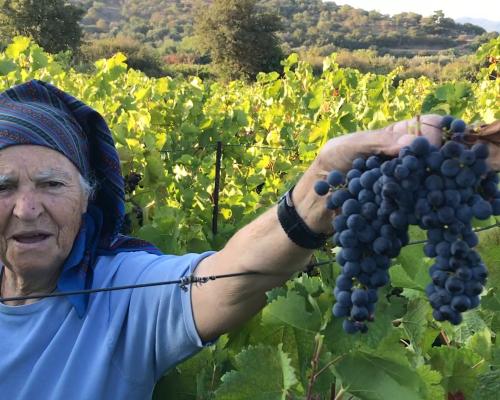
Viticulture for the PGI Chios wines (which bear the heritage of Ariousios) takes place mainly on the slopes of Mount Amani in Northwestern Chios. The cultivation is characterized by the predominance of indigenous varieties, such as Chiotiko Krasero and Bigleri, which have fully adapted to the rugged and mountainous environment. The vineyards are often scattered around small settlements. Due to the soil and tradition, cultivation practices often follow traditional methods, allowing the expression of the island’s distinctive terroir, with an emphasis on the quality of the raw material.
Winemaking Method
Winemaking for the PGI Chios wines is carried out in modern facilities on the island. The process follows classical methods, with adjustments depending on the type of wine (white, red, dry, semi-dry, semi-sweet).
- Vinification of Dry, Semi-Dry and Semi-Sweet White Wines: The transformation of grapes into must and of must into wine is carried out using modern technology. The alcoholic fermentation of white wines takes place at a controlled temperature, which does not exceed 20°C, a practice that is critical for preserving fresh aromas.
- Vinification of Dry, Semi-Dry and Semi-Sweet Red Wines: For red wines, the classic method of red vinification is applied. However, the method of pre-fermentation cold maceration is permitted for better extraction of color and aromas, which usually lasts 3–4 days. This is followed by inoculation with selected yeast cultures. The period of contact with the marc (maceration) lasts until just before the end of alcoholic fermentation. After separation, dry red wines are usually also subjected to malolactic fermentation.
- Production of Semi-Dry / Semi-Sweet Wines: For the production of semi-dry and semi-sweet wines, sweetening of dry wines is permitted in accordance with the limits and conditions set by Community legislation. Red semi-sweet wine, in particular, may be produced from sun-dried grapes (such as Ariousios Glikazon), following the traditional practice of Mediterranean sweet wines.
Ariousios Wine and the revival of Chios’ vineyard have a multidimensional impact on the local economy and cultural identity. Historically, Ariousios was one of the most important and renowned export products of Chios, securing wealth and international recognition. Today, the existence of the P.G.I. Chios and the reactivation of wineries such as ARIOUSIOS S.A. contribute significantly to the agricultural development of northwestern Chios, an area that had faced the abandonment of cultivation for decades. The wine boosts wine tourism, as modern facilities operate as visitable wineries, attracting tourists interested in the island’s history and gastronomy. The export of the wine to markets such as the USA, England, and Australia contributes to the island’s outward orientation, while at the same time bringing to the fore Chios’ historical connection with the famed wines of antiquity, serving as a cultural ambassador of the island.
The history of Ariousios Wine is among the most glorious in the annals of Greek and world wine, as its fame stretches across 1,500 and more years of Antiquity and Byzantium. Myth has it that Dionysus himself blessed Chios, and that his son, the mythical king Oenopion, taught the Chians the art of cultivating and producing the “black wine.” As early as the 5th century BC, the poet Hermippus was praising its quality, while Pliny the Elder and the physician Galen ranked it among the best wines in the world. Its reputation was such that it was called “Nectar” and “Homeric wine” (with tradition linking the birth of Homer to the area where it was produced). During the Roman period, it was extremely rare and expensive, prescribed even for medicinal purposes, while shipwrecks in the Mediterranean, filled with Chian amphorae specially made for its transport, attest to its immense export power. References to the wine continued in the Byzantine period by historians such as Psellos and Porphyrogenitus, confirming its timeless pre-eminence, with a renown many compare to the modern fame of Bordeaux.