Limnio Kalampaki (wine variety)
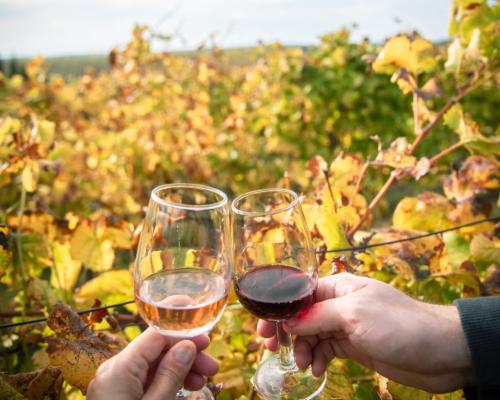
Limnio, also known by the synonym Kalampaki, is one of the oldest recorded Greek grape varieties and holds a prominent place in the vineyard of Lemnos. Its historical reference dates back to classical antiquity, making it a living part of the winemaking tradition of the Aegean. It is a red variety that yields wines with a distinctive aromatic profile, medium body and good acidity, contributing decisively to the identity of Lemnian wine, which is primarily associated with the white variety Muscat of Alexandria. Limnio has been cultivated on Lemnos for millennia, ideally adapted to the island’s distinctive soil and climatic conditions.
The uniqueness of Limnio/Kalampaki stems mainly from its antiquity and its exclusive association with the region of Lemnos, although it is now also cultivated in other regions of Greece.
- Identification, Synonyms, Variations: The official name of the variety is Limnio. Kalampaki is the main and most widespread synonym used on Lemnos and in other regions, possibly indicating its origin from the area of Kalampaka on Lemnos or, according to other interpretations, the characteristic shape of the bunch. Other synonyms encountered in various regions include Limniotiko, Kalampa, Kalampesi, and Negos.
- Limnio is used as the main variety for the production of the red PGI Lemnos wine (Protected Geographical Indication), where it accounts for at least 85% of the blend.
- Scheme: PGI (Protected Geographical Indication).
- Year: The geographical indication “Lemnos” (for local wine) was initially established by national legislation and then incorporated into the EU framework.
- File code/Regulation: PGI Lemnos was registered in accordance with the relevant European regulations.
- Basic Specifications (Red PGI Lemnos): The wine is produced from Limnio grapes at a minimum proportion of 85%. The addition of other red varieties from Lemnos, approved for the area, is permitted up to 15%. The wine is typically dry in style, with moderate alcohol content, and is distinguished by aromas of red fruits and herbs.
The cultivation of Limnio on Lemnos is concentrated mainly in the island’s winegrowing zones, which are characterized by a distinctive geological and climatic profile.
Lemnos, as a geographical production area, is a volcanic island with soils that vary, but are dominated by sandy, sandy-loam and light soils, often with the presence of volcanic ash (terra Lemnia) and rich in minerals. This soil composition contributes to the finesse and minerality of the wines produced. The climate is Mediterranean with low rainfall during the summer and strong northerly winds (meltemia). These winds play a decisive role, as they limit humidity and protect the vine from diseases, often making the use of chemical interventions unnecessary. The intense sunshine and the temperature differences between day and night, especially during the ripening period, ensure full phenolic maturity and the preservation of acidity, producing grapes with concentrated aromas.
The method of cultivating and vinifying Limnio in Lemnos follows traditional practices adapted to the particularities of the island, incorporating modern winemaking techniques.
- Cultivation Method: The majority of the vineyards are trained in low goblet-shaped forms, a traditional technique that protects the plant from strong winds, drought and intense solar radiation, preserving the natural soil moisture. This form is particularly widespread in dry and hot island vineyards. Limnio is a late-ripening variety that requires a long ripening period, with harvest usually taking place in late September or early October. Due to the sandy soils, which are resistant to phylloxera, many vines are ungrafted, a fact that is considered to contribute to the preservation of the variety’s pure genetic material and to the expression of a more authentic terroir.
- Harvest: The harvest is often carried out by hand, due to the goblet-shaped training and the need for careful selection of ripe bunches. The late ripening ensures the optimal concentration of sugars and tannins.
- Vinification (Red Wine):
- Process: After harvest, the grapes are taken to the winery for destemming and crushing. Vinification of red Limnio involves red fermentation, where the must ferments in contact with the pomace (skins and seeds) to extract color, tannins, and aromatic compounds. The fermentation temperature is carefully controlled to preserve the fresh fruity aromas.
- Aging: Red wines from Limnio often mature for a certain period of time. While they can be consumed as young wines, some bottlings are aged in stainless steel tanks or in oak barrels for a few months up to one year, in order to soften the tannins and gain additional complexity (e.g., aromas of spices, vanilla). The choice of barrel (new or used, French or American oak) depends on the desired style of the winemaker.
- By-products: As in all winemaking, the main by-products are the pomace, which can be used for the production of tsipouro (souma in Lemnos) or for fertilizing the vineyards.
The cultivation of Limnio has significant economic, environmental, and social impact on Lemnos. It constitutes a critical component of the island’s secondary and tertiary sectors, contributing to the local economy through production, processing, and wine tourism. The presence of indigenous varieties such as Limnio and Muscat of Alexandria enables the creation of PGI products, adding value and bringing international recognition. Environmentally, traditional cultivation in sandy, dry-farmed soils, often with own-rooted vines, promotes sustainability and the preservation of vineyard biodiversity. The vine’s resistance to local conditions reduces the need for intensive fertilization and plant protection. Socially, Limnio preserves the island’s viticultural tradition. Engagement in vine cultivation is an important source of income for many families and helps maintain Lemnos’s rural landscape and identity.
The history of Limnio is inextricably linked with classical antiquity. It is considered to be the “Lemnian Vine” mentioned by Aristotle in his work Meteorologica (4th century BC), where he even describes it as a variety that produces wine with distinctive properties. This reference makes Limnio one of the very few Greek varieties for which there is historical documentation reaching back to antiquity.
The enduring presence of the variety on the island highlights its cultural heritage. Wine from Limnio was probably one of the products that contributed to Lemnos’s fame in the ancient world. The name Kalabaki appears in later sources, but its identification with the ancient Limnio is widely accepted in the scientific community and in the field of oenology.
Winemaking in Lemnos has been integrated into local customs and traditions. Traditionally, the harvest of Limnio, due to its late ripening, marked the end of the main agricultural season of the autumn.
In many villages, the process of treading the grapes and producing the sweet must (which can be used for moustalevria) constituted a family and community celebration. Although modern winemaking has replaced many traditional practices, the offering of wine from Limnio on formal occasions, festivities, and family meals remains a key element of Lemnos’s hospitality and dietary tradition, especially as an accompaniment to local meats and cheeses.
Wine from Limnio, whether as a single-varietal or as the main component of the red PGI Lemnos, has received distinctions in national and international competitions.
- Distinctions (indicative and based on previous years):
- Competition: Decanter World Wine Awards (DWWA)
- Year: 2018/2019/2020 (e.g. for bottled PGI Lemnos Red)
- Category: Red Dry
- Level: Silver/Bronze Medal
- Link: todo (Research is required in the official winner archives of specific wineries of Lemnos.)
- Competition: Thessaloniki International Wine and Spirits Competition
- Year: todo
- Category: Red Wine
- Level: Gold/Silver
- Competition: Decanter World Wine Awards (DWWA)
Red wine from Limnio, like all red wines, provides nutrients and bioactive compounds, although consumption should be moderate.
- Macronutrients (per 100 ml of dry red wine):
- Energy: Approximately 85–90 kcal (primarily from ethanol).
- Carbohydrates: Typically <1 g (little to no sugars).
- Proteins/Fats/Dietary Fiber: Negligible amount.
- Alcohol (Ethanol): Usually ranges between 12.5% and 14% by volume.
- Bioactive Compounds: Limnio, as a red variety, is rich in polyphenols and other antioxidant components that are extracted from the skins and seeds during red fermentation.
- Resveratrol: One of the most extensively studied polyphenols, known for its potential cardioprotective and antioxidant properties.
- Anthocyanins: Responsible for the red color of wine, they also function as powerful antioxidants.
- Tannins: They contribute to the structure and aging potential of the wine. The tannins of Limnio are usually well integrated and silky, especially after maturation.
Red wine from Limnio, like all red wines, provides nutrients and bioactive compounds, although consumption should be moderate.
- Macronutrients (per 100 ml of dry red wine):
- Energy: Approximately 85–90 kcal (primarily from ethanol).
- Carbohydrates: Typically <1 g (little to no sugars).
- Proteins/Fats/Dietary Fiber: Negligible amount.
- Alcohol (Ethanol): Usually ranges between 12.5% and 14% by volume.
- Bioactive Compounds: Limnio, as a red variety, is rich in polyphenols and other antioxidant components that are extracted from the skins and seeds during red fermentation.
- Resveratrol: One of the most extensively studied polyphenols, known for its potential cardioprotective and antioxidant properties.
- Anthocyanins: Responsible for the red color of wine, they also function as powerful antioxidants.
- Tannins: They contribute to the structure and aging potential of the wine. The tannins of Limnio are usually well integrated and silky, especially after maturation.