Muscat of Samos
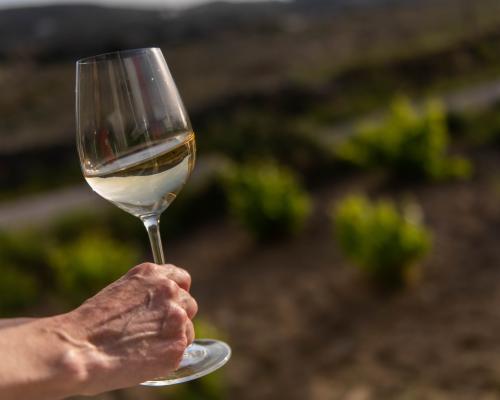
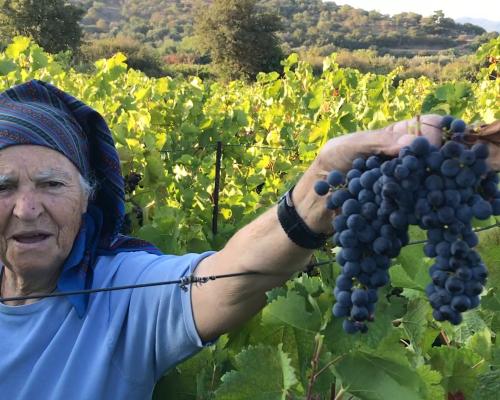
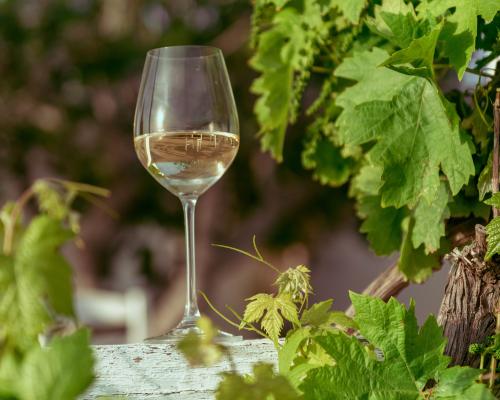
The name Muscat of Samos refers to the world-famous wines produced on the island of Samos exclusively from the aromatic Muscat Blanc variety (locally known as Aspro Moschato Mikrorogo, i.e. Small-berried White Muscat). The island’s winemaking tradition stretches back over 3,000 years, making the Samos vineyard one of the oldest and most historic in the Aegean. The unique quality and complexity of these wines is due to the combination of the vineyard’s distinctive insular and mountainous character, the poor soils and the particular winemaking techniques, with the finest representatives being the sweet wines Vin Doux (VDL), Vin Doux Naturel (VDN) and the naturally sweet wine Vin Naturellment Doux (VND), marketed under the name Nectar.
The wines from Muscat of Samos are registered as Protected Designation of Origin (PDO) Samos (PDO-GR-A1564), one of the most important designations of origin in Greece, especially for sweet wines. The geographical indication PDO Samos guarantees that the wine is produced 100% from the Muscat Blanc variety (or Muscat Aspro) within the delimited geographical area of the island of Samos.
The basic specifications of PDO Samos include:
- Variety: 100% Muscat Blanc (Muscat Aspro Small-berried).
- Geographical Area: Northern part (areas of the Municipality of Karlovasi, the communities of Kokkari, Vourliotes, Agios Konstantinos, Manolates, Stavrinides, Ampelos, Kontakeika, Ydrousa, Kontaion, Agioi Theodoroi, Platanos, Lekka, Kastanea and Kosmadeoi), central part (areas of the communities of Pyrgos, Mesogeio, Pandroso, Koumaradei and Mavratzaioi), eastern part (areas of the Municipality of Samion, the communities of Pagondas, Chora, Mytilinioi, Vathy), southern part (area of the community of Spatharei).
- Vinification: The crushing of the grapes and the vinification of the must for the production of PDO Samos are permitted in all the wineries of the island, provided they meet the relevant requirements, on the basis of a derogation (Government Gazette 1407/B/25.11.1976).
Types of Wines: PDO Samos wines include, among others, sweet fortified wines (Vins de Liqueurs, such as Samos Vin Doux and Samos Vin Doux Naturel) and naturally sweet wines (Vin Naturellment Doux, such as Samos Nectar). The Vin Doux type is the most popular and representative.
The vineyard of Samos is defined by a rare combination of insular and mountainous character, as it stretches from the coastal areas up to an altitude of 800–900 meters on the slopes of Mount Ampelos (or Karvounis) and Kerketeas.
The distinctive morphology of the soil is a decisive factor:
- Altitude & Orientation: The vineyards are often laid out in dry-stone terraces (pezoules) on slopes, frequently with a northern exposure, which ensures better drainage and protection from the intense midday summer sun, contributing to the preservation of the grapes’ acidity. The altitude range from 50–900 m creates microclimates that strongly influence the aromatic characteristics of the wines.
- Soil & Climate: The soils are mainly granitic and schistose, with low fertility, neutral pH and excellent drainage, all of which favor the production of grapes with high concentration and quality. The climate is typically Mediterranean, with mild winters and cool summers, where the influence of the winds, especially during the summer months, is important for the ripening and health of the vine.
Cultivation on terraces is particularly costly and makes mechanization difficult to impossible, requiring manual labor, while at the same time shaping a natural landscape of exceptional beauty and environmental value.
The production of PDO Samos wines is governed by traditional cultivation practices combined with modern winemaking techniques, with the Muscat Blanc variety trained in low bush form on the terraces.
Cultivation and Harvesting Method
Viticulture is particularly intensive due to the mountainous terrain and the use of terraces (dry-stone walls), with the average holding being small (about 0.5 hectares), which significantly increases production costs and requires constant care from the approximately 2,000 vinegrowers on the island. The harvest usually takes place in August and September. The low fertility of the soils and the management of the vineyards lead to a small annual grape yield, which does not exceed 1,000 kg per 0.1 hectare.
Vinification of Sweet PDO Samos Wines
The main types of sweet PDO Samos wines are:
- Samos Vin Doux (Sweet Wine / Vin de Liqueur):
Vin doux wine is produced by adding, before the start of alcoholic fermentation, wine-derived alcohol of viticultural and oenological origin with an alcoholic strength of at least 95% vol. to the must, so that the final product attains the legally prescribed acquired and total alcoholic strength. Wine of this type contains all of the sugars of the must. Nevertheless, for the base musts, an ethyl alcohol content of at least 1% vol. is acceptable. This type of wine may be aged for five years in oak barrels.
- Samos Vin Doux Naturel (Naturally Sweet Wine) VDN
Naturally sweet wines (Vin doux Naturel) and naturally sweet wines from selected vineyards (Vin doux Naturel – Grand Cru) are produced by adding, during fermentation, wine-derived alcohol of viticultural and oenological origin with an alcoholic strength of at least 95% vol. in a proportion of at least 5% and at most 10% of the volume of the must used, or in a proportion of 40% of the total alcoholic strength of the final product.
- Samos Vin Naturellement Doux (Naturally Sweet Wine / Nectar):
Produced from overripe, sun-dried grapes. The dehydration of the grapes in the sun (sun-drying) concentrates their sugars and aromas. Ageing may follow, often for at least six years in oak barrels, giving the wine a deep amber colour and complex maturation aromas (raisin, honey, nuts, tobacco).
Samos Muscat constitutes the fundamental economic, social and cultural pillar of the island. The Unified Winemaking Agricultural Cooperative of Samos (UWC Samos), one of the oldest cooperatives in Greece (founded in 1934), together with the other wineries established after the lifting of compulsory membership in 2017, collect and vinify the grape production of the island’s approximately 2,000 winegrowers.
Viticulture in Samos is a key source of income for thousands of families and has shaped the island’s human-made environment (dry-stone walls, terraces), making the vineyard an integral part of the landscape and of its cultural heritage. The wine’s reputation promotes the island internationally, boosting other sectors as well, such as wine tourism.
The history of wine in Samos dates back 3,000 years, with references even to the mythological conflict between the god Dionysus and the Amazons, which is said to have resulted in the gift of the vine to the Samians. Vine cultivation has decisively marked local society and the economy throughout history, from antiquity, Byzantium, and Ottoman rule, up to the Union with Greece in 1912.
A critical historical juncture was the period after 1870, with the appearance of phylloxera in France. The destruction of the French vineyards led to a surge in demand for Samian wine, with a dramatic increase in sales and prices in 1880, making Samos a key export hub. However, the crisis also reached the island in 1888 with the rapid spread of phylloxera. The vineyard was gradually replanted using American resistant rootstocks onto which the surviving Muscat vines were grafted, shaping today’s vineyard. The establishment of UWC Samos in 1934 was the institutional response to the need for collective management and preservation of this unique product.
Samos Muscat (especially Vin Doux and Nectar) has received international recognition and a multitude of distinctions, underscoring its consistent quality:
- Samos Vin Doux: Mentioned as the No. 1 sweet wine in terms of sales in Greece and exported all over the world. It has received numerous awards, including a recent silver medal at the Decanter awards.
- Samos Nectar: Mentioned as one of the best wines in the world made from sun-dried grapes.