Armogalo
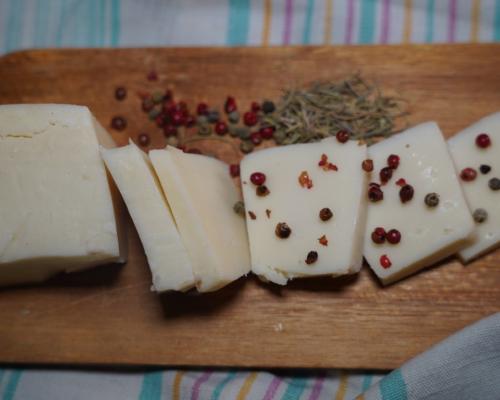
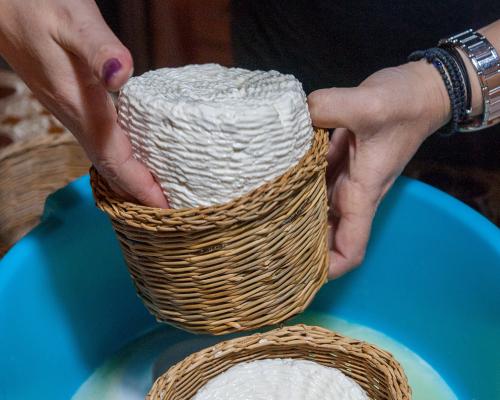
Armogalo of Samos is a distinct example of traditional Samian cheesemaking. It is a soft cheese with a creamy or spreadable texture, which in the past was mainly prepared at home by the housewives of the island. Today, its production has been taken over by local, certified cheesemaking units, while still preserving the traditional method of preparation. Its taste is rich, fresh, and slightly tangy.
Its uniqueness lies in the traditional production process using goat’s milk and in the creamy texture that is achieved through the characteristic beating (stirring) after draining, reminiscent of other Greek spreadable cheeses such as Anevato of Kozani, Galotyri of Epirus, or Katiki of Domokos. It has a short shelf life, mainly due to its minimal or zero salt content.
The geographical area of production of Armogalo is the entire island of Samos. Its production is directly linked to the island’s local livestock farming, as the milk used is collected exclusively from Samian livestock farmers, supplying the local cheesemaking units. Samos is characterized by varied terrain with mountains such as Kerkis and Ampelos, which contribute to shaping the microclimate and flora, which in turn affect the quality of the milk of the free-grazing goats and sheep.
The production of Armogalo of Samos is a traditional method that includes specific steps, with goat’s milk as the raw material.
- Coagulation: The fresh goat’s milk is heated and coagulated, a process that traditionally allowed the development of its sweet and buttery aroma.
- Ripening / Fermentation: The curd is left to ripen for about 24 hours.
- Draining: This is followed by the draining process, which also lasts about 24 hours, removing the whey and concentrating the product.
- Beating (Stirring): The drained product, which by now has the texture of thick yogurt, is beaten (stirred) vigorously until it acquires its characteristic creamy, spreadable texture. This stage is crucial for the final structure of Armogalo, making it easy to use as a spread or as an ingredient in pies.
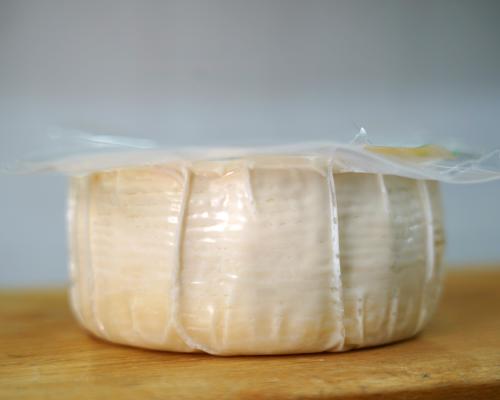
- Standardization: The final product is packaged. Due to the minimal addition of salt, its shelf life is short.
Armogalo is an emblematic local product that is inextricably linked with the agricultural and cultural identity of Samos. Its production supports local livestock farming, as the island’s only certified dairy collects exclusively local milk from Samos livestock breeders. Its small-scale production and limited distribution (mainly on the island) enhance its image as a rare, authentic delicacy and as a gastronomic attraction for visitors, contributing to gastronomic tourism and to the strengthening of the local economy.
Armogalo has deep roots in the traditional diet of Samos. In earlier times, during the 1950s, it was a cheese widely made by housewives at home, using the day’s fresh goat’s milk. This traditional practice points to the autonomy and self-sufficiency of the island’s rural households. The survival of the recipe, which has now passed into certified production units, keeps alive the gastronomic heritage of Samos and its connection with the traditional way of life.
Because it is a fresh, low-salt and seasonal product with a short shelf life, Armogalo was traditionally consumed immediately. Its preparation was part of the household cheese-making traditions, especially during periods of increased milk production. In contemporary customs, Armogalo is widely used in local gastronomy as part of hospitality and as an emphasis on the authenticity of Samian recipes.
Its nutritional value is determined by its composition as a fresh, spreadable cheese made from goat’s milk. Armogalo has a high content of total fat (including saturated fatty acids) due to its nature as a cream cheese. It provides proteins of high biological value. Goat’s milk products are sources of calcium, phosphorus and fat-soluble vitamins (such as vitamin A). Its key nutritional characteristic is its minimal or zero sodium (salt) content, a factor that defines its fresh, tangy taste and its short shelf life.
Its nutritional value is determined by its composition as a fresh, spreadable cheese made from goat’s milk. Armogalo has a high content of total fat (including saturated fatty acids) due to its nature as a cream cheese. It provides proteins of high biological value. Goat’s milk products are sources of calcium, phosphorus and fat-soluble vitamins (such as vitamin A). Its key nutritional characteristic is its minimal or zero sodium (salt) content, a factor that defines its fresh, tangy taste and its short shelf life.