Kaskavali
Kaskavali of Lemnos is one of the oldest and most characteristic traditional cheeses of the island, constituting an integral part of its rural and gastronomic identity. It belongs to the cheesemaking category and is a semi-hard to hard cheese made from heated curd, renowned for its intense aroma and buttery taste, which is mainly due to the local sheep’s milk of Lemnos. Its production has its roots in medieval times, closely linked to the “kechayades” (herdsmen) of the island, who developed the special technique of reheating the curd and traditional natural drying. Kaskavali preserves its historical value as a cheese of local tradition, reflecting the quality of the milk from free-range sheep grazing on the rich pastures of Lemnian land.
Kaskavali of Lemnos is known by this name, without widely recorded official synonyms or name variations on the island. It is a cheese made from heated curd, a fact that gives it its distinctive texture. Its traditional preparation and close connection with the local sheep’s milk make it a product with a strong local identity. The texture of the cheese ranges from semi-hard to hard, it has a buttery taste and intense aroma, and it was traditionally produced from whole, unpasteurised sheep’s milk.
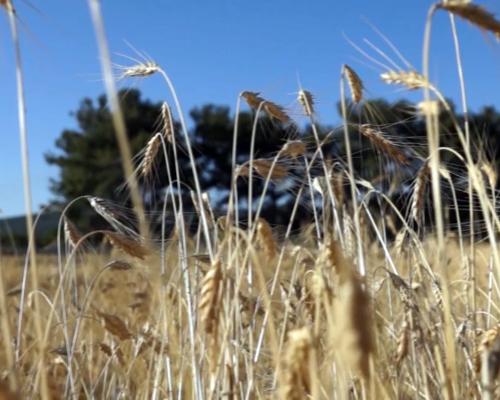
Lemnos is one of the flattest islands of the Aegean, a fact that favours agriculture and animal husbandry, earning it the designation “granary” of antiquity. The island has vast pastures with distinctive flora, which is a key factor in the quality of the milk. The free-range sheep raised in the fields of Lemnos produce milk with unique organoleptic characteristics, which are carried over into the taste and aroma of Kaskavali. The particularly dry, warm climate and low atmospheric humidity during the summer months are also critical environmental factors that influence the traditional process of drying and maturing the cheese.
The traditional production of Kaskavali of Lemnos is a complex process of cheesemaking from heated curd, faithfully observed by the island’s herdsmen (“kechayades”). The basic raw material is whole sheep’s milk from Lemnos.
The process includes the following stages:
- Coagulation: The milk is coagulated by adding rennet.
- Heating & Cutting of Curd: The curd is cut and reheated to a high temperature, a technique that is characteristic of its production. This reheating is decisive for the subsequent texture of the cheese.
- Aging (Baski): After the first processing, the curd (baski) is left to “ripen” for an intermediate period, during which the pH decreases (to around 5.2) with the help of the milk’s microorganisms. This acidification facilitates the final processing.
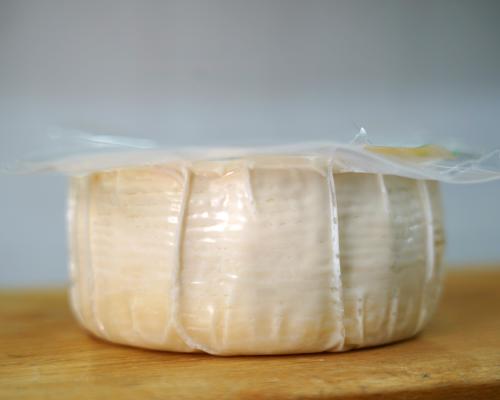
- Reheating & Molding: Further processing follows and the cheese mass is shaped into small cheese wheels.
- Traditional Drying & Maturation: One of the most distinctive traditional stages is drying, which used to take place after the month of May. The wheels were placed in wooden crates with mesh and left to dry in a shady place (often under trees) at relatively high temperatures (above 22 °C). This process of gradual dehydration, combined with the environmental conditions, contributed to the formation of the hard rind and the intensely aromatic, buttery character of the cheese. Today, maturation and drying take place under controlled conditions in dairies.
Kaskavali, together with Feta and Kalathaki, is one of the pillars of Limnos cheesemaking, which constitutes a large part of the local economy and agricultural identity. Its production relies directly on the island’s livestock farming, ensuring income for the stockbreeders and kechayiades, who continue the tradition of free-range grazing. The preservation of traditional cheesemaking art contributes to safeguarding the island’s intangible cultural heritage and to promoting Limnos as a place of high-quality agricultural products. In addition, its gastronomic reputation boosts tourism, attracting visitors who seek authentic local flavors.
The history of Kaskavali in Limnos is centuries-old, with references placing it as early as medieval times. Its production is closely linked to the kechayiades, the island’s livestock farmers, who passed on their know-how from generation to generation. This cheese reflects the survival and adaptation of Limnos livestock farming to the island’s particular conditions. Although the term “Kaskavali” is widespread throughout Greece (as in Pindos Kaskavali), the Limnos version has developed its own distinct character, associated with local sheep’s milk and the traditional drying method, which was adapted to the dry Aegean summer.
The production of Kaskavali is part of the customs of the mandra and the cycle of livestock life in Limnos. The abundance of milk, especially after the end of spring, marked the period of intensive cheesemaking, when cheeses were produced that would ensure the family’s nutrition for the rest of the year. The process of traditional drying in wooden crates in a shaded place with high temperature, beyond its technical necessity, also constituted a social ritual and a means of knowledge exchange among stockbreeders, linking cheese production to the cycle of the year and the well-being of the herd.
As a hard or semi-hard cheese made from sheep’s milk, Lemnos Kashkaval is a product of high nutritional value, rich in essential macro- and micronutrients.
As a hard or semi-hard cheese made from sheep’s milk, Lemnos Kashkaval is a product of high nutritional value, rich in essential macro- and micronutrients.