Broad beans
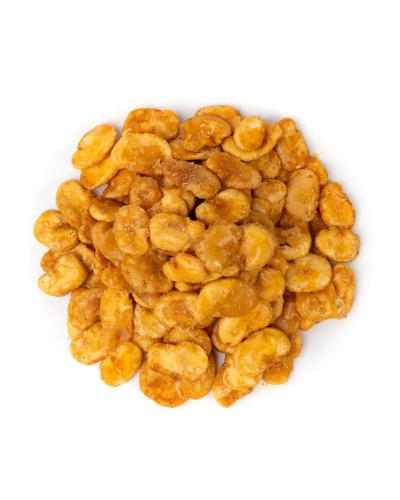
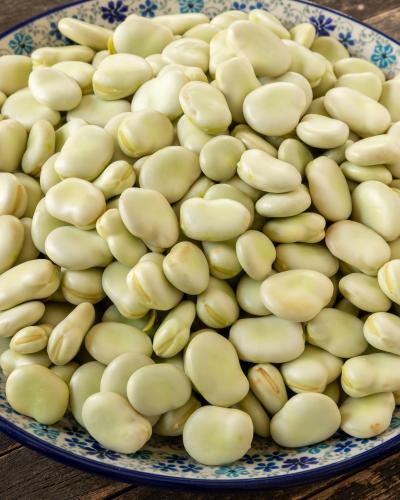
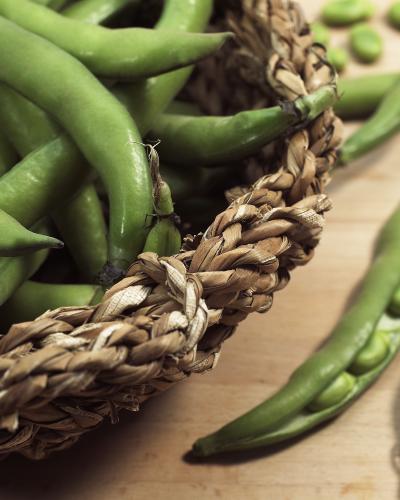
Broad beans (Vicia faba) belong to the category of pulses, one of the oldest crops of the Mediterranean, and are a key element of Greek island cuisine. On Agios Efstratios, the cultivation of pulses, including broad beans and legumes more generally, has always been a practice aimed at self‑sufficiency and supplementary nutrition rather than commercial exploitation. Agricultural activity on the island shrank dramatically from the late 1960s onwards, with the result that today’s crops are sporadic and focus on vegetables and a few legumes to cover the needs of the island’s few inhabitants.
The uniqueness of the product lies in the traditional variety preserved on the island and in its cultivation under the strict dry and hot conditions of the North Aegean, which may affect its taste and boiling properties.
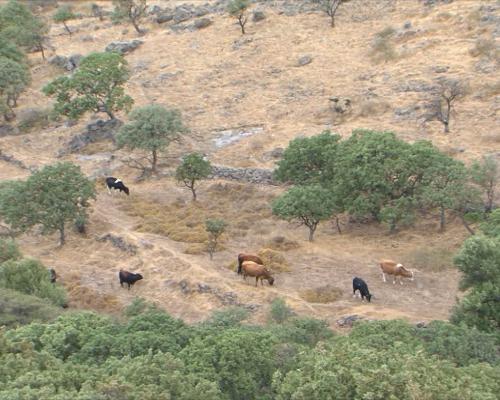
Agios Efstratios (Ai Stratis) is located in the Northeastern Aegean and is characterized by marked isolation and limited agricultural land, which is mostly sloping. This restricts intensive cultivation. The presence of a large oak forest (Quercus ithaburensis) indicates that the land was historically intended for livestock farming and acorn collection. The dry, hot climate, combined with limited water availability, dictates the choice of drought‑resistant crops, such as pulses, including broad beans (Vicia faba), which have traditionally thrived under these conditions.
The cultivation of broad beans on Agios Efstratios follows traditional, non‑intensive practices adapted to the island’s dry and hot conditions.
Broad beans, as legumes, thrive in medium and poor soils, which they enrich with nitrogen. The cultivation is essentially rainfed (without irrigation), with sowing taking place in autumn or early winter. Crop care is minimal and manual, and the practice approximates organic production, since the use of chemicals is rare.
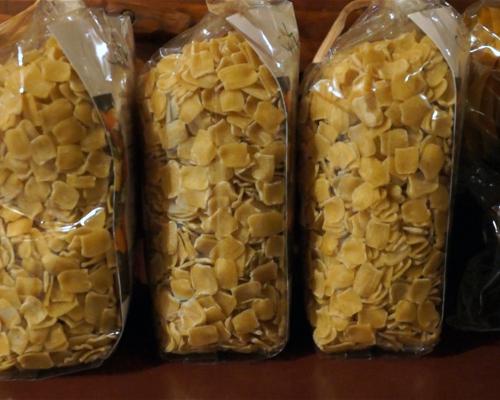
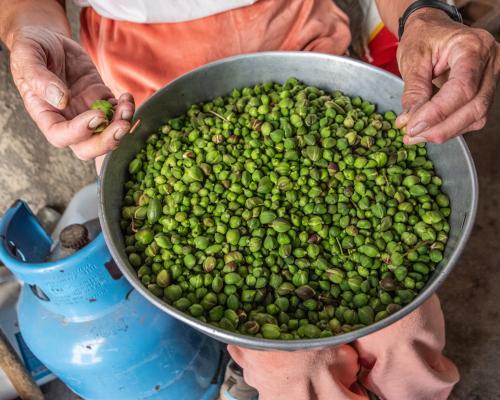
Harvesting of the ripe pods is done by hand in spring or summer, followed by natural sun‑drying. Final standardization (grinding/dehulling) is carried out with simple traditional means, and storage takes place in dry spaces for long‑term preservation.
The impact of broad bean cultivation on Agios Efstratios is mainly cultural and environmental, with a now limited economic footprint. The preservation of this crop, even on a micro-scale, contributes to maintaining the local dietary culture and the biodiversity of traditional legume varieties.
Environmentally, broad beans, as legumes, play a decisive role in improving soil fertility through nitrogen fixation, a practice that is critical for the sustainable management of the island’s limited agricultural resources. The cultivation also strengthens the self-sufficiency of residents in basic foods, reducing dependence on imported products in this remote environment.
The history of agriculture on Agios Efstratios is inextricably linked with the agro-pastoral coexistence of the inhabitants in a harsh island environment. Historically, families owned “kalyvia” in the countryside, secondary facilities where the main agricultural and livestock work was carried out, with farming focusing on the necessities for survival, such as pulses. The cultivation of fava beans dates back to earlier times, when the island community had to be as self-sufficient as possible. Even during the period when Ai Stratis functioned as a place of political exile (1940–1960), agricultural work and the production of basic foods, which included pulses, often formed part of the daily life and survival efforts of both the exiles and the locals.
Fava beans, as a typical legume of Greek cuisine, are associated on Agios Efstratios, as throughout the Aegean, with the dietary traditions of fasting. They are a key component of the Lenten diet, traditionally consumed on Clean Monday and during Great Lent. Their traditional preparation, which requires a long process of boiling and soaking, is a custom in itself, a ritual passed down from older to younger generations, keeping alive the knowledge of how to make use of this nutritious raw material.
Broad beans (Vicia faba) are internationally recognized as a legume of high nutritional value, rich in plant proteins and bioactive compounds.
- Macronutrients: They are an excellent source of plant protein (about 7–8 g / 100 g boiled) and are particularly rich in dietary fiber (about 6–8 g / 100 g), which enhances the digestive system and satiety, while their fat content is negligible.
- Vitamins & Minerals: They are rich in Folic Acid (B9), Iron, Potassium, Magnesium and B-complex vitamins (e.g., Thiamine).
- Bioactive Compounds: They contain antioxidants (flavonoids) and L-DOPA (levodopa), a precursor of dopamine that is being studied for neuroprotective benefits.
Caution: The consumption of broad beans is strictly prohibited for individuals with G6PD enzyme deficiency (glucose-6-phosphate dehydrogenase deficiency), as it can cause severe hemolytic anemia known as Favism.
Broad beans (Vicia faba) are internationally recognized as a legume of high nutritional value, rich in plant proteins and bioactive compounds.
- Macronutrients: They are an excellent source of plant protein (about 7–8 g / 100 g boiled) and are particularly rich in dietary fiber (about 6–8 g / 100 g), which enhances the digestive system and satiety, while their fat content is negligible.
- Vitamins & Minerals: They are rich in Folic Acid (B9), Iron, Potassium, Magnesium and B-complex vitamins (e.g., Thiamine).
- Bioactive Compounds: They contain antioxidants (flavonoids) and L-DOPA (levodopa), a precursor of dopamine that is being studied for neuroprotective benefits.
Caution: The consumption of broad beans is strictly prohibited for individuals with G6PD enzyme deficiency (glucose-6-phosphate dehydrogenase deficiency), as it can cause severe hemolytic anemia known as Favism.