Panagia Chickpea
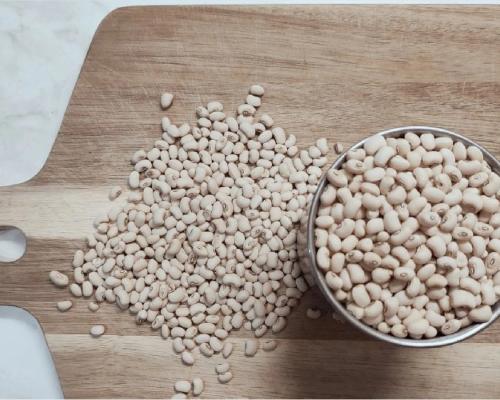
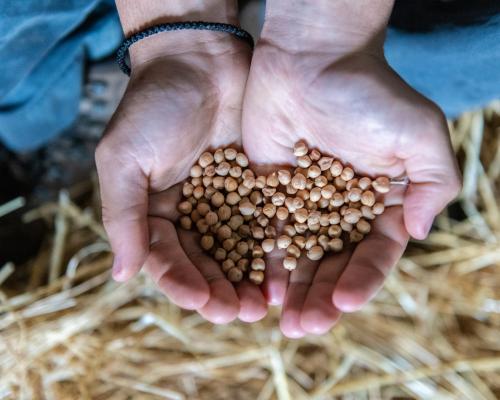
The Panagia Chickpea belongs to the category of pulses and is traditionally cultivated on the island of Lemnos, its name deriving from the village of the same name in northeastern Lemnos. It is a crop that was a basic component of the local diet for many decades. Its re-cultivation, which began around 2012 by local producers, aims at preserving authentic primary production and the local variety.
The Panagia Chickpea is known as a local variety of chickpea (Cicer arietinum). Its distinct identity lies in its qualitative characteristics, as it is considered one of the quickest-boiling chickpea varieties nationwide, which shortens cooking time, and it is also distinguished for its particularly rich flavor. Its name is inextricably linked with the village of Panagia on Lemnos, where it used to be systematically cultivated in the past.
The favorable climatic conditions of Lemnos, characterized by a Mediterranean climate with Aegean influences, combined with its volcanic soils (although the degree of their impact on pulses requires further official study), have created ideal conditions for the cultivation of cereals and pulses. The area around the village of Panagia in NE Lemnos, where this particular variety was traditionally cultivated, is associated with the preservation of the island’s agricultural practices and its biodiversity.
The cultivation of pulses on Lemnos, and especially of the Panagia Chickpea, largely follows traditional practices that have been shaped by the local soil and climate conditions. Chickpeas, like cereals, are traditional crops of the island.
- Soil and Climate Requirements: Chickpeas generally thrive in medium-textured soils with good drainage. The mild climatic conditions of Lemnos favor their cultivation.
- Traditional Practices: Traditionally, pulse cultivation was carried out using methods passed down from earlier inhabitants, including plowing with animals (oxen) in previous decades. These practices are directly linked to the preservation of the biodiversity of Lemnos.
- Harvesting and Processing: Chickpeas are usually harvested during the summer months. After harvesting, natural cleaning and drying follow. Standardization includes the sorting and packaging of the dried seed, with the aim of preserving its quality, as the Panagia variety is renowned for its high boilability.
The re-cultivation of the Panagia Chickpea constitutes an important step for the revival of the local agricultural economy and the preservation of the genetic diversity of Lemnos. The focus on the production of high-quality local varieties, independently of the subsidy mentality, strengthens healthy entrepreneurship and highlights the identity of the island. Promoting the product as a distinct local variety contributes to the touristic promotion of Lemnos and to the development of its gastronomic culture.
Pulses, together with cereals, have been a fundamental pillar of Lemnian agricultural production and diet for many centuries. The cultivation of the Panagia chickpea in the village of the same name in northeastern Lemnos is part of the island’s cultural heritage. The Panagia Chickpea is a living example of the resilience of local agriculture and of the effort to preserve indigenous varieties in an island environment.
Pulses in general hold a central place in Greece’s religious and dietary customs, especially during periods of fasting. Revithada (chickpea stew) is a classic winter dish, synonymous with modest yet nourishing food, which was likely cooked traditionally in a gastra or clay pot, as is customary on many islands of the Aegean.
Chickpeas are generally considered a food of high nutritional value, especially within the framework of the Mediterranean Diet. They are one of the best natural sources of high biological value protein, which can adequately replace animal proteins, especially when combined with cereals (such as rice). They contain all the essential amino acids.
- Macronutrients (per 100 g of dried chickpeas – general data):
- Protein: Approximately 20–22 grams.
- Carbohydrates: Approximately 60–63 grams (mainly complex, with a low glycemic index).
- Dietary fiber: Approximately 12–17 grams (high content, important for intestinal health).
- Fats: Low content (approximately 5–7 grams).
- Vitamins and Minerals: They are an excellent source of Folic Acid (B9), iron, calcium, magnesium, zinc, and potassium.
- Bioactive Compounds: They contain antioxidants and phytochemicals such as lycopene and isoflavones, which have been linked to a reduced risk of heart disease and certain types of cancer.
Chickpeas are generally considered a food of high nutritional value, especially within the framework of the Mediterranean Diet. They are one of the best natural sources of high biological value protein, which can adequately replace animal proteins, especially when combined with cereals (such as rice). They contain all the essential amino acids.
- Macronutrients (per 100 g of dried chickpeas – general data):
- Protein: Approximately 20–22 grams.
- Carbohydrates: Approximately 60–63 grams (mainly complex, with a low glycemic index).
- Dietary fiber: Approximately 12–17 grams (high content, important for intestinal health).
- Fats: Low content (approximately 5–7 grams).
- Vitamins and Minerals: They are an excellent source of Folic Acid (B9), iron, calcium, magnesium, zinc, and potassium.
- Bioactive Compounds: They contain antioxidants and phytochemicals such as lycopene and isoflavones, which have been linked to a reduced risk of heart disease and certain types of cancer.