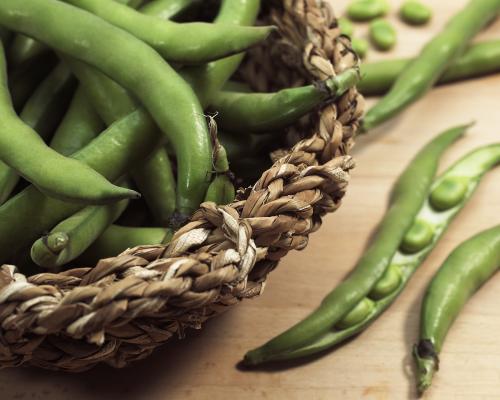
Legumes (chickpeas, fava beans, broad beans)
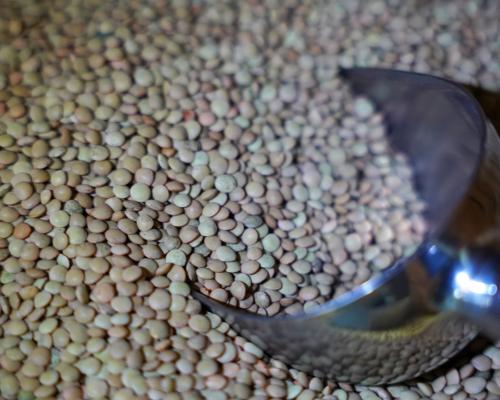
The pulses of Ikaria, such as chickpeas, fava (grass pea), and the various varieties of beans (large-seeded, such as gigantes), are one of the cornerstones of traditional Ikarian cuisine. The frequent and high consumption of pulses on the island, combined with their quality, which is due to the local, dry and warm cultivation conditions, is a key factor associated with the low mortality from cardiovascular diseases and the well-being of the inhabitants, as scientific studies indicate (e.g., the IKARIA Study). Their cultivation is interwoven with the self-sufficiency and agrarian way of life of the island.
The uniqueness of Ikarian pulses lies in the local nature of the varieties (many of which are local, non-registered seeds that have been cultivated for generations), in the morphology of the seed, and in the distinctive flavor profile shaped by the island’s soil and climatic conditions.
Specifications (Locality)
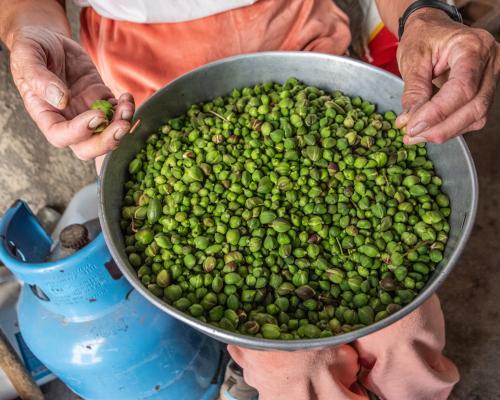
- Chickpeas: Ikarian production is often characterized by small- to medium-sized seed varieties (such as the “IKARIA” variety developed by the Institute of Industrial and Forage Crops), which are particularly resistant to dry and warm conditions.
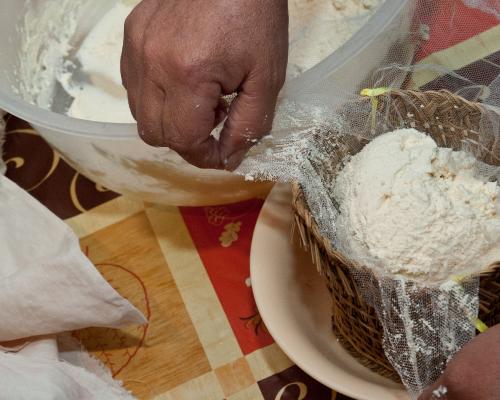
- Fava (Grass Pea): Produced from the seed of Lathyrus sativus or Lathyrus clymenum. Ikarian fava is renowned for its quick cooking time and velvety texture, characteristics often linked to its cultivation in non-irrigated, dry soils, as is also the case with Amorgos Fava.
- Beans (Gigantes): Cultivated in small quantities, usually in more humid parts of the island or in fields with a higher capacity for moisture retention, using seeds that have adapted to local conditions.
The cultivation of pulses in Ikaria is scattered and not confined to a single valley, but develops mainly in:
- Mountainous & Semi-mountainous Soils: In small plateaus or on flat terraces (stone-built steps) between the mountain masses of Atheras (Prophet Elias), at altitudes that vary but often exceed 400 meters.
- Soil and Climate Conditions: The soils are generally light to medium in texture, often stony, with good drainage, which is essential for chickpea cultivation. The dry, warm climate of Ikaria, with its high summer temperatures and the absence of rainfall during the ripening period, drives the plants to produce smaller seeds, but with a higher concentration of nutrients and a distinctive, intense flavor. The extensive exposure to the sun promotes excellent ripening.
Legume cultivation in Ikaria retains strongly traditional elements and is characterized by dryland farming and small-scale production, contributing to the quality of the final product.
- Sowing: Sowing is traditionally carried out in Spring (late February – March) or in Autumn for certain chickpea varieties. Mostly local seeds are used, preserved by the growers themselves, ensuring adaptability to local conditions.
- Dryland Cultivation: The majority of the cultivation is dryland, that is, without artificial irrigation. The drought tolerance of legumes is critical for the survival and quality of the seed in the island’s dry, warm environment. The absence of excessive moisture also reduces the risk of diseases such as Ascochyta blight in chickpeas.
- Harvesting: Harvest takes place in the summer (June – July) and is often carried out by hand in small fields and on terraces. After the plants are dried, threshing is performed (traditionally on threshing floors) to separate the seeds from the pods and the residue.
- Post-Harvest Processing & Storage: Traditional practices include careful sun-drying and cleaning of the seeds. For protection against insects and moths during storage, natural methods are used, such as adding ash inside the storage jars or sacks, an age-old method that ensures the hygiene of the product without the use of chemical agents. Storage takes place in cool, dry areas, often in old clay jars
The cultivation of legumes in Ikaria has a profound social and cultural impact, going beyond the purely economic dimension.
- Food Self-Sufficiency: Historically, legumes, together with cereals and olive oil, were fundamental for the self-sufficiency of the local community, ensuring staple foods in times of isolation or hardship. This tradition continues, with production intended mainly for the local market and for the producers’ own consumption.
- Preservation of Biodiversity: The use and preservation of local seed varieties (grandparents’ seeds), especially for beans and chickpeas, contributes to safeguarding local agrobiodiversity, which is adapted to the area’s particular soil and climatic conditions.
- Blue Zone: The inclusion of legumes in the daily diet of Ikarians, together with wild greens and local vegetables, is one of the main features of the diet that is studied worldwide as a model of longevity and healthy aging. The impact is directly linked to the global recognition of Ikaria as an “island of longevity.”
The cultivation of pulses in Greece has ancient roots, and Ikaria is no exception. The resilience of pulses to dry conditions (such as chickpeas) made them an ideal and reliable crop for the rugged and mountainous island environment.
In Ikaria, the cultivation of pulses was traditionally part of a crop rotation system with cereals, since legumes, such as pulses, enrich the soil with nitrogen through the nitrogen-fixing bacteria on their roots. This practice, which is a legacy of ancient agricultural societies, maintains soil fertility without the need for large quantities of nitrogen fertilizers, reflecting the philosophy of sustainable, small-scale farming.
Pulses hold a prominent place during fasting periods and in the island’s traditional recipes.
- Everyday Food: Revithada (chickpeas baked in a casserole or in the oven), bean soup and fava are regular, everyday dishes, eaten at least twice a week, in keeping with Mediterranean tradition. Ikarian revithada is renowned for its slow baking in a wood-fired oven in a clay pot (pythari), which gives it an exceptional texture and depth of flavor.
- Soufiko: Soufiko, Ikaria’s traditional olive-oil-based dish made with seasonal vegetables and beans or chickpeas, is a culinary custom that reflects the island’s self-sufficiency and the use of produce from the garden, often consuming pulses combined with vegetables and olive oil.
Detailed Analysis
- High-Quantity & High-Quality Protein: Legumes provide high-quality plant protein, which is double the quantity found in cereals. Although they lack the essential amino acid methionine, their traditional combination with cereals (e.g., bean soup with bread or chickpeas with rice, such as the Ikarian soufico) creates complete protein of high biological value, effectively substituting for meat.
- Rich in Dietary Fiber & Low Glycemic Index: Their exceptionally high content of dietary fiber (both soluble and insoluble) helps regulate blood sugar levels (low glycemic index) and contributes to the good health of the digestive system.
- Micronutrients & Antioxidants: They are an important source of B-complex vitamins (especially folic acid), which are essential for energy production and the proper functioning of the nervous system, as well as minerals such as iron, zinc and magnesium. Their frequent consumption in Ikaria is considered a key element of the cardioprotective effect of the local diet.
Detailed Analysis
- High-Quantity & High-Quality Protein: Legumes provide high-quality plant protein, which is double the quantity found in cereals. Although they lack the essential amino acid methionine, their traditional combination with cereals (e.g., bean soup with bread or chickpeas with rice, such as the Ikarian soufico) creates complete protein of high biological value, effectively substituting for meat.
- Rich in Dietary Fiber & Low Glycemic Index: Their exceptionally high content of dietary fiber (both soluble and insoluble) helps regulate blood sugar levels (low glycemic index) and contributes to the good health of the digestive system.
- Micronutrients & Antioxidants: They are an important source of B-complex vitamins (especially folic acid), which are essential for energy production and the proper functioning of the nervous system, as well as minerals such as iron, zinc and magnesium. Their frequent consumption in Ikaria is considered a key element of the cardioprotective effect of the local diet.