Figs (fresh and dried)
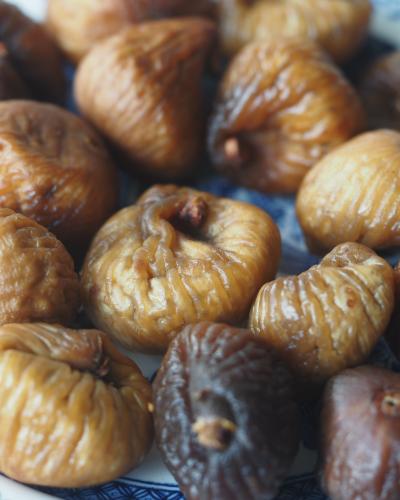
Figs (fresh and dried) are a traditional agricultural product of Samos, with the fig tree thriving on the island thanks to the ideal soil and climate conditions, even though Samos’s reputation is more strongly associated with its exceptional PDO wine. The cultivation of the fig tree contributes to the island’s agricultural economy and local gastronomy. Production concerns both the consumption of the fruit fresh during the summer months and its processing into dried figs, a form that allows the preservation of their high nutritional value and their availability throughout the year. The figs of Samos are appreciated for their sweet and rich taste, characteristics that are enhanced by the traditional method of natural drying under the Mediterranean sun.
Local fig production carries the uniqueness imparted by the microclimate of Samos and the traditional fig varieties cultivated on the island. The quality of the product is directly linked to the natural drying process that is followed, a procedure that maximizes the concentration of natural sugars and gives the dried figs their characteristic dark color and intense, fruity flavor, making them a distinctive local delicacy.
The cultivation of the fig tree in Samos is not limited to a specific zone but is found in various areas of the island. As an island of the North Aegean, Samos is characterized by diverse terrain and a Mediterranean climate with mild, wet winters and hot, dry summers. These conditions are particularly favorable for the fig tree, which prefers deep, fertile, calcareous soils with a pH usually ranging between 6 and 8. The plant is drought-resistant, but the quality of the fruit, especially its flesh and its “honey,” is positively influenced by the proper balance of soil moisture. The intense summer sunshine in Samos is a critical factor for the natural ripening and successful drying of the figs, as it allows the fruits to shrink, increase their sugar concentration, and attain the ideal moisture level for their preservation.
Cultivation and Seasonality
The fig tree in Samos is traditionally cultivated in small orchards or as scattered trees. The plant thrives in areas with good drainage, and production benefits from the absence of excessive irrigation during the summer, as heavy rainfall or over-irrigation may cause the figs to “split,” degrading the quality of the fruit. Fruiting begins in the summer, with the harvest of fresh figs usually taking place from August onward. The fresh fruits are collected in the morning hours, with care taken not to damage their skin and to avoid contact with the milky sap (latex) secreted by the fig tree, which is irritating.
Harvesting and Processing of Dried Figs
The production of dried figs is based on a traditional method of natural drying. For dehydration, the fruit must reach the stage of full ripeness and have the maximum sugar content.
- Harvesting: The figs intended for drying are hand-picked directly from the tree, or from nets placed under the fig trees, ensuring that they are fully ripe.
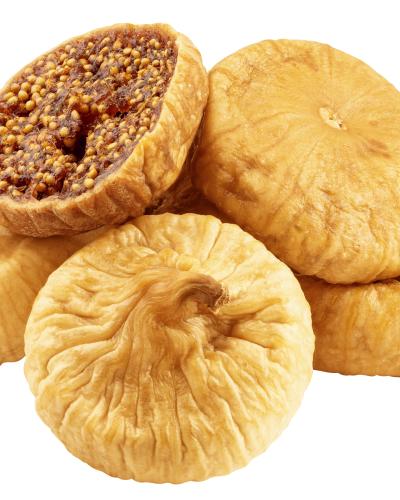
- Preparation and Drying: Sorting follows, and then the figs are spread out in the sun to dry naturally. Often, the figs are opened and stuck together in pairs (the traditional “askada” or “diplota”), creating a round, flat shape, which facilitates drying and preservation.
- Processing and Storage: After drying, the figs are mandatorily washed with potable water, carefully dried in suitable ovens, and then packed and standardized (usually in vacuum sealer bags). This processing ensures the hygiene and long-term preservation of the product. The final product is the natural type (light brown in color, rich in “honey”), which is the most desirable for traditional dried figs.
Fig cultivation, although not the main agricultural product of Samos, plays an important role in preserving the island’s rural tradition and landscape. Fig trees are hardy and blend harmoniously into the Mediterranean ecosystem of Samos, requiring minimal inputs. Their production provides additional income for rural families, especially on small holdings, and strengthens local processing through small cottage-industry units for drying and standardization. Fresh and dried figs from Samos are also an integral part of the local gastronomic identity, promoting the island’s products to visitors and boosting agritourism.
The fig tree is among the oldest cultivated trees, and its presence in the Aegean and Asia Minor is deeply rooted. Although historical references to the figs of Samos are not as extensive as those to Samian wine, it is certain that fig cultivation has been part of the island’s rural life for centuries. Samos, known since antiquity as a center of Ionian civilization and a major commercial power, developed the cultivation of various products, with the fig serving as a stable and nutritious source of food, especially in its dried form, which could be preserved and transported easily. The traditional method of natural drying and the production of the “diplota” (folded) figs are a legacy of earlier generations, inextricably linking the product with the island’s culture and traditional practices.
As in every rural society, the summer fig harvest marked the season of abundance and preparation for winter. Dried figs, as a storable and high-energy food, constituted a basic snack for farmers and fishermen and were among the main delicacies offered in households throughout the year, especially during fasting periods or festive occasions. The traditional preparation of sykomaïda (fig with walnuts, sesame and spices) or other fig-based sweets is a dietary tradition that survives to this day.