Figs, prickly pears
In the context of dryland crops that thrive in intensely hot and arid environments, figs (fruit of the fig tree, Ficus carica) and prickly pears (fruit of the prickly pear cactus, Opuntia ficus-indica) are traditional and native products of the Greek islands. These two fruits are particularly resistant to drought and poor soils, making them ideal for agricultural production on the small, water-scarce islands of the Aegean, such as Thymaina, where systematic farming is limited. Their presence, although often involving wild or scattered trees rather than large organized plantations, is closely linked to the dietary tradition and survival of the inhabitants in this water-scarce environment.
The uniqueness of the fruits of Thymaina, as well as those from other hot and arid islands, lies in the edaphoclimatic stress to which the plants are subjected. The particular conditions of the Aegean, with prolonged drought, abundant sunshine and rocky soils, lead to the production of fruits with concentrated aroma and higher levels of bioactive compounds (such as antioxidants) compared to products originating from intensive irrigated cultivations. The figs of Thymaina belong to the common Mediterranean varieties of Ficus carica, while prickly pears (Opuntia) are widespread as a key element of the island landscape.
The soil and climatic conditions of the island are typical of the arid, hot Aegean environment, with long, dry summers and limited water sources. This environment is ideal for the spontaneous growth of xerophytic species, such as the fig tree and the prickly pear cactus, which can survive in rocky, sandy and water-scarce soils. The protection of the area as a Natura 2000 zone underscores the need to preserve the natural landscape, encouraging cultivation practices that respect the environment and the absence of intensive agriculture.
The cultivation of figs and prickly pears on Thymaina falls into the category of traditional, dryland, non-systematic agriculture.
- Soil and Climate Requirements: Both the fig tree and the prickly pear are known for their exceptional adaptation to dry and arid soils. The prickly pear (Opuntia ficus-indica) is a typical xerophytic species that stores water in its tissues, surviving extended periods of drought. A warm climate and good exposure to sunlight are required—conditions that are abundantly provided on Thymaina. The need for water is minimal, which makes these crops viable on the small islands of the Aegean, even with the reduction of water resources.
- Techniques & Seasonality:
- Figs: The harvest of fresh figs (Ficus carica) takes place mainly during the summer months (July–September). Traditionally, a large part of the production is dried, either naturally in the sun (ensuring a higher concentration of sugars and nutrients) or used for the preparation of sweets.
- Prickly pears: The harvest of prickly pears usually begins in late August and can extend until October or even December. Traditional harvesting is laborious due to the fine barbs (glochids) of the fruit. Special tools are used, such as tongs or wires to detach the fruits, which are then rubbed in sacks or with special brushes to remove the barbs, before being peeled and consumed chilled. The prickly pear has few natural enemies, keeping cultivation costs low.
- Processing & By-products: Processing includes simple consumption, the production of spoon sweets and jams (figs), juices (prickly pears), as well as dried figs. The pads of the prickly pear, once the spines are removed, are also used in livestock farming as a valuable feed during dry periods due to their nutritional value and high water content.
The production of figs and prickly pears on Thymaina, although not systematic or commercially significant, has a crucial impact on the food self-sufficiency and sustainability of the water-scarce island. These xerophytic fruits provide the few inhabitants with valuable vitamins and energy, especially during periods of drought, strengthening local self-reliance. Environmentally, the prickly pear cactus is traditionally used as a windbreak and fencing, while its strong root system helps combat soil erosion, thus playing an important role in preserving the island’s landscape (Natura 2000). Their value lies mainly in local consumption and in reinforcing traditional gastronomy, as there is no evidence of systematic commercial exploitation or distinctions.
The fig tree is one of the oldest cultivated fruits of the Mediterranean, with its presence in the Aegean being timeless. The prickly pear (Opuntia ficus-indica), however, has a different history: it originates from Mexico and reached Europe with the Spanish seafarers around 1500 AD. Its adaptation to the Mediterranean climate, however, was so rapid that it quickly became a key element of the Mediterranean landscape and of the diet in the dry and hot regions of Greece, including Thymaina and Fournoi.
For the small islands of the Aegean, the prickly pear and the fig tree are not just trees, but symbols of survival and resilience in the face of water scarcity. Their ability to bear fruit where other species do not survive makes them part of the cultural heritage, linked to the agricultural practices of the inhabitants. The older name of Thymaina (up to 1940) was Phymaina or, according to another version, the name Thymaina is owed to the many thyme plants (Thymus) on the island, indicating an environment rich in aromatic plants and, by extension, dry and rocky, ideal for dryland cultivation.
Figs and prickly pears are a key element of summer and autumn island diet and tradition:
- Prickly Pears as the “Fruit of Summer”: The seasonality of the prickly pear, with its harvest coinciding with the end of summer, has established it as a refreshing treat served chilled to visitors, while also providing a source of hydration in a dry environment. The thorn of the prickly pear has also given rise to a tradition of dexterity in the way it is peeled.
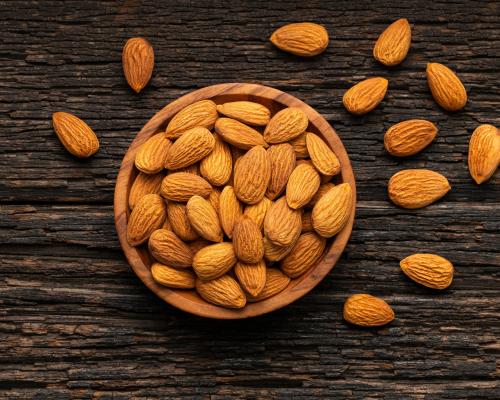
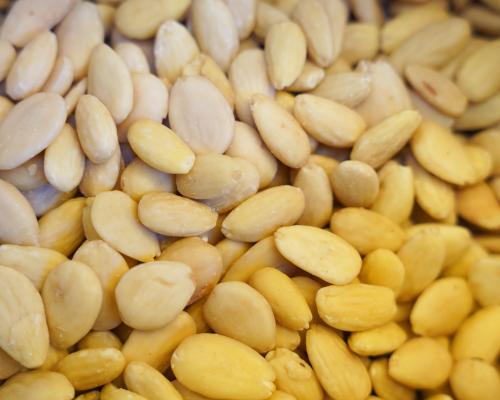
- Dried Figs as a Store of Energy: The habit of drying figs in the sun is an ancient practice in the Aegean, allowing food to be preserved for the winter months. Dried figs, stuffed with walnuts or almonds, are a traditional sweet for Christmas or other festivities, replacing expensive sugary confections.
Health Benefits: Figs are an excellent source of calcium (half a cup of figs equals the calcium in half a cup of milk), magnesium and polyphenols, which make them a powerful weapon against osteoporosis, osteopenia and oxidative stress. Prickly pears, rich in dietary fiber and pectin, help reduce cholesterol and blood glucose (hypoglycemic properties), while magnesium is vital for the functioning of the nervous system.
Health Benefits: Figs are an excellent source of calcium (half a cup of figs equals the calcium in half a cup of milk), magnesium and polyphenols, which make them a powerful weapon against osteoporosis, osteopenia and oxidative stress. Prickly pears, rich in dietary fiber and pectin, help reduce cholesterol and blood glucose (hypoglycemic properties), while magnesium is vital for the functioning of the nervous system.