Hollow macaroni
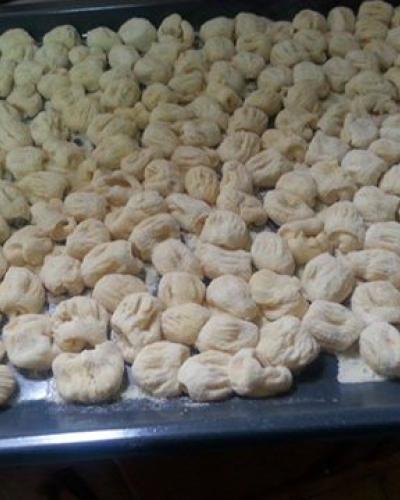
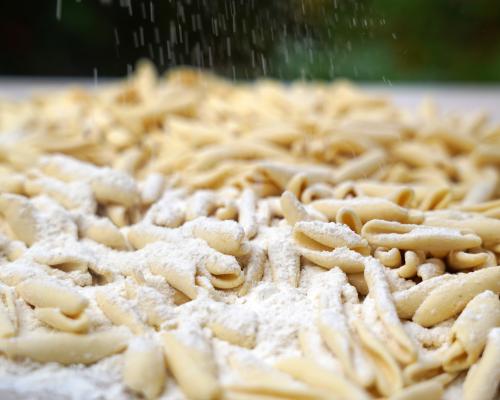
Hollow macaroni of Psara is a distinctive and special type of handmade pasta, deeply rooted in the traditional gastronomy of the historic island of Psara in the Northern Aegean. Its name derives from its particular shape, as it is a thick, short pasta that is hollow in the middle. This structure is not accidental, but constitutes its principal functional characteristic, since it allows the pasta to hold rich and thick sauces perfectly, whether tomato-based or white, offering an intense and uniform taste experience in every bite. Its preparation, traditionally passed down from housewife to housewife, reflects the simplicity and self-sufficiency of island cuisine.
The product is officially called Koufota Macaroni or Psara Koufota Macaroni. Its uniqueness lies in the traditional technique of its production, which sets it apart from standardized pasta. It is a thick pasta usually made only from wheat flour (or durum wheat semolina), water and sometimes a little oil, without the addition of eggs or milk, characteristics that are in keeping with the frugal, traditional diet of the islands. Its shape is what makes it ideal for absorbing sauce both on the outside and on the inside, creating a dish with an intense and full flavor.
Hollow macaroni is inextricably linked with Psara, a small but historic island of the Aegean, which belongs to the North-Eastern Aegean island complex. The nature of the island is rocky and barren, with limited arable land. This geographical and climatic environment, with its lack of large water resources and high salinity, shaped a cuisine based on self-sufficiency and long-term food preservation. The need for durable and nutritious foods that could be prepared with the few available ingredients (mainly wheat, water, oil) explains the preservation of the traditional recipe for hollow macaroni.
The production of hollow pasta on Psara follows an authentic, handmade process that has remained unchanged over the centuries and is taught empirically from generation to generation. The basic dough is made with wheat flour (or durum wheat semolina) and warm water, often with the addition of a small amount of olive oil to make the dough more pliable. After kneading, the “hollowing” process is the key: the dough is shaped into long, thin rods, which are then cut into small pieces. Each piece is “hollowed” with a specific motion, usually using a thin wooden stick or a straw, passing the dough over it and pulling it out, thus creating the characteristic hollow shape. This handmade technique, which requires skill, ensures their unique texture and form. The pasta is then left to dry (gentle drying), usually spread out on clean cloths, a process that makes it long-lasting and ready for storage.
Hollow macaroni plays an important cultural and economic role for Psara, especially in terms of gastronomic identity and local development. Preserving the traditional recipe and preparation technique is part of the island’s intangible cultural heritage. From an economic perspective, the existence of this unique local product enhances the tourist experience. Although its production remains largely domestic or small-scale, its promotion to visitors and its sale at local outlets (e.g., bakeries or grocery stores) help preserve traditional occupations, such as that of the female baker, and strengthen the local economy and the island’s self-sufficiency. Its reputation, together with other local products such as lobster and honey, makes Psara a gastronomic destination.
The history of hollow macaroni in Psara is directly linked to the broader history of pasta in the Greek world, which has its roots in antiquity (Hephaestus is said to have created a tool for “cords of dough”). In Psara, however, the tradition of this pasta appears to be centuries old, as it met the needs of sailors and islanders for a food that could be easily prepared, had a long shelf life, and provided the necessary energy. The simplicity of the ingredients reflects the harsh conditions of island life, where access to a variety of foods was limited, especially after the destruction of the island in 1824. Hollow macaroni thus constitutes a gastronomic heirloom, a symbol of survival and of the preservation of the cultural identity of the people of Psara.
Hollow macaroni are not just an everyday meal, but are also linked with certain local customs, mainly revolving around family and communal preparation. The process of hand-making the hollow pasta was traditionally an opportunity for the island’s women to cooperate, socialize, and pass the technique on to younger generations, functioning as an informal circle of education and preservation of tradition. The preparation of a large quantity of hollow pasta served as a form of provisioning for periods of fasting or for the winter, ensuring the family’s food security. In addition, hollow macaroni constitute a traditional dish that is often served at celebrations and family gatherings, although no specific, unique customs or rituals are found that are exclusively associated with it.
Hollow pasta, as a durum wheat pasta, is an excellent source of complex carbohydrates, which are the main source of energy for the human body. Given their traditional composition (durum wheat semolina, water, possibly oil) and the absence of eggs and milk, they present a nutritional profile that typically includes:
- Carbohydrates: High content, mainly in the form of starch, providing a gradual release of energy.
- Proteins: Moderate content, mainly gluten, essential for the growth and repair of tissues.
- Fats: Low fat content, unless olive oil is added to the dough.
- Dietary fiber: They contain a moderate amount of dietary fiber, which contributes to the health of the digestive system.
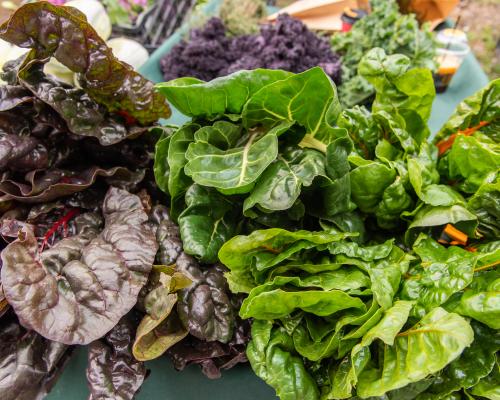
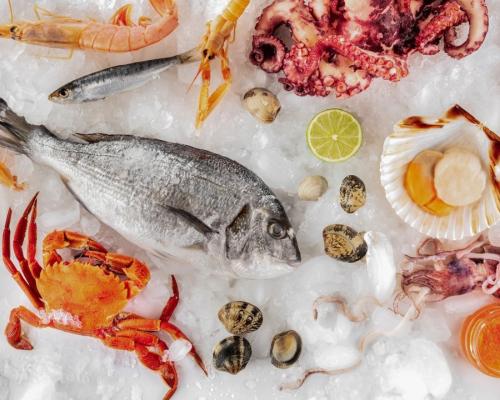
- Bioactive compounds: They are rich in B-complex vitamins (especially niacin and folic acid) and minerals such as iron and magnesium, which derive from durum wheat semolina. Their consumption, especially as part of a Mediterranean diet with rich tomato or seafood sauces, enhances the intake of antioxidants and essential macronutrients.
Hollow pasta, as a durum wheat pasta, is an excellent source of complex carbohydrates, which are the main source of energy for the human body. Given their traditional composition (durum wheat semolina, water, possibly oil) and the absence of eggs and milk, they present a nutritional profile that typically includes:
- Carbohydrates: High content, mainly in the form of starch, providing a gradual release of energy.
- Proteins: Moderate content, mainly gluten, essential for the growth and repair of tissues.
- Fats: Low fat content, unless olive oil is added to the dough.
- Dietary fiber: They contain a moderate amount of dietary fiber, which contributes to the health of the digestive system.
- Bioactive compounds: They are rich in B-complex vitamins (especially niacin and folic acid) and minerals such as iron and magnesium, which derive from durum wheat semolina. Their consumption, especially as part of a Mediterranean diet with rich tomato or seafood sauces, enhances the intake of antioxidants and essential macronutrients.