Flomaria
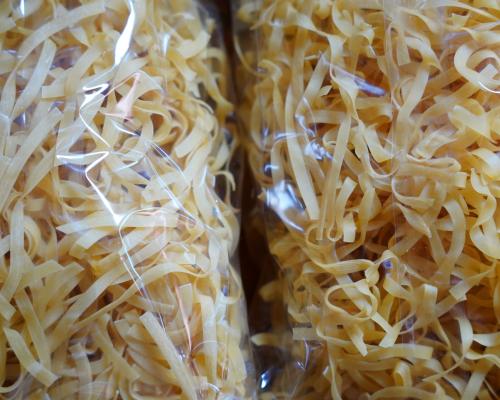
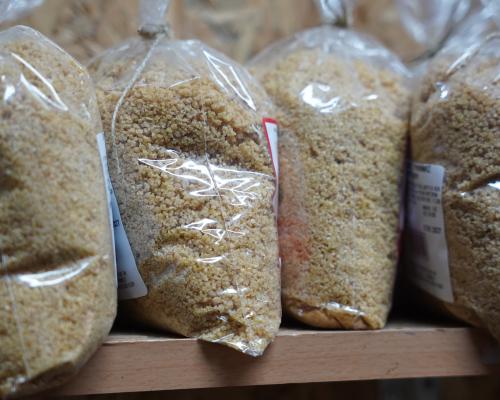
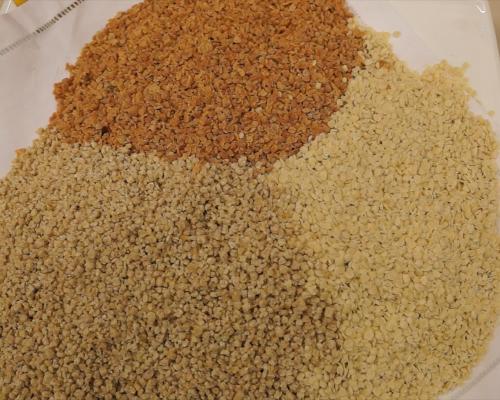
Flomaria are the traditional pasta of Lemnos and constitute one of the most emblematic products of the island’s gastronomic identity. Their name derives from the process of “flomoma” (rolling out the dough into a sheet), and their production is based on a simple yet rich recipe that uses exclusively local raw materials. Specifically, the dough is made from yellow durum wheat flour from Lemnos (often from the local variety “Lemnos”), fresh free-range eggs, and local milk (sheep’s or cow’s). The final product takes the form of thin, flat strips (resembling matchsticks or tagliatelle, depending on how they are cut), with a characteristically full flavor and an excellent ability to absorb sauces.
Flomaria of Lemnos are a unique type of traditional Greek pasta, distinguished by the use of flour and not exclusively semolina, as is the case with most commercial pasta. Their base is yellow durum wheat flour derived from the renowned local wheat varieties of Lemnos (such as the “Lemnos” variety or “Mavragani”), which impart to the pasta a distinctive flavor and high nutritional value. The eggs and milk used come from local livestock farming, thereby completing the production cycle with raw materials sourced from the island. Their dough is rich (egg-based) and firm, while the cut varies in size, ranging from fine (resembling hilopites or orzo), to medium and wide (resembling tagliatelle).
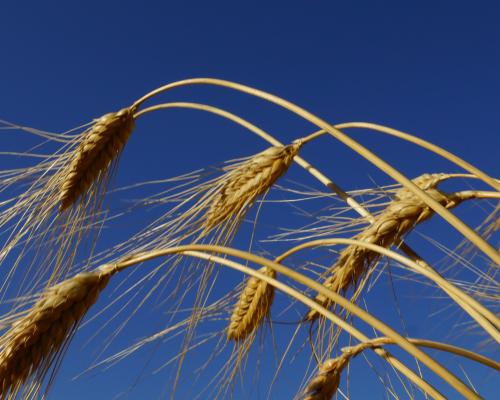
Flomaria are inextricably linked to the island of Lemnos, a place with an age-old tradition in cereal cultivation, known as the “granary of the Aegean.” The geographical area of Lemnos, with its fertile soils and dry, warm climate, is ideal for the cultivation of high-quality durum wheat, which forms the core of Flomaria. The raw materials of Flomaria—the flour, milk, and eggs—are sourced entirely from Lemnos, ensuring a final product that is directly connected to the island’s environment and agricultural production.
The production method of Flomaria follows the traditional process of egg pasta with significant emphasis on local raw materials. The process begins with mixing the basic ingredients: wheat flour (often from local varieties such as mavragani), semolina, fresh eggs and fresh milk (sheep’s or cow’s). Kneading is traditionally done with the aim of creating a firm and elastic dough.
The critical stage is rolling out and cutting. The dough is rolled out into thin sheets, a process that in the past was done exclusively by hand by housewives. The sheets were then left to dry slightly and were subsequently cut into very thin strips or small pieces – fine, medium or wide flomaria. This cutting was considered a measure of the housewife’s skill.
The final phase is drying and storage. Traditionally, the preparation of Flomaria took place during the summer months (July–August) to ensure proper and complete drying under the sun. After drying, the pasta was stored in fabric bags to be consumed throughout the winter, serving as a quick and nutritious base for the family’s meals. Today, artisanal production follows the same steps, using modern means for kneading and cutting, while preserving the quality of the raw materials and the natural drying method.
Flomaria have a deep and multifaceted impact on the social and economic life of Lemnos. Economically, they strengthen local agricultural production by creating a value chain that starts with the grain producers (such as mavragani), the livestock breeders for milk, and the egg producers. Their production constitutes a significant part of the island’s artisanal food processing, with local businesses having invested in preserving and promoting the product, providing jobs and contributing to the local economy.
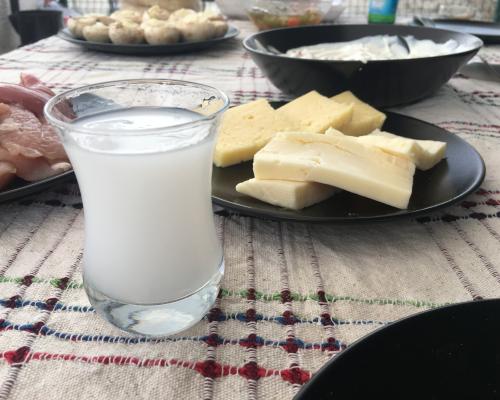
Beyond the economic benefit, Flomaria serve as an ambassador of Lemnian gastronomy and its rural identity. Their connection with local products (such as Melichloro cheese and meats) and traditional recipes (such as rooster with flomaria) keeps the island’s cultural heritage alive. The possibility for visitors to watch or even take part in their preparation process, as offered by certain local bakeries and workshops, integrates Flomaria into the experiential tourism of Lemnos, showcasing its authentic agri-food wealth.
The history of Flomaria in Lemnos is closely linked to the island’s grain-producing tradition, which dates back to antiquity. As Lemnos has always been an important grain-producing area, flour-based products, such as pasta, were a basic component of the inhabitants’ diet. Flomaria, as an egg pasta, were an ingenious way of making use of the abundance of eggs and milk during their peak production period (spring–summer), turning them into a storable, long-lasting food for the needs of the winter.
Their preparation was not just a task, but an important social and cultural event. Housewives would gather together, moving from house to house during the summer months to knead, roll out and cut the flomaria for the whole family, a process that resembled a celebration. During this “gathering,” they would sing, chat and exchange knowledge, with the cutting of the flomaria serving as a measure of each housewife’s skill and dexterity. This practice strengthened social bonds and passed down the art of preparation from generation to generation, making Flomaria not only a gastronomic tradition, but also a symbol of the collectivity and rural life of the island.
The most characteristic custom associated with Flomaria is their communal preparation. As mentioned above, the women of the villages gathered in one house, usually after the wheat harvest, to make the large quantities of pasta that would provide food for the family during the cold months. This gathering had a ritual character, including songs, storytelling and, at the end, a common meal with the first freshly cut flomaria.
In addition, Flomaria were traditionally the dish of major feasts and festivals in Lemnos. The classic dish of rooster (or “pet’nou” in the Lemnian dialect) in red sauce with flomaria was the crowning glory of festive tables, such as on the feasts of Saint Panteleimon and the Virgin Mary. This gastronomic tradition highlights the importance of the pasta as a food-symbol of abundance and prosperity that came from the very soil of the island.
Flomaria of Lemnos have received distinctions in international taste competitions, showcasing their high quality.
- Great Taste Awards
- Product: Flomari of Lemnos (e.g., “Poriazis Family – Lemnos”)
- Year: 2018 (the Flomari of the “Poriazis Family – Lemnos” was awarded)
Lemnos Flomaria, as an egg pasta made with the addition of milk and eggs, display increased nutritional value compared to simple pasta that contains only flour and water. Their nutritional composition is rich in important macronutrients, making them a complete and filling meal.
The addition of eggs and milk significantly increases the content of high biological value proteins, as well as vitamins (such as B-complex vitamins) and minerals. Durum wheat flour, especially from the local mavragani, provides complex carbohydrates, which are the main source of energy, and dietary fiber. The fat content is moderate and comes mainly from the milk and egg yolks, while the pasta is rich in amino acids due to the synergy of the proteins of wheat, milk and eggs.
Lemnos Flomaria, as an egg pasta made with the addition of milk and eggs, display increased nutritional value compared to simple pasta that contains only flour and water. Their nutritional composition is rich in important macronutrients, making them a complete and filling meal.
The addition of eggs and milk significantly increases the content of high biological value proteins, as well as vitamins (such as B-complex vitamins) and minerals. Durum wheat flour, especially from the local mavragani, provides complex carbohydrates, which are the main source of energy, and dietary fiber. The fat content is moderate and comes mainly from the milk and egg yolks, while the pasta is rich in amino acids due to the synergy of the proteins of wheat, milk and eggs.