Aftoudia
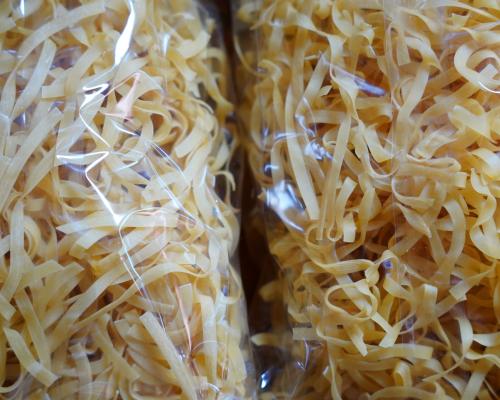
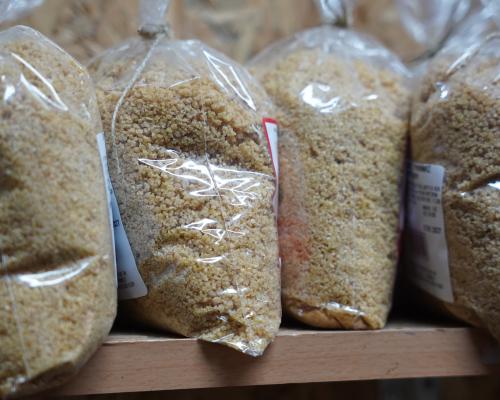
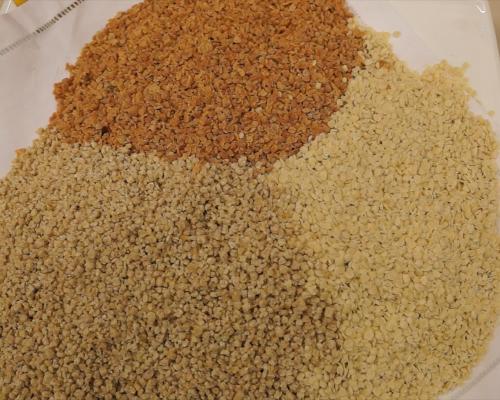
Aftoudia are one of the most distinctive and traditional handmade pastas of Lemnos, forming an integral part of the island’s gastronomy. They are small, square or diamond-shaped pieces of pasta which, through a special traditional technique, acquire a characteristic indentation or hollow in their center. Their name, Aftoudia, refers precisely to this shape. As with Flomaria, their preparation relies exclusively on local raw materials from Lemnos, mainly hard wheat flour (or Mavragani) and water, without the addition of eggs and milk in the basic, Lenten recipe, although there are also variations that include eggs and milk.
Aftoudia are widely known in Lemnos also by the synonymous name Valanes or Lemnian Valanes, while in some areas they are referred to as Makarounes. Their uniqueness lies primarily in the shape and composition of the dough.
Shape and Composition Specifications
- Shape: Aftoudia have the shape of a small, irregular square or cube, with a hollowed-out center. This indentation is achieved by the traditional pressing of the dough with the finger. This shape allows the pasta to hold sauce or grated cheese and melted butter excellently, offering a rich taste experience in every bite.
Composition: Their basic, traditional recipe is simple, consisting of hard wheat flour from Lemnos (from local varieties such as Mavragani or Lemnos), salt, and water. This Lenten form differentiates them from the richer Flomaria, making them ideal for consumption with grape molasses or on their own. Nevertheless, some producers also use dough with eggs and milk to add extra flavor intensity.
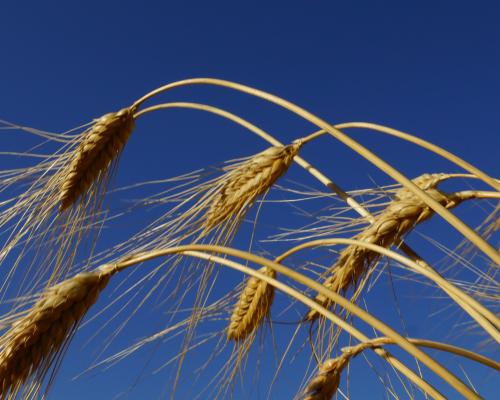
The production of Aftoudia is closely linked to the agrarian tradition of the island of Lemnos. The island, known as the “granary of the Aegean,” provides the main raw material: yellow hard-wheat flour. The volcanic soil and the dry, warm climate of Lemnos favor the cultivation of cereals with high protein content and intense aromas, such as Mavragani, which is the ideal base for Aftoudia. Local production ensures the authenticity and indigenous character of this pasta.
The preparation of Avoudia is an entirely handmade process, passed down from generation to generation, and constitutes a classic example of Lemnian household processing.
Production Method
- Kneading: The hard wheat flour is mixed with water and salt (in its most Lenten and traditional form) until a firm, non-sticky dough is created. This dough is left to rest for a short period of time.
- Rolling and Cutting: The dough is rolled out into a thin sheet, about 1.5–2 mm thick, either with a rolling pin or with a machine. Then the sheet is cut into small square pieces, each side approximately 1.5 cm.
- The Characteristic Shape (Avoudia/Valanes): The defining stage is the shaping. Each square piece of dough is pressed in the center with the middle finger and pulled slightly toward the maker, creating a characteristic hollow or indentation (hence the name “Avoudia” or “Valanes”). This handmade technique is what gives them their authentic texture and their ability to hold sauce.
- Drying (Storage): The shaped Avoudia are spread out on clean surfaces, often sprinkled with corn starch or cornflour (the traditional way to prevent sticking), and dried naturally in the air and the summer sun of Lemnos, just like Flomaria. Proper drying is essential for preserving the product.
Standardization
The dried Avoudia are packaged and standardized by local pasta workshops, maintaining reference to the traditional production methods and the use of Lemnos Flour.
Avtoudia, as a handmade pasta, keep alive the link between the agricultural sector and artisan processing on Lemnos. Their production directly supports local wheat growers and the mills that process the local durum varieties (Mavragani, Lemnos). In addition, the exclusively handmade process of shaping them preserves a part of the island’s cultural heritage, offering a product of high added value that differentiates Lemnian gastronomy from that of other regions.
Avtoudia or Valanes, together with Flomaria, are among the oldest and most traditional types of pasta made in Lemnian households. Their production formed part of the island’s domestic self-sufficiency. In the past, every family made sure to have sufficient quantities of dried pasta to get through the winter. The hollowing technique, although time-consuming, was crucial, while women would gather in “synergies” (working groups) to complete the process. The fact that their basic recipe is lenten (flour, water, salt) indicates their original use as an economical, filling dish, ideal for fasting periods.
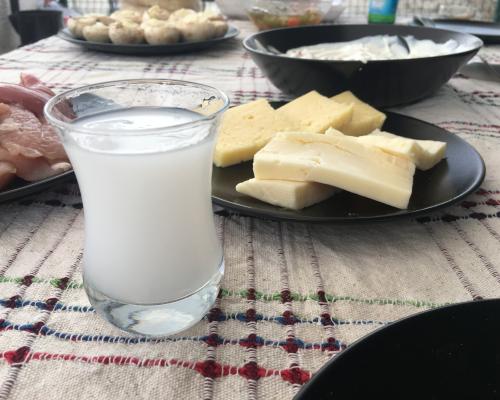
Avtoudia hold a special place in the customs of Lemnos, mainly due to their simple composition, which allows them to be eaten during fasting periods. However, their most characteristic use is with grape molasses or with butter and cheese. In traditional Lemnian cuisine, Avtoudia were the quick yet nutritious everyday meal. In particular, eating them with grape molasses (grape syrup) is an old custom that ranks them among the simple, traditional sweets of poorer times, in contrast to Avtoudia with browned butter and cheese, which were the more “luxurious” version for non-fasting days.
Due to the use of durum wheat (such as Mavragani), they have a noteworthy content of plant protein. When prepared with eggs, the protein content is clearly higher and of better biological value.
Due to the use of durum wheat (such as Mavragani), they have a noteworthy content of plant protein. When prepared with eggs, the protein content is clearly higher and of better biological value.