Ikaria’s Pramnian Wine
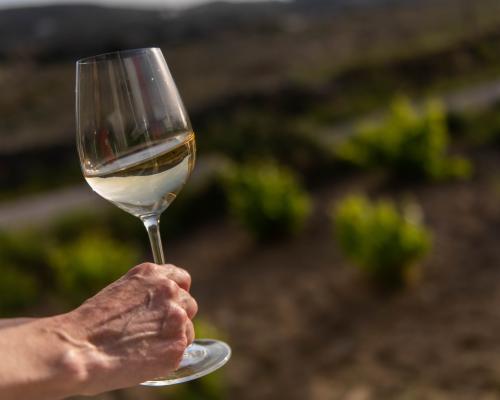
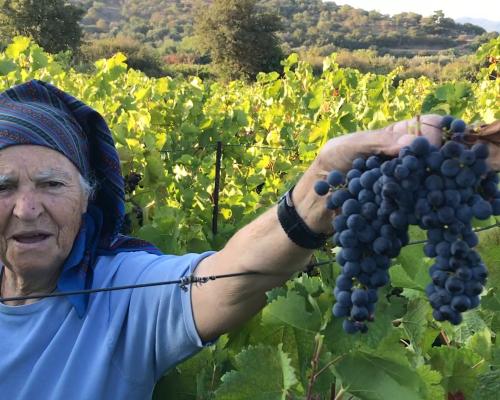
Ikaria’s Pramnian Wine is a historical legend of the Greek vineyard, directly linked to the worship of Dionysus and already mentioned in Homer’s Odyssey and Iliad, making it one of the oldest recorded wines of the ancient world. Today, the tradition of Pramnian Wine continues through the production of wines with Protected Geographical Indication (P.G.I.) Ikaria, which are based mainly on the indigenous varieties Fokiano (red) and Begleri (white). These wines are an integral part of the diet of the Ikarians, a fact highlighted by Blue Zone researchers as one of the factors contributing to the island’s inhabitants’ exceptional longevity. Winemaking in Ikaria is characterized by adherence to traditional practices, such as cultivation on terraces and the use of clay jars for fermentation.
The uniqueness of Ikarian wine lies in its unbreakable connection to the mythical Pramnian Wine of antiquity and in the exclusive use of indigenous Aegean varieties that have adapted to the island’s distinctive microclimate.
- Identification: The product is identified as P.G.I. Ikaria Wine (Protected Geographical Indication). The ancient wine was called Pramnian Wine, described as “harsh and austere,” a naturally high-alcohol dry wine.
- Main Varieties: The two most important indigenous varieties used today, forming the core of the Ikarian vineyard, are the red Fokiano and the white Begleri.
- PDO/PGI Status: The area has the status of Protected Geographical Indication (P.G.I.) Ikaria.
- Scheme: P.G.I. (PGI - Protected Geographical Indication).
- Basic Specifications: The delimited production area includes parts of the island at an altitude of 50 to 800 meters. White, rosé and red wines (dry, semi-dry, semi-sweet) are permitted, produced from fresh grapes of the authorized varieties:
- Whites: Begleri, Athiri, Assyrtiko.
- Reds: Fokiano, Vaftra, Mandilaria.
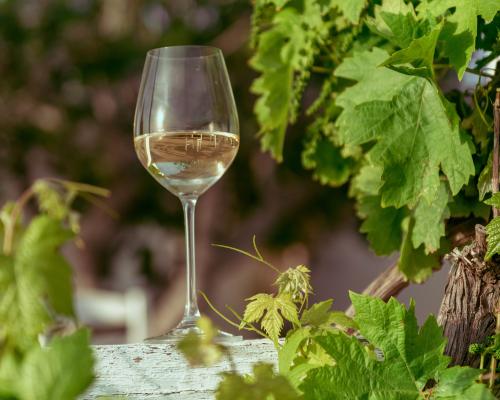
- Organoleptic Characteristics: Fokiano yields wines with a distinctive aroma, full flavor and long aftertaste, while Begleri produces white wines with an intense, aromatic and complex character and a refreshing finish.
The geographical production area of P.G.I. Ikaria includes the entire island of Ikaria, with its distinctive soil and climatic conditions playing a decisive role in shaping the character of the wine.
- Relief and Vineyards: The island is highly mountainous, with most vineyards located on sloping terrain, laid out in narrow terraces (ochtés in the local dialect) overlooking the Ikarian Sea. This layout hinders mechanization and favors manual cultivation, which has a low yield per stremma (usually below 500 kg/stremma).
- Soil: The soils are stony and poor, forcing the vine to develop a deep root system, resulting in grapes with concentrated aroma and flavor.
- Climate and Sea: The Mediterranean microclimate, strongly influenced by the proximity to the sea, is characterized by mild winters and cool summers. The beneficial effect of the winds of the Ikarian Sea contributes to the sanitary control of the vineyards.
The production method of Ikarian wine preserves traditional techniques with an emphasis on organic cultivation and minimal intervention, reflecting the lifestyle of the Blue Zone.
- Cultivation Method: Cultivation is often carried out with organic practices (due to isolation and tradition), without the systematic use of synthetic chemicals. The slopes are managed with amphitheatrical terraces, which ensure good aeration and drainage.
- Harvest: The grape harvest is done by hand, due to the mountainous terrain, and with particular care, aiming at the optimal ripening of the fruit.
- Vinification – The Tradition of Pitharia: One of the most distinctive features is the traditional vinification in brick or clay jars (“pitharia” or “voutsia”) partially buried in the ground (pythostasi). This method, which dates back to antiquity, allows fermentation and maturation at a stable, natural temperature, while the participation of indigenous wild yeasts formed in the island’s unique terroir lends the wine a distinctive and complex character.
- Maturation/Aging: Some red wines, especially from Fokiano, are first aged in oak barrels (e.g., of French manufacture) and then in the bottle, developing complexity. Other wines, particularly whites, are wines of minimal intervention.
Winemaking has a dual impact on Ikaria: economic and cultural.
- Economic Support: The cultivation of indigenous varieties and the production of PGI Ikaria wine create added value for the agricultural product, providing income for vine growers and strengthening the small local economy.
- Preservation of the Rural Landscape: The preservation of vineyards on terraces on the mountain slopes is critical for protecting the soil against erosion and for maintaining the island’s characteristic rural landscape.
- Blue Zone Identity: Wine acts as an ambassador of Ikaria’s identity as a Blue Zone. The recognized quality and the history of Pramnian Wine promote the island internationally as a model of a healthy lifestyle and diet.
The history of Ikarian wine is mythical and centuries‑old, beginning in antiquity.
- Mythology and Antiquity: Since ancient times, Ikaria has been associated with the god Dionysus (legend has it that the god taught the Ikarians the art of winemaking) and was formerly called Makris, a name linked to Makrida, Dionysus’ nurse. Pramnian Wine is mentioned by Homer in the Iliad and the Odyssey, as well as by ancient writers such as Hippocrates and Galen for its medicinal properties.
- Character: Pramnian Wine was described as “harsh and austere,” meaning dry and strong (high in alcohol). The name probably derives from Mount Pramne in Ikaria or from the word “pramnein” (which means “to go mad from wine”).
- Continuity: European travelers, from the 15th century onwards, confirmed the continuity of viticulture and wine production in clay vessels buried in the ground, a practice that is still maintained today by certain wineries.
Wine in Ikaria is not just a drink, but a way of life and a cultural constant.
- Everyday Consumption: Consumption of local wine, usually homemade and in bulk form, is part of the daily diet of the Ikarians, always accompanied by food and enjoyed in moderation. This habit, combined with their diet, is one of the factors associated with their health and longevity.
- Banquets and Festivals: Ikarian wine is the key element in all the island’s traditional festivals, where it flows in abundance, reinforcing the spirit of community participation and relaxation that characterizes the island’s culture.
- Handcrafted Approach: The process of the grape harvest and winemaking often remains a family ritual, preserving traditional know‑how and bonds with the land.
Although production is relatively small, modern wines of Ikaria, especially those from the varieties Fokiano and Begleri, have begun to gain recognition in national and international competitions. Individual wineries of Ikaria have received distinctions in competitions such as the Decanter World Wine Awards and the Thessaloniki International Wine & Spirits Competition, mainly for red wines from Fokiano and white wines from Begleri, confirming their high quality and unique character.