Katsikaki Limnou - Agios Efstratios
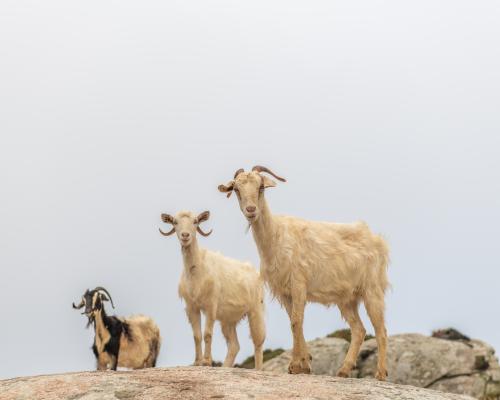
“Katsikaki Limnou” is a kid goat meat product that comes from young goats which are born and raised in the delimited geographical area of Lemnos and Agios Efstratios. Its production is based on traditional and extensive free-range practices on the natural pastures of the two islands. Livestock farming is one of the main economic activities on Agios Efstratios, with the island’s many grazing lands playing a decisive role in the quality of the meat produced. The final product is distinguished by its tenderness, juicy texture and distinctive, pleasant aroma and taste, which are directly attributed to the diverse flora of the pastures.
The product is officially recognized as a Protected Geographical Indication (PGI) under the name “Κατσικάκι Λήμνου / Katsikaki Limnou”. This recognition was secured through an implementing regulation of the European Union.
- Identification: The official name is “Κατσικάκι Λήμνου / Katsikaki Limnou”. The delimited geographical area explicitly includes Agios Efstratios.
- PDO/PGI status: Protected Geographical Indication (PGI).
- Year / Regulation: The registration was made by Commission Implementing Regulation (EU) No 2022/2275 of 24 November 2022, which registers the name in the PDO/PGI register.
- Key specifications: The use of the name is permitted exclusively for kids (young goats) that are born, raised and slaughtered within the delimited geographical area (Lemnos and Agios Efstratios). The ancestral goats must also have been born and raised in the same area. The meat is characterized by its high fat content compared to the general average of goat carcasses, a feature that is decisive for its organoleptic characteristics, such as taste and aroma.
The geographical production area of “Katsikaki Limnou” includes the whole of the island of Limnos and the whole of the island of Agios Efstratios (Ai Stratis). The area is characterized by high grazing capacity and the presence of a varied flora of aromatic plants. Agios Efstratios has extensive pastures, while in the southeastern part of the island an oak forest predominates, imparting unique features to the animals’ diet. The island’s geological characteristics, being mainly hilly and of volcanic origin, combined with the Mediterranean climate and relative isolation, have shaped an indigenous flora that forms the basis of livestock rearing, directly influencing the organoleptic characteristics of the fat and, by extension, the meat.
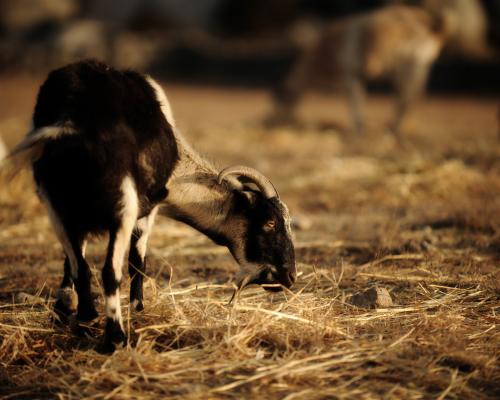
The rearing method of “Katsikaki Limnou/Agios Efstratios” is traditional and is based on extensive and free grazing.
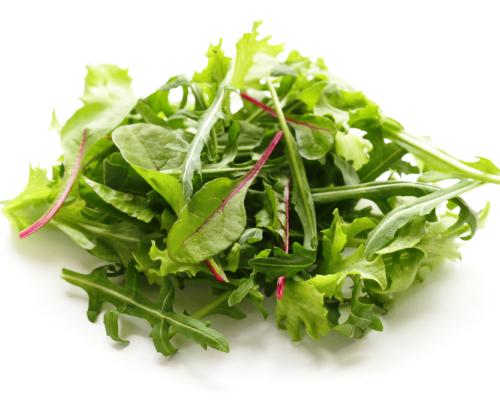
- Rearing and Feeding: The goats (breeding stock and kids) are reared mainly under free-grazing conditions on the island’s natural pastures, where they feed on the diverse flora, rich in aromatic plants. The animals’ free and extended access to the pastures is the determining factor for the organoleptic characteristics of the product, as the fat of the meat absorbs the aromas of the plants. Additionally, the goats’ diet is supplemented with mixtures consisting mainly of products produced within the delimited geographical area, such as cereal grains, legume seeds, cereal straw (mainly durum wheat), alfalfa and products of oilseeds.
- Breed of Animals: Although no specific indigenous goat breed for Agios Efstratios is explicitly mentioned in the PGI dossier, the practice of extensive rearing and free grazing implies the use of indigenous or adapted Aegean breeds that are resistant to local conditions and capable of exploiting the island’s sparse vegetation.
- Slaughter: The production process (birth, rearing, slaughter, bleeding, skinning, evisceration) must be carried out exclusively within the delimited geographical area (Limnos and Agios Efstratios). The carcass is usually relatively heavy (weight greater than 8 kg) due to the choice of slaughter age.
Livestock farming, and in particular the production of “Lemnos/Agios Efstratios Kid Goat”, together with fishing, is one of the main economic activities of the inhabitants of Agios Efstratios, contributing decisively to the economic viability of the isolated island.
- Economy and Employment: Extensive farming makes use of the wide-ranging pastures, which constitute a natural source of wealth. The maintenance of livestock farming activity contributes to the preservation of the primary sector and employment in the small settlement, reducing dependence on tourism or other activities.
- Environmental Management: Traditional free‑range grazing practices, in balance with the environment, help preserve the biodiversity of the pastures and avoid land degradation, acting as a natural form of vegetation management, which is particularly important on an island with unique ecosystems, such as the oak forest.
- Cultural Identity: Livestock farming is deeply rooted in the history and culture of Agios Efstratios (economic development since the 16th century), maintaining a rural identity and traditions associated with meat and local dairy products.
Livestock farming on Agios Efstratios has centuries‑old roots. The island’s economic development from the 16th century onwards is directly linked to livestock farming (and the collection of acorns).
- Economic Development: In contrast to the island’s modern history as a place of exile (also known as Ai Stratis), its economic base was built early on around livestock farming.
- Land Ownership: Historically, a large part of the land of Agios Efstratios belonged and still belongs to the Athonite Monasteries (Megisti Lavra, Dionysiou, Karakallou) since the 11th century, which lease it to the inhabitants. This peculiar land ownership structure influenced the way livestock farming developed, likely promoting a model of communal exploitation of the grazing lands.
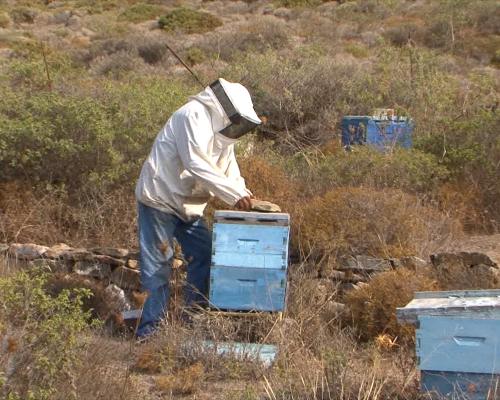
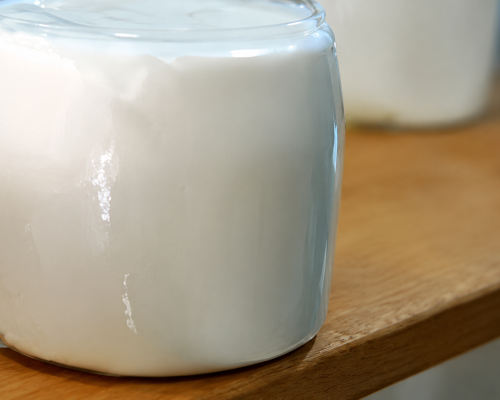
- Traditional Products: The production of local meat, mainly goat and lamb, is inextricably linked with the production of other renowned local products such as melichloro (cheese), anthotyro and myzithra, which come from the milk of the same goats.
Goat meat is a central element in the traditional festivities of Agios Efstratios, as it is in many parts of Greece.
- Easter: Roast lamb (or goat) was the official dish at the Resurrection table at Easter, highlighting the importance of the product in the local culinary tradition.
- Local Gastronomy: Goat and lamb meat are among the local meats of exceptional quality on the island and are cooked according to traditional recipes, using pure ingredients.
Official recognition as a Protected Geographical Indication (P.G.I.) is the most important distinction for the product, confirming its unique quality and its connection with the geographical area of Lemnos and Agios Efstratios.
- Distinction: Registration as a Protected Geographical Indication (P.G.I.).
- Organization/Body: European Commission.
- Year/Regulation: 2022 (Implementing Regulation (EU) 2022/2275).
- Level: European quality recognition.
Regulation link: TODO: Search for a direct link in the EU regulation (eAmbrosia).
“Lemnos/Agios Efstratios Kid Goat” stands out from other similar products due to its higher fat content, which is a key carrier of flavor and aroma.
- Composition Characteristics:
- Fat content: The total percentage of fat in the edible tissues ranges at high levels, from 4% to 11%, a value significantly higher than the general average of kid goat carcasses from other regions of Greece (which is around 1.2%) or even worldwide (2.7% to 3.7%). This increased fat is not limited only to intramuscular fat, but also includes substantial deposits of subcutaneous and perirenal fat.
- Color: The meat is mainly red to very pale pink in color, while its fat is pure white.
- Organoleptic properties: It is characterized as tender, juicy and mild, with a distinctive, characteristic and pleasant aroma and taste, due to the diet rich in aromatic plants.
“Lemnos/Agios Efstratios Kid Goat” stands out from other similar products due to its higher fat content, which is a key carrier of flavor and aroma.
- Composition Characteristics:
- Fat content: The total percentage of fat in the edible tissues ranges at high levels, from 4% to 11%, a value significantly higher than the general average of kid goat carcasses from other regions of Greece (which is around 1.2%) or even worldwide (2.7% to 3.7%). This increased fat is not limited only to intramuscular fat, but also includes substantial deposits of subcutaneous and perirenal fat.
- Color: The meat is mainly red to very pale pink in color, while its fat is pure white.
- Organoleptic properties: It is characterized as tender, juicy and mild, with a distinctive, characteristic and pleasant aroma and taste, due to the diet rich in aromatic plants.