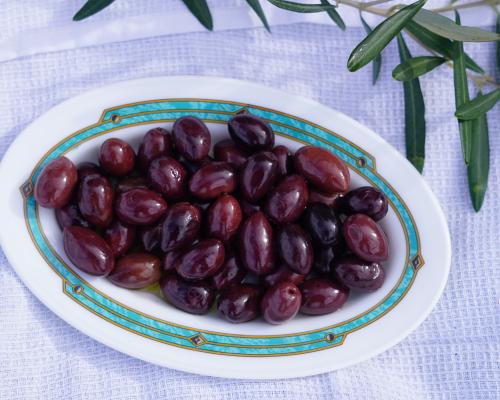
Lemnos Olive Oil
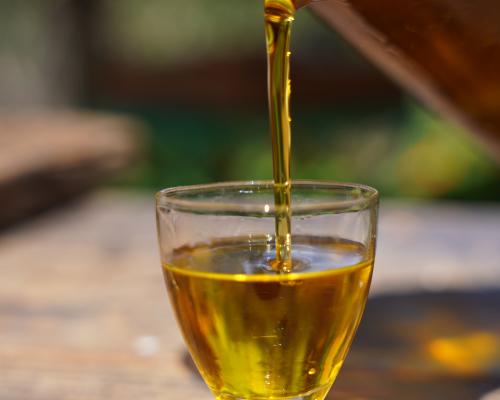
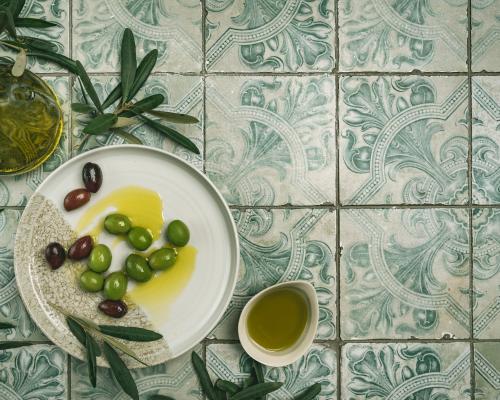
Lemnos Olive Oil is a product with increasing momentum in the local agricultural economy. Olive cultivation is being revived, with modern producers turning to more intensive and higher-quality methods, making use of the island’s mild soil and climatic conditions. Production focuses mainly on Extra Virgin Olive Oil (E.V.O.O.), with particular emphasis on early harvesting in order to maximize polyphenols and organoleptic characteristics.
The olive oil produced on Lemnos bears the name “Lemnos Olive Oil.” The uniqueness of the product lies primarily in the special combination of varieties cultivated, such as Koroneiki and Throubolia, which adapt to the local microclimate and yield oils with a distinct aromatic profile and a high concentration of bioactive compounds, especially when they are harvested early.
Lemnos is the eighth largest island of Greece and is characterized by the absence of large mountain ranges, featuring extensive arable land and pastures. The soil is mainly semi-volcanic, rich in mineral elements, with good drainage properties in many areas, a fact that favors the development of the olive tree, although olive growing is less widespread than on other Aegean islands.
The soil and climatic conditions of Lemnos are characterized by:
- Low humidity (especially in summer) and intense sunshine, factors that help reduce olive tree diseases.
- Strong winds, which can affect flowering and fruit set, but at the same time act as a natural regulator against the olive fruit fly.
- Temperature fluctuations (daily and seasonal) which, during the ripening period, can enhance the synthesis of phenolic compounds in the fruit, leading to olive oils with more intense organoleptic characteristics (bitter and pungent).
Olive groves are often located on slopes or in areas with good ventilation, as reported by producers who cultivate in regions such as Kontias, taking advantage of the island’s terrain.
Modern production of Lemnos Olive Oil adopts techniques that aim at high quality rather than volume, combining traditional practices with modern technology.
Cultivation and Harvest
- Varieties: The main cultivated varieties are Koroneiki, known for producing virgin olive oil with a high polyphenol content, and Throubolia (or Throuba). The adaptability of Koroneiki to the microclimate of Lemnos is key to the distinctive aromas of the final product.
- Harvest: The practice of early harvest is gaining ground (usually in early November, when the fruit is still “unripe” or green). This technique, although it reduces quantity, ensures low acidity and a higher concentration of polyphenols, which are the main factors that define high quality and the associated health claim.
- Harvesting Method: Hand-picking or mechanical means that do not damage the fruit are preferred, with the aim of preserving the integrity of the olive.
Olive Milling & Storage
- Immediate Transport and Milling: The fruit is transported to the olive mill immediately after harvest (within a few hours), a critical practice for avoiding oxidation and the increase of acidity.
- Olive Mill: The cold-press method (temperature below 27°C) is used in modern, accredited olive mills. Cold pressing is vital for preserving the volatile aromatic compounds and polyphenols, which are sensitive to heat.
- Storage: The olive oil is stored in stainless steel tanks with an inert gas (e.g., nitrogen) at a stable, low temperature and away from light, in order to protect it from oxidation and to preserve its organoleptic and nutritional characteristics for a longer period.
Olive production, although secondary compared to wheat cultivation and livestock farming, contributes substantially to the agricultural diversity and economic differentiation of Lemnos. The development of small, high-quality olive-milling units adds high added value to the agricultural product, creating a brand name for Lemnian olive oil. At the same time, the existence of visitable estates and olive mills strengthens agritourism and gastronomic tourism in Lemnos, offering visitors a complete experience beyond wine and fava. The shift towards quality, high polyphenol content and organic cultivation reinforces sustainable development and the environmental awareness of the local community.
Olive cultivation in Lemnos has a long, but not dominant, history. In contrast to wheat farming, which made Lemnos the “granary” of ancient Athens and Byzantium, the olive was cultivated more for local needs than for mass production. Olive growing has seen greater development in recent years, mainly after the recognition of the high quality of Greek olive oils. Today, the revival of olive cultivation is linked to a contemporary cultural heritage that honors the quality and value of liquid gold in the Mediterranean diet, incorporating olive oil into the list of the island’s emblematic products (such as wine, Afkos and kalathaki cheese).
Because olive cultivation was not the main agricultural activity, there are no recorded, distinct, exclusively local customs or traditions directly associated with the olive harvest in Lemnos, unlike in other parts of Greece. However, harvesting practices fall within the broader context of autumn and winter farm work, where cooperation and collective labor among families and neighbors are characteristic of the island’s rural life. The use of olive oil, however, is central in local cuisine and rituals, such as lighting oil lamps and preparing Lenten dishes.
Virgin Olive Oil of Lemnos, especially that from early harvest, possesses the generally high nutritional characteristics of V.O.O.
Virgin Olive Oil of Lemnos, especially that from early harvest, possesses the generally high nutritional characteristics of V.O.O.