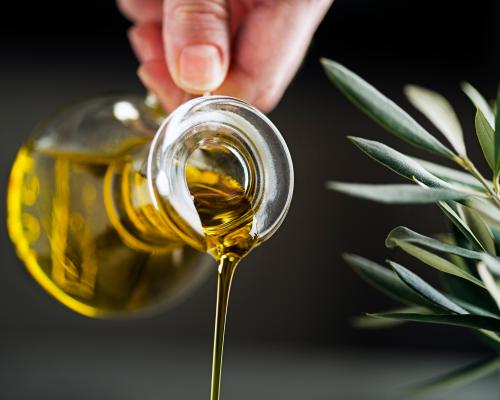
Samos Olive Oil
Samos Olive Oil is a product with a centuries‑old tradition on this Eastern Aegean island, which was famed for its olive groves already in antiquity, according to references by Homer and other classical writers. Olive oil production on Samos is characterized by a combination of traditional practices and modern cultivation methods, aiming to highlight the qualitative characteristics of the variety. The island’s total production is relatively limited, reaching about 2,500 tons of oil in good years, with significant fluctuations due to climatic conditions, such as the drought of recent years.
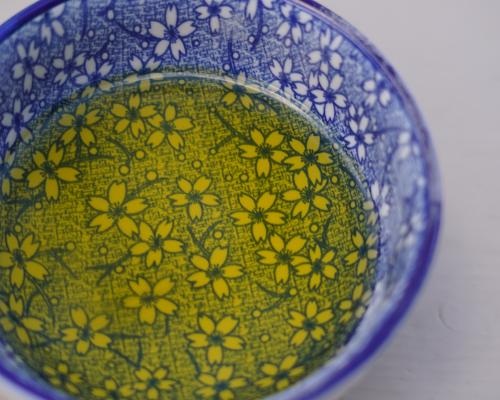
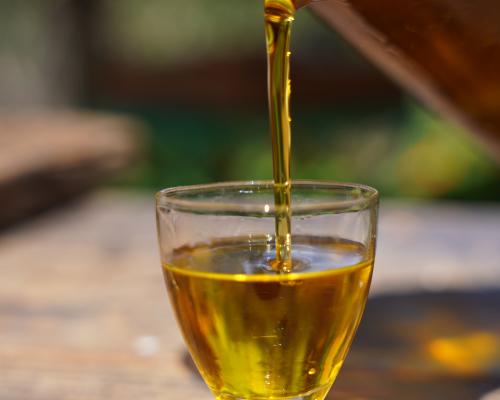
Samos olive oil stands out mainly because of the local Throumpolia or Throuma variety (synonyms: Askouda, Thasitiki, Ladolia, Ntopia, Xantholia, Rethymniotiki, Chondrolia), which is widely cultivated on the island, especially in the islands of the Aegean. Throumpolia is a dual‑purpose variety, known both for its table olives and for the high‑quality olive oil it produces, with a golden color, distinctive aromas, and a full flavor. Although a significant share of production today comes from the Koroneiki variety, producers often seek to combine the two varieties, in order to enhance the freshness of Koroneiki with the unique characteristics of the local Throumpolia.
PGI status
The olive oil of the prefecture of Samos has been recognized as a Product of Protected Geographical Indication (PGI) under the name “Samos.” This recognition is granted to agricultural products for which the specific quality, reputation or other characteristics can be attributed to that particular geographical origin, and the production, and/or processing, and/or preparation take place in that delimited geographical area.
- Protection Scheme: P.G.I. (Protected Geographical Indication).
- PGI “Samos” specifications: Olive oil bearing the indication “Samos PGI” is a product which, according to the specifications, must come exclusively from the “Throumpolia” 90% and Koroneiki 10% varieties of the islands of Samos and Ikaria, so as to ensure the inseparable link of the product with the geographical area and its unique local characteristics.
Samos offers a distinctive microclimate that has favored olive cultivation for centuries. Olive growing has developed in all areas of the island, on sloping lands between vineyards and forested zones with a pronounced vegetal mosaic, as well as in extensive olive groves such as in the plain of Chora, which includes several local communities (Chora, Myloi, Mavratzaioi, Pagondas, etc.), and the plain of Marathokampos (Marathokampos, Koumeika, Skoureika, etc.). The island is characterized by a highly varied relief, which, combined with its proximity to the sea and its trace‑element‑rich soil, shapes the unique organoleptic characteristics of the olive oil. The local Throumpolia variety is particularly adaptable and grows even at high altitudes, acclimatized to the distinctive soil and climatic conditions of the Aegean.
The production of Samian olive oil is based on the application of traditional techniques and modern quality standards, with the process being strictly controlled to produce Extra Virgin Olive Oil.
Cultivation and Harvesting
Olive groves in Samos are cultivated with methods that respect sustainability and the environment, with some units also applying organic practices. On the island, the olive oil producers’ group of the Olive Oil Agricultural Cooperative of Samos, as well as certified organic farmers, are active. The local Throumpolia variety is an upright‑branched tree, capable of reaching a height of 5–10 meters, making its cultivation demanding. Harvesting is carried out with mechanical olive harvesters and/or often by hand, especially for early harvesting, which ensures the maximum fruity character and the best possible chemical and organoleptic components of the oil. Emphasis is placed on proper packaging in plastic crates or breathable sacks and on the immediate transport of the fruit for milling, usually on the same day, so as to avoid the degradation of the olive oil’s quality characteristics.
Olive Milling, Processing and Storage
The pressing of the olives takes place in modern olive mills that operate in accordance with international food quality and safety standards. The critical phase of olive oil extraction is carried out cold (cold pressing) in closed malaxers, thus ensuring that all beneficial components (polyphenols, etc.) and the fruity character of the olive oil are preserved. Almost all olive mills have adopted the two-phase production line for environmental protection (avoidance of liquid waste) and better yield. After production, the olive oil is filtered and stored in stainless steel containers under controlled conditions, while each batch, before bottling, undergoes chemical analysis and a tasting test to ensure the absence of defects and the highlighting of its unique characteristics.
Olive cultivation on Samos constitutes a historical pillar of the island’s agricultural economy, despite the fact that its productive capacity is relatively small, reaching only 2,500 tons of oil in good years. The presence and continuous operation of the olive mills represent an important socio-economic factor, as they provide income to a large part of the rural population. The adoption of the PGI “Samos” scheme for olive oil from the local Throumpolia and Koroneiki varieties of the islands of Samos and Ikaria adds value to the product, enhances the island’s identity in international markets and contributes to the preservation of local biodiversity, encouraging the regeneration of local olive groves.
The history of olive cultivation on Samos is lost in the depths of the centuries, with ancient writers such as Homer, Aeschylus and Antiphanes speaking with admiration of olive-covered Samos and praising Samian olive oil, a fact that testifies to the island’s ancient tradition in the field. The cultivation of the olive tree has become part of the family history of many households, with some being active in olive oil production since the late 18th century. An important example of this age-old heritage is the “Olive Tree of Eva” in the village of Myloi, a centuries-old olive tree considered to be the oldest tree on the island, confirming the timeless relationship of the inhabitants of Samos with the olive. This tradition continues to this day, with modern production units drawing on the experience of their predecessors while at the same time applying contemporary methods.
Recognition of the quality of Samos Olive Oil comes mainly from its inclusion in the PGI scheme, which constitutes a certification of quality and origin at the European level. Many private production and standardization units on Samos, which make use of the local Throumpolia and Koroneiki varieties, have achieved significant distinctions in international competitions.
- International Competitions: Samian olive oil has won awards in global competitions such as the NYIOOC World Olive Oil Competition and the Olympia Health & Nutrition Awards.
- Quality Certifications: Beyond taste awards, many companies hold certifications such as ISO 22000:2005 for food safety and certifications for organic products (e.g., from the DIO Organization), underscoring their commitment to high standards of production and management.