Virgin olive oil Chios
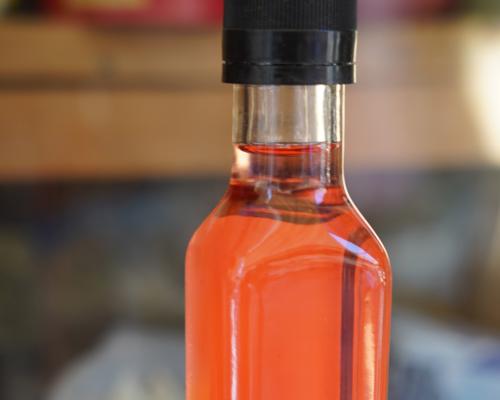
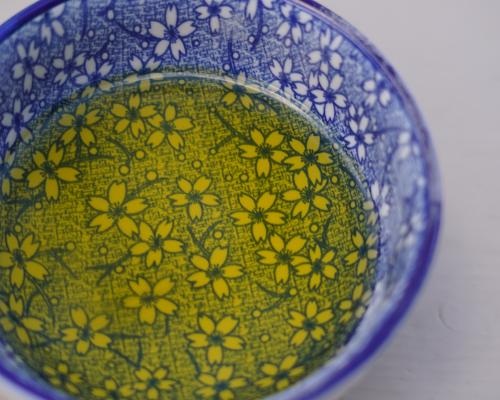
Virgin olive oil from Chios is a key element of the island’s local agricultural production and dietary heritage. The island’s olive groves produce a high-quality olive oil, distinguished by its light, aromatic profile, which is closely linked to the local olive varieties and the particular soil and climatic conditions of the Northeastern Aegean. Its production follows both modern cold-pressing methods and traditional practices, preserving the fruit’s valuable organoleptic and health-promoting characteristics.
The olive oil of Chios is produced mainly from the local varieties Adramytini (or Mytilinia) and Koroneiki, with Adramytini being the most widespread on the island and also cultivated on neighboring Lesvos. Adramytini is a medium-fruited variety that yields an olive oil of exceptional quality, blond, light and particularly aromatic, characteristics that make it unique compared to the more “green” and bitter oils of other regions of Greece.
Olive cultivation on Chios extends across various parts of the island, with olive trees thriving in areas with pronounced relief and near the sea, conditions that influence the distinctive microclimate and soil profile. The soils of Chios, often dry and stony, combined with the Aegean climate characterized by mild winters and dry summers, contribute to the concentration of the fruit’s aromatic and phenolic compounds. The Adramytini variety has adapted excellently to these conditions, showing satisfactory resistance to cold and strong winds, although it does require soil moisture for maximum yield. The geographical isolation of the island and its centuries-old agricultural tradition, although dominated by mastic cultivation in the south, preserve a particular expertise (know-how) in olive growing.
Method of Cultivation
The cultivation of olive trees on Chios, especially of the Adramyttini variety, is characterized by adaptation to dry conditions, although irrigation is applied wherever feasible to improve fruit set. Harvest traditionally began in the autumn. For the production of extra virgin olive oil, the trend is toward early harvesting (agoureleo) during the months of October and November, when the fruit is still unripe or semi-ripe. This practice ensures maximum content of polyphenols and other antioxidants, producing an oil with more intense, fruity and pungent characteristics. Producers often use modern collection nets and mechanical harvesters, while hand-picking is applied in more inaccessible areas or for selected quantities, reflecting a combination of traditional and modern techniques.
Olive Oil Extraction Method
Modern production of Chios Olive Oil focuses on cold pressing (temperature below 27°C), a process of vital importance for preserving the quality and the healthy components of the fruit.
- Transport and Processing: The fruit is transported to the mill immediately after harvesting to avoid oxidation and an increase in acidity. There, cleaning and washing are carried out.
- Crushing and Malaxation (Kneading): The clean fruit is crushed into a paste. The paste is then subjected to malaxation (kneading) for a short period (usually < 30–45 minutes) and at low temperature. The low temperature during malaxation is critical for preserving the volatile aromatic compounds.
- Extraction (Separation): The olive oil is extracted from the paste exclusively by mechanical means, through centrifugation, separating the oil from the water and the olive pomace. The use of successive presses (traditional pressing system) has now been replaced by modern centrifugation systems for reasons of hygiene and speed.
- Storage and Packaging: The final virgin olive oil is stored in stainless steel tanks under inert gas (e.g., nitrogen) to minimize oxidation. Packaging is done in dark glass bottles or in tinplate containers (tins), protecting it from light.
- Traditional Methods: In the past, oil extraction was carried out with stone mills (“Volia”) for crushing and hydraulic presses for extraction (press method). Although this method produces high-quality oil under clean conditions, it is discontinuous and slower, and today it has largely been replaced by modern centrifugal olive mills.
- By-products: The process generates olive pomace (solid residue), which is used for the extraction of pomace oil or as fuel, and liquid waste (olive mill wastewater), the management of which constitutes an environmental challenge.
Although the economy of Chios has historically been dominated by mastic, olive oil constitutes an important supplementary agricultural product and source of income for local communities, especially in the northern and central areas where mastic does not thrive. The preservation of olive cultivation contributes to the maintenance of the rural countryside and to addressing soil erosion, particularly on sloping terrain. The development of standardization and the promotion of Chian olive oil as a product of high gastronomic value (due to its light and aromatic profile) can strengthen its qualitative differentiation in the market and add value to the local economy, while at the same time offering farmers a sustainable alternative source of income.
Olive cultivation in the Aegean region has roots that disappear into the depths of the centuries, with the olive tree considered sacred and olive oil a basic commodity since antiquity (6th century BC). In Chios, olive growing was always present as a source of food and wealth production. Historically, systematic cultivation in certain areas, according to travelers, was reinforced during the period of Venetian rule, although the oldest olive trees attest to deeper roots. Olive oil was a fundamental component of the daily diet of the people of Chios, while the presence of old olive mills on the island demonstrates the traditional know-how in production, which was passed down from generation to generation. Olive oil is inextricably linked to the religious and cultural life of the place, used in ceremonies, lighting (oil lamps) and traditional medicine.
The customs surrounding the olive and olive oil in Chios, as in other olive-producing areas, are deeply rooted. The olive harvest was and continues to be a communal and family process, where relatives and neighbors participate collectively (“amoiví”) in the picking, something that strengthens social bonds. The celebration of the oil (or “ládema”), that is, the first pressing and the tasting of the fresh oil at the mill, was an important event. The blessing of the new oil by the priest and its use in religious ceremonies underscores the sacred role of the product. Traditionally, the oil was stored in large clay jars so that it could “settle” and take its final form before consumption.