Λιαστό ψαριανό κρασί
Sun-dried Psara wine is a rare and deeply traditional winemaking product, intertwined with
the historical and geographical identity of the Heroic Island of Psara. Its production falls
within the broader category of sweet wines, the so-called “sun-dried” or “heliastic” wines,
which are made from grapes that have undergone prior dehydration under the intense
Mediterranean sun. Although winemaking on Psara today is extremely limited, having
reverted to small, family-scale production, sun-dried wine constitutes a cultural heritage,
bearing witness to the self-sufficiency and gastronomic tradition of the island before the
Destruction of 1824. The uniqueness of Psara’s sun-dried wine lies in viticulture carried out
in an extremely hot and arid island environment, where the very limited soil and climate
conditions, combined with the choice of the local variety, lead to the concentration of unique
aromatic and taste characteristics.
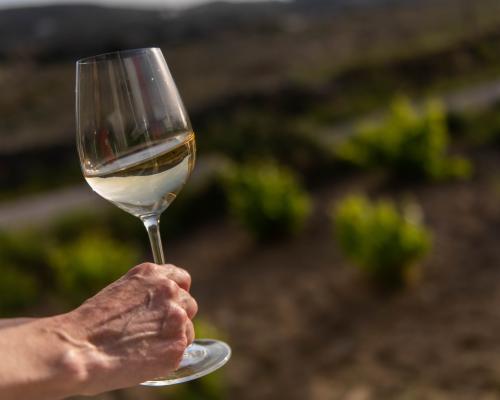
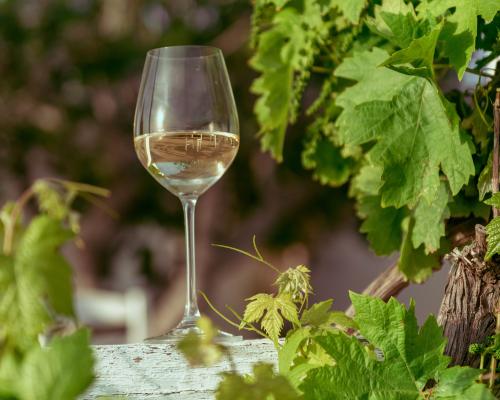
Sun-dried Psara wine or Sun-dried wine of Psara is described as a fine, sweet or semi-
sweet, red wine. The main synonym used to describe the method is “Heliasto.” The main
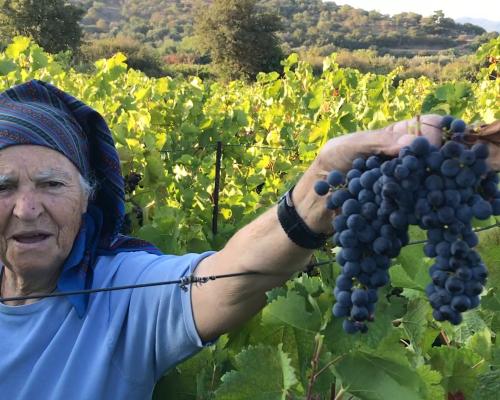
variety used for its production on Psara is the red variety “Fokiano,” an indigenous variety of
the North Aegean, renowned for its resistance to drought and its capacity to yield wines with
high alcohol content and distinct aromatic complexity. Its production is based on the classic
sun-dried technique, where the deliberate dehydration of the grapes in the sun leads to a
natural increase in sugar, acid and aromatic components, giving the final wine a richness
and structure that make it unique.
The island of Psara is located in the northern Aegean, west of Chios, and is characterized by
rugged, arid terrain. Viticulture is practiced on soils that are predominantly clay-limestone,
poor in organic matter, with extremely limited vegetation. The climate is typically insular, with
pronounced hot and dry conditions, long periods of sunshine and strong winds (meltemia).
These extreme conditions, although they make cultivation difficult and restrict yields, act as a
natural regulator of grape quality. The sea breeze and the influence of the Aegean, which
moderates extreme temperatures and enhances the grape’s acidity, are decisive factors in
the final profile of the sun-dried wine, preserving a freshness that is often absent from the
sun-dried wines of the mainland.
The sun-dried Psara wine is produced using a traditional method that combines dry farming
with the technique of sun-drying.
Cultivation Method
The cultivation of Fokiano on Psara has historically been dry (non-irrigated), adapted to the
island’s limited vegetation and scarce water resources. The vines are usually trained in a low
goblet (bush) shape, a traditional method that protects the grapes from strong winds and the
high soil temperatures, while helping to retain minimal moisture. This technique leads to very
low yields per stremma, but to grapes with exceptionally concentrated sugars, acids and
aromas, ideal for the production of sweet wine.
Vinification Method: Sun-drying & Fermentation
The vinification process begins with the harvest, which usually takes place in the first days of
September, when the grapes have reached organoleptic maturity.
1. Sun-drying: Immediately after harvest, the Fokiano grapes are spread out in specially
designated areas (usually slopes or rooftops), on mats or special nets, to undergo
sun-drying (dehydration). This process lasts several days, depending on the weather
and the desired level of concentration. During sun-drying, the water in the berries
evaporates, concentrating the sugars, acidity and the aromatic and coloring
compounds of Fokiano (anthocyanins).
2. Crushing & Fermentation: When the grape has reached the desired degree of
dehydration and the sugars have exceeded the threshold of 300–400 grams per liter
(g/l), crushing and pressing follow, often carried out in the traditional way. The
resulting must is viscous and extremely rich in sugars. Alcoholic fermentation is slow
and difficult due to the high sugar concentration. Fermentation is interrupted either
naturally (when the yeasts are inactivated due to the high alcohol and sugar content),
or by the addition of alcohol (in which case we are dealing with a fortified sweet
wine), leaving a significant amount of unfermented sugars in the final product, which
gives it its characteristic sweetness.
3. Aging: The finished wine matures in barrels or tanks for several months or even
years, during which it acquires its deep amber-red color, complexity, and
characteristic “sun-dried” aroma.
The impact of the production of sun-dried Psarian wine is primarily cultural and economic on
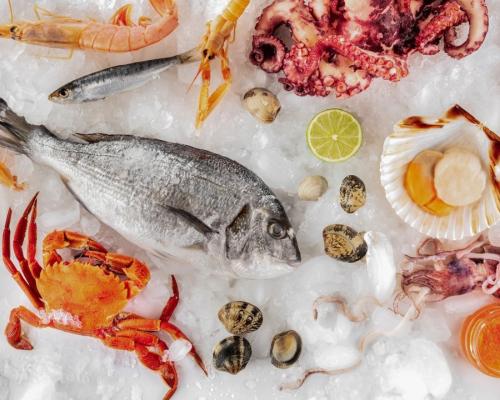
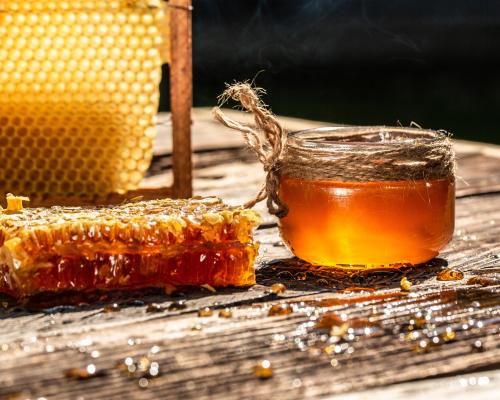
a micro scale. Due to the small size of the island, the emphasis on fishing and beekeeping
(thyme honey), and the historic Destruction that led to a large population loss and the
abandonment of agriculture, winemaking on Psara remains non-existent or minimal at a
commercial level. However, the preservation of the knowledge and practice of producing
wine from Fokiano grapes contributes to maintaining the island’s agricultural memory and
biodiversity. It functions as a factor of gastronomic differentiation and revival of traditional
products, adding value to Psara’s tourism offering, which is based on history and
authenticity.
The tradition of sun-dried wines in Greece is extremely ancient, with references even in
Homer. Psara, although better known for its naval prowess and the heroism of 1821,
experienced a period of flourishing during which agriculture and viticulture coexisted with
seafaring. The production of sun-dried wine was both a necessary and an honorable
practice. Concentrating the must through sun-drying ensured a wine with high alcohol and
sugar content, making it resistant to spoilage and ideal for long sea voyages — a product
that could be consumed or used for trade. After the Destruction of 1824, a large part of the
agricultural infrastructure was lost. The current revival of the sun-dried Psarian wine from the
island’s few cultivated plots is an act of cultural resistance, reconnecting the island with its
agricultural identity before the tragedy, bringing an old know-how back to light.
The central custom associated with the production of the sun-dried Psarian wine is the
“liastiri” (the sun-drying area) and the grape harvest. The harvest on Psara was never a
large, organized festival as in other wine-producing regions, but an intimately family- and
community-based ritual due to the small size of the vineyards.
● The Harvest: The grapes were picked by hand, with all family members taking part.
The harvest was followed by the careful spreading of the Fokiano grape bunches on
the drying mats, a practice that required constant monitoring so that the grapes
would not get wet or suffer excessive deterioration, but instead dehydrate evenly.
● The Wine of Welcome: Traditionally, the sweet sun-dried wine was kept in small
quantities and used mainly to welcome official visitors and for festive tables,
signifying the household’s prosperity and hospitality. It was also used as a nutritious
and fortifying food for sailors.
Liasto Psarianó wine, as a sweet wine, is characterized by high energy density, which is
mainly due to the high residual sugars that result from the sun-drying process and the
interruption of fermentation. Its unique value, beyond taste, lies in its high concentration of
bioactive compounds.
Liasto Psarianó wine, as a sweet wine, is characterized by high energy density, which is
mainly due to the high residual sugars that result from the sun-drying process and the
interruption of fermentation. Its unique value, beyond taste, lies in its high concentration of
bioactive compounds.