local beer
The production of local beer on Lesvos is a relatively recent gastronomic chapter for the island, which is traditionally synonymous with ouzo. The emergence of microbrewing on Lesvos, especially over the past decade, marks a shift toward showcasing local raw materials and offering an alternative, quality drink that pairs well with the rich Mediterranean cuisine and the Aegean climate. The local labels, although they face the dominance of ouzo and the major breweries, have begun to establish themselves as a distinct product of high added value, reinforcing the region’s tourism and gastronomic identity.
The uniqueness of Lesvian beer lies in the identity of the microbrewery and its connection with the island’s geography and history. The most representative local entity is Sigri Brewery (Sigri Microbrewery of Lesvos), which initially operated as a nomadic brewery, but now has its own production facilities in Sigri, marking the first beer that is produced, bottled, and matured entirely on the island.
Key labels that identify the product:
- Nissiopi Blonde Ale: A top-fermented beer (Ale), usually with a lighter and more fruity taste, suitable for the island climate.
- Sedusa Irish Red Ale: A label with a redder color and bittersweet flavor, inspired by the Irish style.
- Witty Weiss beer: A Weisse beer with a strong reference to the Petrified Forest, using the fossil of the prodeinotherium as inspiration for the label.
- "To Know Us Bitter" Strong Bitter: The first beer produced in the new facilities in Sigri, with an intensely bitter character, which is, however, balanced by malt aromas.
The production of local beer on Lesvos is directly linked to the area of Sigri, in the western part of the island, where the local microbrewery’s plant is located. The choice of location is not accidental, as the Sigri area is known for the Petrified Forest, a geological area with a distinctive historical and natural heritage.
The pedoclimatic identity of the island affects the final product through two main factors:
- Water: The water of Lesvos, with its specific composition in mineral salts, is the basic ingredient (90–95%) of every beer and contributes to the final character and balance of its flavor.
- Local Raw Materials (Potentially): Lesvos, being rich in agricultural production, offers brewers the opportunity to incorporate local aromatic elements (such as honey, herbs, citrus fruits, or even mastic, although the latter is characteristic of Chios), thus enhancing the local character of the beer.
Production Method (Malting, Brewing)
Beer production on Lesvos follows the basic, globally recognized brewing process, with an emphasis on non-pasteurization and an unfiltered final product, characteristics of craft beer.
- Malting:
- Although barley is not cultivated sufficiently on the island to cover demand (imported malt is used), the first stage concerns the malting of the barley, where the grain is soaked and allowed to germinate, so that the necessary enzymes are produced which will convert the starch into sugars. This is followed by the roasting (drying) of the “green” malt, whose temperature determines the color and aroma of the final beer.
- Brewing:
- Milling and Mashing: The dried malt is milled and mixed with water at specific temperatures (mash), allowing the enzymes to convert the starch into fermentable sugars (wort).
- Lautering: The wort (the liquid containing the sugars) is separated from the solid residues of the malt (spent grain), which are often used as animal feed, reinforcing the island’s circular economy.
- Boiling & Hops: The wort is boiled (60–90 minutes) for sterilization, while at this stage hops are added. Hops give beer its bitterness and aroma and act as a natural preservative. The choice of varieties (e.g., Cascade) determines the aromatic profile of the local ales.
- Cooling & Fermentation: The wort is cooled and transferred to the fermenters, where yeast is added. The fermentation temperature differs depending on the type of beer (e.g., higher for ales, lower for lagers). The yeast converts the sugars into alcohol and carbon dioxide.
- Maturation & Bottling: The local beer of Lesvos is usually unfiltered and unpasteurized, so as to retain its nutrients and intense aromas. This is followed by maturation and finally bottling (or placement in a keg).
The development of microbrewing in Lesvos has multiple positive impacts on the local economy and cultural image:
- Product Diversification: Beer comes to complement the already rich range of local products (ouzo, olive oil, cheeses), offering a modern and high-quality option for both visitors and locals.
- Employment and Development: The creation of permanent production facilities (such as in Sigri) generates new jobs and attracts investment in the primary sector (potential future use of local barley or aromatics).
- Gastronomic Tourism: The brewery becomes a point of reference for gastronomic tourism, placing the island on the map of Greek craft destinations and promoting a more complete taste experience.
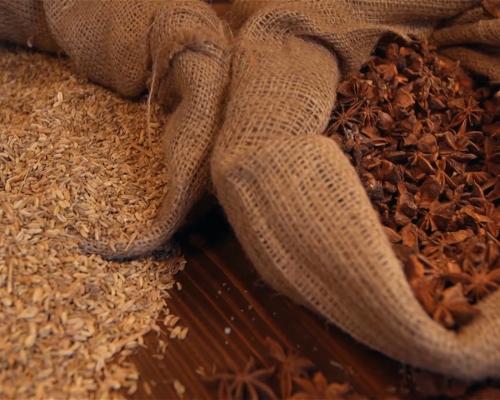
Brewing on Lesvos does not have a centuries-long, continuous tradition like ouzo, whose history is directly linked to Asia Minor and the production of anise on the island. The history of local beer is modern and essentially begins as an initiative of entrepreneurs with a vision to create a local product with international characteristics, using the island’s identity as inspiration.
The cultural heritage of Lesvos is incorporated into the product in an indirect way. The labels bear names connected to the mythology and geography of the island (e.g., Sedusa—from the Petrified Forest—and Nissiopi) or draw inspiration from the Petrified Forest (such as Witty), linking the contemporary product with the island’s geological and natural heritage.
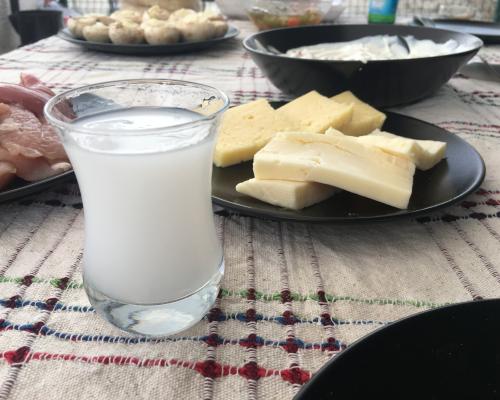
Beer is not a traditional drink of Lesvos, as the island is historically the global core of ouzo and its culture revolves around meze and ouzo.
However, local beer is being integrated into the island’s modern customs and social habits:
- Summer Accompaniment: Since beer (especially Blonde Ales) is an ideal drink for high temperatures, it has become a popular choice in seaside spots and tourist areas, serving as an alternative to ouzo.
- Food Pairing: The microbrewers promote the consumption of beer as an accompaniment to foods that do not pair well with ouzo, such as grilled meats or dishes with more intense flavors, introducing new taste habits to the Lesvian table.