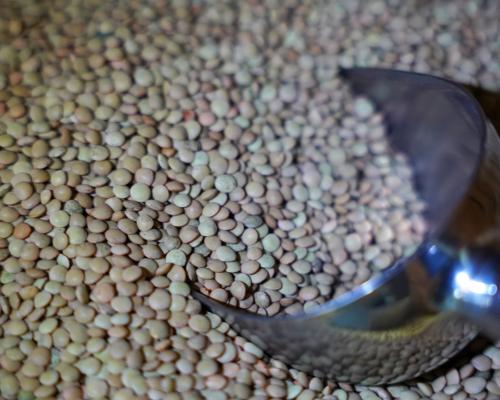
Lupins
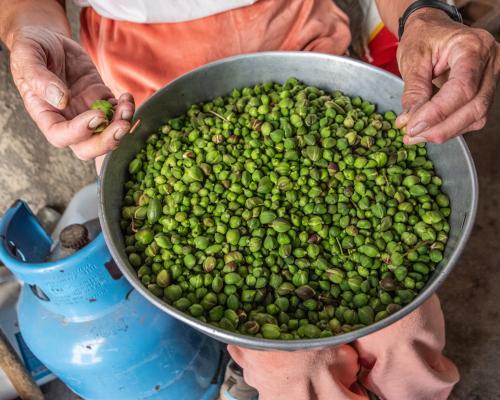
Lupins (Lupinus albus), also known as “Louvia” in Lesvos, are one of the oldest cultivated pulses in the Mediterranean and form an integral part of the island’s agricultural and dietary tradition. They are a leguminous crop, traditionally grown in dryland fields, as they require very little water. The importance of lupins in Lesvos is twofold: on the one hand, they are a traditional dish of high protein value, particularly popular during fasting periods, and on the other, they play a critical role in crop rotation and in improving the fertility of the island’s soils, especially in olive groves. Their traditional processing, which requires many hours of desalting (removal of bitterness), is a key element of their uniqueness.
The uniqueness of Lesvos lupins lies in the survival of local populations of the Lupinus albus variety (White Lupin) and in the traditional processing that makes them edible.
- Identification, Synonyms, Variants: The product is the seed of the White Lupin (Lupinus albus). Locally they are called Louvia. Historically, the local lupin varieties of Lesvos belong to the bitter populations, meaning they contain alkaloids (such as lupanine) that must be removed to make them edible, in contrast with modern “sweet” varieties.
- The conservation of local genetic resources of lupin in Lesvos has been recognized by university studies as important for the biodiversity of the Aegean.
Basic Specifications: Lesvos lupins are distinguished by the large size of their seed and their high protein content (which is characteristic of the Lupinus albus variety). The final product (after desalting) must have low residual bitterness and high moisture content (when sold in brine).
The cultivation of lupins in Lesvos is found mainly in the volcanic and dry areas of the island, where soils are poor but the plant can thrive thanks to its resilience.
The most important cultivation zones are often located in rainfed fields of central and western Lesvos, as well as in fields intended for crop rotation with olive cultivation (e.g., the areas of Agiasos, Kalloni). The volcanic soils of Lesvos, rich in minerals, combined with the dry, hot climate of the Aegean, contribute to the development of lupins with a high content of dry matter and proteins, features that make them superior as animal feed and as food.
The cultivation method of lupins in Lesvos follows traditional dryland techniques, with an emphasis on the natural improvement of the soil.
- Sowing: Lupins are cultivated as a winter legume. Sowing takes place in autumn (October – November). The crop is almost always rainfed, making use of winter moisture. As a legume, lupin has the unique ability to fix atmospheric nitrogen in the soil through symbiosis with rhizobial bacteria (a natural fertilization process), reducing the need for chemical nitrogen fertilizers.
- Cultivation Techniques: It is a key element in crop rotation with cereals or olive cultivation. Lupin cultivation contributes to the improvement of soil structure and to weed control.
- Harvesting: Harvesting takes place in summer (June – July) when the pods have completely dried. It is carried out with combine harvesters, following the cereal process, or traditionally, with manual collection and threshing.
- Processing / Standardization (De-bittering): Standardization for edible use is the most time-consuming and unique process:
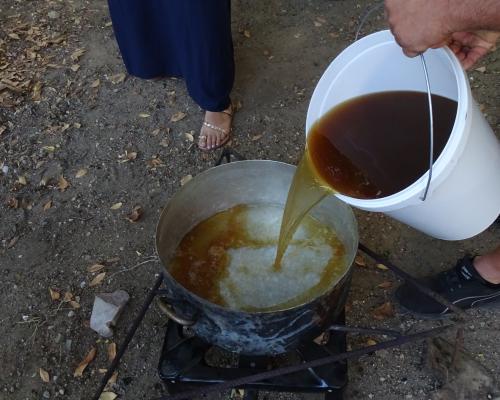
- Boiling: The dry seeds are boiled to begin the removal of the alkaloids (which are water-soluble).
- De-bittering (Soaking): The seeds are placed in brine or plain water and remain there for several days (4–15 days). The water or brine is changed frequently (1–2 times a day). This process drastically reduces the content of bitter alkaloids.
- Final Preservation: After de-bittering, the lupins are kept in brine for sale as a ready-to-eat pulse/snack.
Lupins in Lesvos have a significant ecological and social impact, as they connect agriculture with local livestock farming.
- Soil Improvement: The cultivation of lupins enhances the natural fertilization of soils (nitrogen fixation), reducing the need for chemical fertilizers in olive groves and vineyards, thus promoting sustainable agriculture.
- Animal Feed: A significant part of the production (mainly seeds not intended for human consumption or the residues) is used as high‑protein animal feed for the sheep and goats of Lesvos, supporting local livestock farming.
- Nutritional Heritage: Cultivation preserves the island’s self-sufficiency in basic food products and strengthens the identity of Lesvian cuisine.
Lupins have been cultivated in Greece and the Aegean for more than 3,000 years, with Lupinus albus considered one of the most important ancient pulses.
- Antiquity: There are references to the use of lupins as food and as green manure in ancient Greece. On Lesvos, this cultivation was maintained as a resilient option for poor, dry soils where other pulses struggled.
- Traditional Technique: The technique of prolonged desalination is a cultural heritage, as it reflects the inhabitants’ knowledge of how to process the bitter seeds so that they become safe and tasty, a practice that dates back to prehistory.
Lupins on Lesvos are closely associated with fasting and simple, traditional food.
- Lenten Delicacy: Lupins, sold in brine, are among the most popular Lenten snacks and meze on the island, especially during Lent. They are usually consumed plain or drizzled with olive oil and oregano.
- Street Trade: Traditionally, lupins were sold by street vendors in open-air markets and squares, constituting a characteristic sonic and gastronomic element of life in Mytilene.