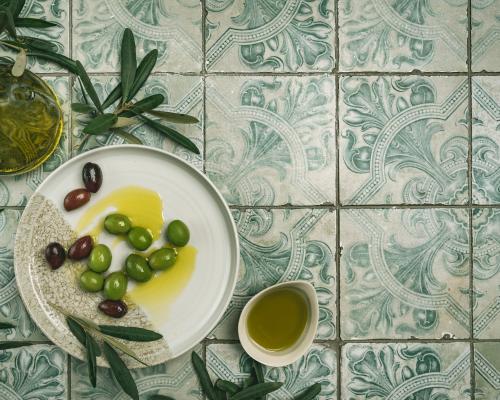
olive oil
The olive oil of Ikaria is a cornerstone of the local diet, which is directly linked to the phenomenon of longevity that has made the island one of the world’s “Blue Zones.” Its production, although small in quantity due to limited agricultural resources and mountainous terrain, is of high quality and of critical importance for the culture and health of the inhabitants. The virgin olive oil produced in Ikaria is characterized by traditional cultivation methods (mainly without intensive irrigation) and the use of local varieties, resulting in a product with strong organoleptic characteristics and high nutritional value, which the locals credit as part of the secret of their longevity.
The uniqueness of Ikaria’s Extra Virgin Olive Oil is based on three pillars: the local variety, the absence of intensive cultivation, and its connection with the history of longevity.
- Identification: The product is Extra Virgin Olive Oil (EVOO).
- Varieties: The dominant variety used in Ikaria, as in much of Greece, is Koroneiki, which is renowned for its resilience and the high quality of its oil. However, cultivation often also includes local varieties (local clones) that have adapted to the island’s particular soil and climate conditions.
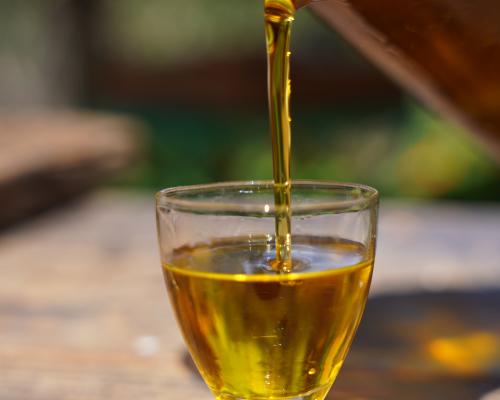
- Organoleptic Characteristics: The olive oil of Ikaria is often characterized by low acidity and a high content of polyphenols (bioactive compounds) due to timely harvesting and immediate milling, elements that confer a fruity taste and a slightly bitter or pungent aftertaste.
Ikaria is a geographical area with a strongly mountainous relief and limited resources, conditions that directly affect olive cultivation.
- Relief & Soil: Most olive groves are found on terraces on the mountain slopes, with rocky, poor soils. This geomorphology makes intensive cultivation and the use of machinery difficult, keeping production at a traditional/manual level.
- Climate & Irrigation: The Mediterranean climate of Ikaria, with its long periods of drought, makes olive cultivation mainly rain-fed. The lack of sufficient water resources limits irrigation, which leads the tree to produce olives with a higher concentration of polyphenols and other nutrients, as a defense mechanism against water stress.
- Isolation: The island’s isolation and the absence of intense industrial pollution help ensure the purity of the product, which is often cultivated using organic practices (though not always certified).
The method of olive oil production in Ikaria is characterized by simplicity, traditional know-how, and practical sustainability, elements that form part of the “Ikarian way of life.”
- Cultivation Method: Cultivation is usually non-intensive and without systematic use of chemical fertilizers or pesticides, due to the mountainous environment and small landholdings. The absence of irrigation (dry farming) is a common practice, which enhances the quality of the oil.
- Harvest: Harvesting is often done using traditional methods (hand-picking or beating the branches), while the practice of early harvest (agrelia oil or semi-ripe fruit) is particularly important, as it increases the polyphenol content and reduces acidity, despite the lower yield. The falling of the fruit to the ground is avoided as much as possible, through the use of olive nets.
- Olive Oil Extraction (Processing): The olives must be transported to the mill immediately (within a few hours) in order to avoid oxidation and an increase in acidity. The extraction is carried out by the method of cold pressing (temperature below 27°C), exclusively with mechanical means, thus ensuring the classification of the product as Virgin Olive Oil and the preservation of its bioactive compounds.
The impact of olive cultivation in Ikaria is more social and cultural than purely economic, due to the small production volume.
- Nutritional Heritage & Longevity: Olive oil is a symbol of Ikarian nutrition and longevity. Its cultivation contributes to the preservation of the traditional way of life and eating habits that are studied worldwide.
- Preservation of the Rural Landscape: The preservation of olive groves, especially on terraces, helps retain soil and prevent erosion, maintaining the island’s characteristic rural landscape.
- Economic Support: Although the quantity is small, olive oil provides a supplementary income for rural populations and strengthens the local economy through cottage-industry production and direct sales to visitors.
The olive tree and olive oil have a centuries-long presence in Ikaria, forming part of the broader history of olive cultivation in the Aegean.
- Ancient Connection: In Ikaria, olive cultivation is a practice that has been maintained for centuries, adapted to the challenges of the mountainous island.
- Preservation and Use: Historically, olive oil was the primary fat used for cooking, food preservation and lighting. Its production, through the immediate pressing of the fruit, constituted an annual ritual for rural families. The island’s distinctiveness lies in the uninterrupted use of olive oil as the main fat, in contrast to other regions where animal fats prevailed.
Olive oil is not just a food, but a cultural element in Ikaria, connected with rituals and everyday life.
- Dietary Foundation: The consumption of raw olive oil on salads and boiled greens, as well as its use as the main cooking medium, is central to the Ikarian diet. The high quality of the oil allows residents to use it generously in their daily lives.
- Symbolism: Fresh olive oil is often a gift and a sign of hospitality, especially when offered as “agrelio” (early harvest), symbolizing prosperity and a good crop.
Given the small-scale, home-based production in Ikaria, participation in international competitions is limited. Certain individual local producers have received recognition for the high quality and high polyphenol content of their oil (health claim).
Ikaria’s olive oil, due to the cultivation conditions, is expected to show high levels of components associated with health and longevity.
- Macronutrients:
- Fats: Monounsaturated fatty acids dominate (about 73% of the total, mainly oleic acid), which are associated with cardiovascular health. It also contains vitamins E and K.
- Calories: Like all olive oils, it has a high caloric value (about 884Kcal/100g).
- Bioactive Compounds (Polyphenols): The most important nutritional advantage of Ikarian olive oil is the expected high concentration of polyphenols, such as oleocanthal, oleacein and hydroxytyrosol.
- Health Claim: Olive oils with a high concentration of polyphenols (at least 5 mg of hydroxytyrosol and its derivatives per 20 g of oil) may bear the EU health claim that “olive oil polyphenols contribute to the protection of blood lipids from oxidative stress.” Ikaria, as a Blue Zone, has received particular attention for its antioxidant-rich diet.
Ikaria’s olive oil, due to the cultivation conditions, is expected to show high levels of components associated with health and longevity.
- Macronutrients:
- Fats: Monounsaturated fatty acids dominate (about 73% of the total, mainly oleic acid), which are associated with cardiovascular health. It also contains vitamins E and K.
- Calories: Like all olive oils, it has a high caloric value (about 884Kcal/100g).
- Bioactive Compounds (Polyphenols): The most important nutritional advantage of Ikarian olive oil is the expected high concentration of polyphenols, such as oleocanthal, oleacein and hydroxytyrosol.
- Health Claim: Olive oils with a high concentration of polyphenols (at least 5 mg of hydroxytyrosol and its derivatives per 20 g of oil) may bear the EU health claim that “olive oil polyphenols contribute to the protection of blood lipids from oxidative stress.” Ikaria, as a Blue Zone, has received particular attention for its antioxidant-rich diet.