Olive Oil of Lesvos
Virgin Olive Oil of Lesvos is one of the most important pillars of the island’s agricultural production and cultural heritage. Lesvos, with more than 11 million olive trees, has traditionally been one of the leading olive-producing regions of Greece, with olive cultivation constituting a key economic activity for thousands of families. The quality of Lesvos olive oil is inextricably linked to its indigenous varieties, Kolovi and Adramytiani, as well as to the island’s distinctive soil and climate conditions. The product has been officially registered at European level, highlighting its unique identity and its geographical connection.
The olive oil of Lesvos holds official recognition as a Protected Geographical Indication (PGI) product “Lesvos”. This registration ensures that the product meets specific, strict specifications of quality and origin.
Specifications of PGI “Lesvos”:
- Regime & Year: PGI (Protected Geographical Indication). This indication was registered for the extra virgin or virgin olive oil of the Prefecture of Lesvos.
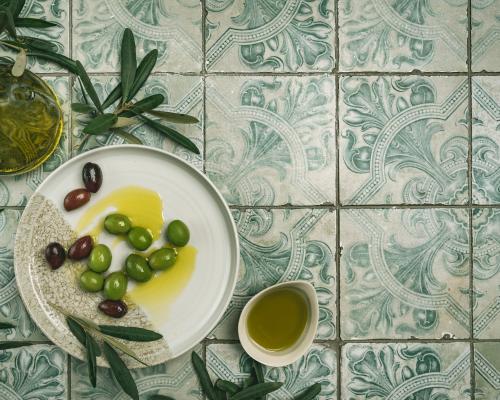
- Varieties: The production of the oil must derive exclusively from the two main local varieties, Kolovi (also known as Mytilinia) and Adramytiani (or a combination of the two).
- Geographical Zone: Both the cultivation of the olives and the entire processing (olive milling) must take place within the boundaries of the Prefecture of Lesvos.
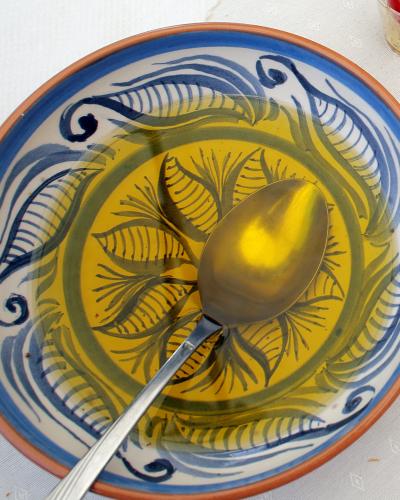
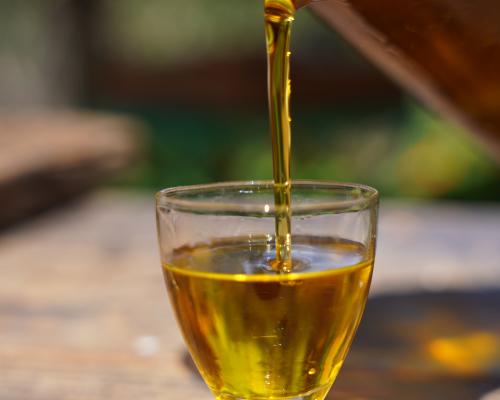
- Organoleptic Characteristics: PGI “Lesvos” is distinguished by its fruity aroma of unripe olive, its pungent taste and its rich texture. This distinctive profile is due mainly to the Kolovi variety, which yields oil of high quality and resistance to oxidation.
The geographical production area of the PGI Olive Oil is the island of Lesvos. The high proportion of land covered by olive trees and the morphology of the soil are key characteristics of the area. The olive groves are located on a variety of soils, including extensive volcanic formations (particularly in western Lesvos) and limestone formations, which contribute to the unique composition of the soil. The climate is typically Mediterranean, with mild, rainy winters and hot, dry summers. Cultivation is mainly rainfed (without irrigation), especially in the older, traditional plantations. These soil and climate conditions, combined with the long root system of the Kolovi variety, force the tree to produce fruit rich in phenolic compounds, giving the oil its characteristic intense flavor and high antioxidant levels.
Cultivation Method
Cultivation on Lesvos is characterized by large planting distances and traditional pruning and soil-care techniques. The local varieties Kolovi and Adramytiani are particularly well adapted to dry conditions and have high drought resistance, meaning they require minimal irrigation. Fertilization is generally limited, focusing on maintaining the health of the centuries-old trees. The seasonality of olive production usually begins with the harvest in late autumn and continues through to spring.
Harvesting and Olive Oil Extraction
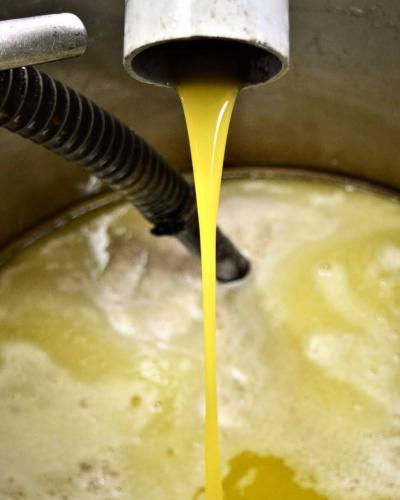
Harvesting on Lesvos is highly diverse. Traditionally, the branches are beaten with sticks (e.g. wooden ones) or the olives are collected from the ground (provided the fruit is ripe), although for quality PGI olive oils, the immediate collection of the fruit from the tree (either by hand or by mechanical means, such as shakers) at an earlier stage is preferred to maximize aromatic and phenolic compounds. Transport and Crushing are critical: the olives are transported quickly to the mill, where cold extraction is mandatory for PGI products. The temperature of the olive paste during malaxation must not exceed 27°C (or even 25°C for "early harvest" oils). This technique ensures the preservation of volatile aromatic components and beneficial polyphenols, resulting in high-quality olive oil with low acidity.
Storage and By-products
Olive oil is stored in stainless steel tanks (Inox) with inert gas (nitrogen) for protection against oxidation, at consistently low temperatures. Packaging for the PGI “Lesvos” must take place within the geographical zone. As by-products of olive processing, the island produces olive pomace (used for the production of pomace oil) and “katsigaros” (liquid waste), for which modern environmental management techniques are applied.
Olive cultivation on Lesvos constitutes the backbone of the island’s agricultural economy. The cultivation and processing of olive oil not only provide direct income to thousands of olive growers and workers in the olive mills, but also preserve the social fabric of rural communities. The olive groves, many of which are centuries old, are the dominant feature of Lesvos’ natural landscape. The recognition as a PGI enhances the outward-looking character of Lesvos’ products, increases the added value of the oil and protects local production from imitations. In addition, the history and industrial heritage of olive processing attract cultural tourism, with visits to old and new olive mills, such as the Museum of Industrial Olive-Oil Production of Lesvos.
Lesvos’ relationship with the olive dates back to prehistoric times, with discoveries of fossilized olive leaves aged 50,000 to 60,000 years testifying to the age-old presence of the tree on the island. The systematic exploitation and production of olive oil is documented from the Bronze Age (2800–2000 BC), with the discovery of a primitive olive mill at Thermi. During the Classical and Byzantine periods, olive oil was a basic trading commodity and a source of wealth. The modern history of Lesvos’ olive cultivation was marked by the disaster of 1850 (the Great Kamada), when a severe frost destroyed a large part of the olive grove. Rebirth came with the extensive replanting of the resilient Kolovi and Adramytiani varieties, accompanied by the construction of impressive stone walls (dry stone walls) all over the island to stabilize the soil. This effort constituted a historic cultural achievement and shaped the present form of the Lesvos landscape.
The olive tree and olive oil have penetrated deeply into the customs and traditions of Lesvos, linking the agricultural cycle with social and religious life. The seasonal rhythm of the island is defined by the harvest of the olives (from November to spring), a period that constitutes a social celebration and a process of cooperation. Large families and groups of friends take part collectively in the picking, bringing the inhabitants closer together. Traditionally, the first oil of the year (agourolado, freshly pressed unripe olive oil) holds special value and is used to prepare the first dishes, marking the beginning of the new cycle. Even the traditional dances and songs of Lesvos include references to the olive tree, the toil, and the gifts of the tree.
Lesvos Olive Oil, especially that produced from the Kolovi variety in early harvest, has been internationally recognized, earning significant awards in top competitions of global scope.
ATHENA IOOC (International)
Berlin GOOA (International)
Olive Japan (International)
London International Olive Oil Competition (BIOC)
Great Taste Awards (UK)
These awards confirm the superior quality of Lesvos olive oil, with a particular focus on organic production and on highlighting the unique characteristics of the local varieties.