Ouzo of Mytilene
Ouzo of Mytilene is one of the most recognizable and historic alcoholic beverages of Greece, inextricably linked with the island of Lesvos and the centuries-old distilling tradition of the region. It is a spirit that stands out due to the use of local anise, mainly from Lisvori, which imparts unique organoleptic characteristics, making it a product with recognized Geographical Indication. Its reputation is owed to the combination of the know-how of local and Asia Minor distillers, the exceptional aromatic raw materials of the Lesvian land, and the traditional method of distillation in copper pot stills.
Ouzo of Mytilene (or Ouzo) is a compound geographical indication that belongs to the category of distilled anis. As such, it meets the basic specifications of Ouzo, but its reputation and particular characteristics are associated with the geographical area of Mytilene.
Protection Status & Specifications
Ouzo of Mytilene has been recognized as a Geographical Indication (GI) at national level and has been notified to the European Commission.
Basic Specifications:
- Category: Distilled anis (anis-based spirit).
- Geographical Area: The beverage must be produced exclusively on the island of Lesvos, excluding the area of the former Municipality of Plomari (which is covered by the GI “Ouzo Plomariou”). The production process (aromatization by distillation, final preparation) and bottling must be carried out within this geographical area.
- Aromatic Raw Materials: The main aromatic raw material is anise seeds (Pimpinella Anisum), with priority given to the use of Lisvori anise, which, due to the soil and climate conditions of the area, exhibits particularly high-quality characteristics. Mastic from Chios (Pistacia Lentiscus Chia) is also used, as well as other aromatic seeds, plants or fruits, such as fennel, star anise, coriander, cardamom, etc.
- Distillation: A proportion of the ethyl alcohol of agricultural origin must be aromatized by distillation, in accordance with Regulation (EC) 110/2008. The final product is a colorless and transparent liquid, which displays the characteristic emulsion (cloudiness) when mixed with water and/or ice, due to the reduced solubility of the aromatic compounds (terpenes) at the lower alcohol concentration.
- Alcoholic Strength: The minimum alcoholic strength by volume is defined by the general specifications of Ouzo, usually above 37.5% vol (although Ouzo from Mytilene often ranges between 40% and 47% vol).
The geographical production area of Ouzo Mytilene includes the island of Lesvos, excluding the area of Plomari, which has a separate Geographical Indication. Lesvos, as the third largest island of Greece, has a rich and diverse microclimate and fertile land.
Soil and Climatic Conditions and Raw Materials
Lesvos is located at the crossroads of Europe and Asia, which makes it rich in biodiversity and aromatic plants. Anise (Pimpinella anisum), the dominant aromatic component of ouzo, is traditionally cultivated in the island’s fertile soils, with Lisvori (near the Gulf of Gera) considered the principal production center. The particular climatic conditions (mild temperatures, ample sunshine) and the soil of the area, according to the technical file, give Lisvori anise unique and distinctive characteristics compared to elsewhere. This local anise, combined with the use of water from local springs and the addition of other local or Greek herbs (such as Chios mastic), shapes the distinctive aromatic and taste profile of Ouzo Mytilene.
The production of Ouzo Mytilene follows the traditional distillation method, which is decisive for its quality and organoleptic characteristics, confirming its link with the reputation of the area.
Production Process
The method of preparation, as defined in the Technical File, includes the following stages:
- Preparation of Aromatic Materials: The main aromatic ingredient, Lisvori anise, together with other selected aromatic herbs (e.g., fennel, mastic, coriander), is soaked (macerated) in ethyl alcohol of agricultural origin (usually 96% vol).
- Distillation: The aromatic mixture (mash) is placed in traditional copper pot stills (boilers), which are often handcrafted and small in size, and is heated slowly and carefully. Slow, fractional distillation is of vital importance, as it allows the preservation of the delicate aromatic components.
- Fraction Separation: During distillation, three fractions are separated: the head (first part), the heart (middle, best part), and the tail (last part). For the production of Ouzo Mytilinis, only the heart of the distillate is used.
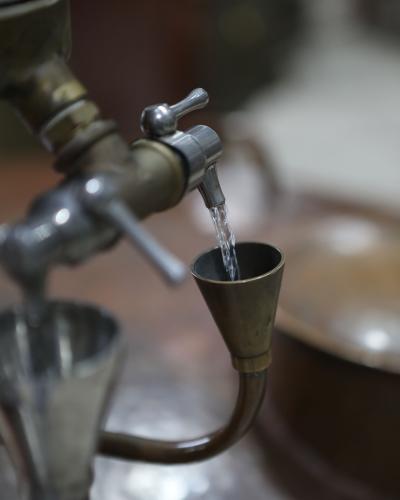
- Final Processing (Blending and Dilution): The distillate (or ouzo distillate) is diluted with soft water (often from local springs, with distinctive characteristics that affect the final result) to the desired alcoholic strength. Certain distilleries may also add a small amount of sugar to balance the taste, although authentic Lesvos Ouzo is often sugar-free. This process, together with the secret blend of herbs (the “recipe”), constitutes the “art” of the distiller, which is preserved with religious devotion and passed down from generation to generation.
The production of Ouzo Mytilinis constitutes one of the pillars of the economy, identity and culture of Lesvos, with significant socioeconomic impact:
- Economic Contribution: The island of Lesvos is the foremost center of ouzo production in Greece, with approximately 50% of total national production coming from its distilleries, covering a significant share of the market. This entails substantial revenues from domestic and export activities.
- Employment and Rural Development: Production directly and indirectly supports jobs. Directly, in the distilleries and in the packaging/distribution sectors, and indirectly in the island’s agricultural production. The demand for Lisvori anise, in particular, makes its cultivation viable and keeps traditional agricultural practices alive.
- Tourism and Identity: Ouzo Mytilinis is synonymous with Lesvian hospitality and gastronomy. It attracts gastro-tourists who visit traditional distilleries and ouzo museums (e.g., the Ouzo Museum in Plomari, which, although technically a different PDO, reinforces the island’s image as the “capital” of ouzo). The product serves as an ambassador of Lesvos in international markets, showcasing the island’s history and culture.
The history of ouzo on Lesvos is directly linked to Mytilene as a major port and transit center during the 19th century, as it was located near the Constantinople–Smyrna–Alexandria triangle, where distilling flourished.
The Flourishing of Distilling
The first recipes and know-how were brought by Greeks from Constantinople and Odessa. The true flourishing of Lesvian distilling took place after the Asia Minor Catastrophe (1922), when refugee distillers from the Asia Minor coasts (especially from Çeşme and Smyrna) settled in Mytilene and Plomari. These refugees brought with them their rich knowledge and experience in the art of distillation, creating a unique synergy with the local distillers.
Cooperative and Establishment
Already from the early 20th century, there were dozens of distilleries in Mytilene. The collaboration and competition between locals and refugees contributed to the creation of the strong reputation of “Ouzo of Mytilene.” In 1967, 26 of the 29 distilleries in the area joined together to form the Union of Distillers of Mytilene, an event that highlights the historical and economic significance of the product for the island. The tradition of Ouzo of Mytilene is, therefore, a living example of the cultural and economic heritage shaped by the Asia Minor refugees on Lesvos.
Ouzo of Mytilene is more than just a drink; it is a social ritual and an integral part of life in Lesvos:
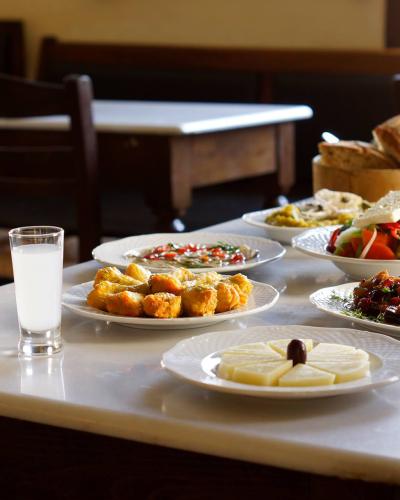
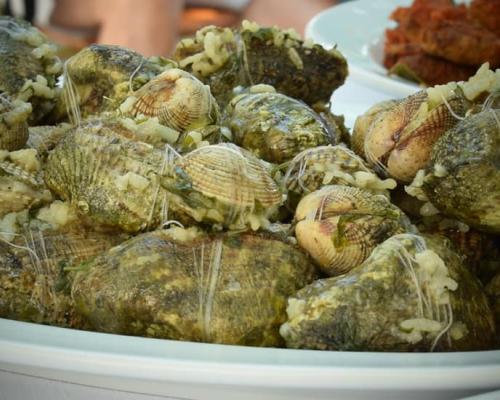
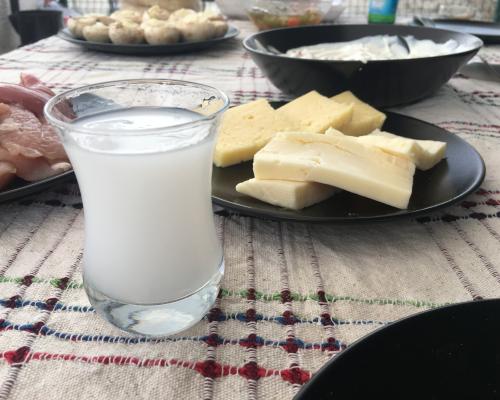
- Ouzeri and Meze: The traditional serving of ouzo on Lesvos takes place in ouzeri or coffeehouses, always accompanied by small meze dishes (the well-known ouzo mezedakia), a practice that functions as a way of socializing and slowing down the pace.
- Family Recipes: The production of Ouzo of Mytilene is based on family recipes and “secrets” that are passed down from generation to generation. This includes the precise ratio of herbs, the quality of the water, and the particular distillation technique, which preserve the character of each distillery.
- Emulsion (Clouding): The “clouding” of ouzo when water or ice is added is part of the custom. The white emulsion, which is due to anethole, is considered an indication of high quality and rich aromatization. The ritual of masterful stirring and observing the clouding is a moment of relaxation and anticipation.
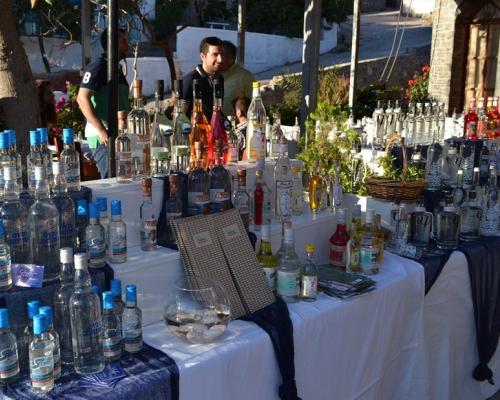
Ouzo of Mytilene, through the individual brand names of the distillers of Lesvos (e.g., Samaras, Matarellis, Mytilinis, etc.), has earned international distinctions, confirming the high quality of the product with Geographical Indication:
- International Distinction (Indicative):
- Samaras Distillery (Lesvos – Ouzo Mytilene PGI)
- Distinction: Superior Taste Award
- Organizer: International Taste Institute (Brussels)
- Year: 2025 (Indicative – Based on research)
- Product/Category: Ouzo SAMARA RED 42% vol.
- Level: 2 Stars (Distinguished Product)
- Samaras Distillery (Lesvos – Ouzo Mytilene PGI)
- Collective Distinctions: Many companies in the region often participate in international competitions such as the San Francisco World Spirits Competition or Taste of Greece, earning medals (Gold/Silver) for the quality and the traditional distillation method.