Petimezi raisins jams and spoon sweets
Samos, an island with a deeply rooted tradition in viticulture, offers a rich range of traditional sweets based on vine products, such as grape must syrup (petimezi), raisins, jams and spoon sweets. These products are a key element of the local gastronomy and cultural heritage, making use primarily of the renowned White Muscat of Samos variety.
Petimezi (also known as raisin honey or “epsima” in Byzantine times) is a natural, thick, dark-colored syrup produced by the slow concentration of must (freshly pressed grape juice) through prolonged exposure to the sun or heating (without boiling). It is a 100% natural sweetener, rich in energy and nutrients, and was used in Greece as the main sweetener before sugar became widely available. In Samos, its production is directly linked to the quality of the island’s grapes, mainly the Aspro Moschato variety, which imparts intense aromatic and organoleptic characteristics to the must.
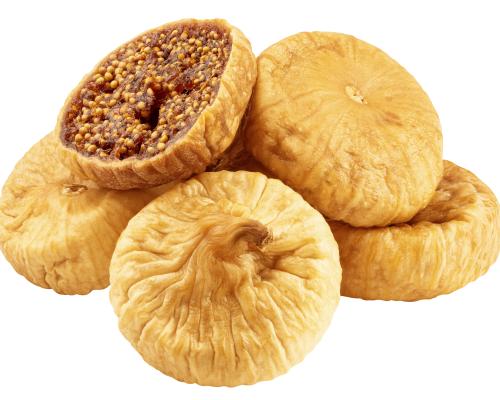
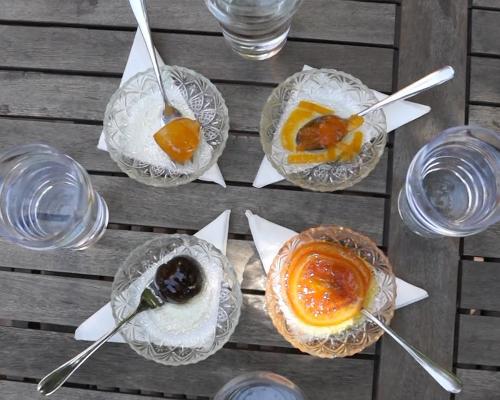
The raisins of Samos also come from local grape varieties, with the process of sun-drying (on drying racks) concentrating the fruit’s sweetness and aromas. Together with the jams and spoon sweets, which are made from a variety of fruits from the Samian orchard (such as figs, quinces, cherries, bitter oranges) or even from grapes/must, they constitute the rich range of traditional Samian products.
These specific products are produced throughout the island of Samos, with their production being inextricably linked to the viticultural zones, which cover a significant part of the island. Viticulture, from which the must for petimezi and the grapes for raisins originate, is mainly found in the northern part of Samos, in semi-mountainous and mountainous areas, where the vineyards reach altitudes of even over 400 meters. The island’s particular soil and climatic characteristics, with its mountain masses and proximity to the sea, play a decisive role in the quality of the raw materials.
The production of vine-based products in Samos follows traditional methods, which have remained unchanged over time, although modern technological means are now also applied to ensure quality.
Production of Petimezi
The traditional method of producing petimezi begins immediately after the grape harvest, using fresh must from the grapes (usually White Muscat). After the must has been passed through a fine strainer or cheesecloth, it is heated over low heat. During this process, which lasts several hours, the mixture is continuously skimmed to remove any solid components (impurities). In order to achieve crystal-clear transparency and prevent fermentation, it was often customary in the past to add a small amount of ash (from clean wood). Heating continues until the original volume of the must is significantly reduced, usually by about 60%, and it acquires the desired thick and sticky texture, with a density between that of oil and honey. This process is traditionally carried out in large pots or cauldrons.
Raisin Production
Samos raisins are produced by sun‑drying the grapes. After the harvest, the grape clusters are carefully spread out in special areas (drying yards or drying racks) and left under the intense summer sun. The slow dehydration concentrates the sugars, giving the raisins the intense sweetness, dark color, and rich aromas that characterize products of the Muscat grape.
Jams and Spoon Sweets
The preparation of jams and spoon sweets on Samos follows classic Greek tradition. Seasonal fruits from the island are used (such as figs, quinces, grapes, citrus fruits), which are boiled with sugar (nowadays) or petimezi and water, with the addition of lemon as a natural preservative and gelling agent. In spoon sweets, the fruits are kept whole or in large pieces, while in jams they are pureed.
The production of grape molasses (petimezi) and raisins from the grapes of Samos’ vineyards is directly linked to its winemaking tradition and economy. These products essentially represent the full utilization of the grape, as they use the must, which would otherwise go into fermentation for wine production. This “zero waste” philosophy maximizes the value of production. Grape molasses and raisins serve as an alternative source of income for vine growers, beyond selling their grapes to the cooperative for vinification. Additionally, they contribute to preserving traditional recipes and the island’s gastronomic identity, enhancing gastronomic tourism, as they are popular souvenirs and an integral part of local meals.
The history of grape molasses (petimezi) in Samos dates back to antiquity, as is the case throughout Greece. Grape molasses, known as “epsima” (or syraion) in Ancient Greece, is mentioned as early as Hippocrates in the 5th century BC and was used as the main sweetener and as a medicine (it helped with sore throat). Its use continued uninterrupted during the Byzantine period and the Ottoman rule (when it took the name pekmez). In Samos, as in other wine-growing regions, its production was linked to the grape harvest season, when the abundance of must allowed for the making of grape molasses to meet sweetening needs throughout the year, given that sugar was an expensive imported product.
The knowledge of producing grape molasses and raisins was passed down from generation to generation, mainly through the women, thus keeping alive the vine’s cultural heritage.
Vine products are intertwined with the customs of Samos:
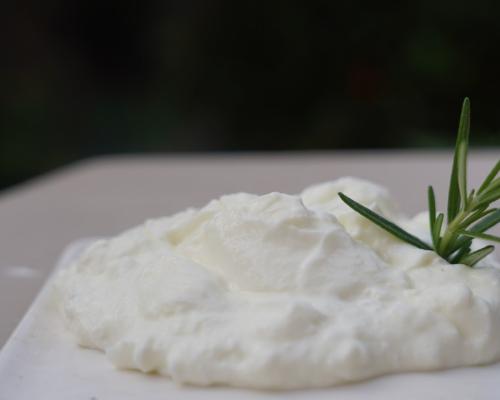
- The Harvest Treat: During the harvest season, fresh must was the base for the Samian “Kourkouta” or “Harvest Treat,” a cool, clear cream that is a variation of moustalevria, made with must from the first grapes, and offered to the grape pickers as a token of thanks.
- Fasting periods: Grape molasses, as a 100% natural product of the vine, was traditionally used as a Lenten sweetener and formed the basis for fasting desserts, such as moustokouloura.
- Welcome sweet: Spoon sweets, made from various fruits of Samos, were and still are offered as the classic welcome treat to visitors to the home, symbolizing hospitality.
Petimezi and raisins, as products in which the constituents of the grape are concentrated, have high nutritional value and are traditionally considered “superfoods” of the Mediterranean diet.
Petimezi
Petimezi is a natural sweetener with no added sugar or preservatives.
- Macronutrients: It is rich in carbohydrates (natural sugars), providing high energy.
- Micronutrients & Bioactive Compounds: It is a very good source of Vitamin B6, as well as important minerals such as Potassium, Magnesium, Manganese and especially Iron. Its high iron content, compared to sugar, makes it beneficial for the prevention or management of iron-deficiency anemia. It also contains antioxidant compounds.
Raisins
Raisins are dehydrated fruits with a high concentration of nutrients.
- Macronutrients (per 100 g): They contain about 299 kcal, with carbohydrates (approximately 79 g) being the main component. They are a good source of dietary fiber (about 4 g), which contributes to intestinal health.
- Micronutrients & Bioactive Compounds: They are rich in polyphenols (such as catechins and phenolic acids) with strong antioxidant action, boosting the body’s defenses. They contain Iron, Calcium, Magnesium and Boron, minerals that are important for the bones and the circulatory system.
Petimezi and raisins, as products in which the constituents of the grape are concentrated, have high nutritional value and are traditionally considered “superfoods” of the Mediterranean diet.
Petimezi
Petimezi is a natural sweetener with no added sugar or preservatives.
- Macronutrients: It is rich in carbohydrates (natural sugars), providing high energy.
- Micronutrients & Bioactive Compounds: It is a very good source of Vitamin B6, as well as important minerals such as Potassium, Magnesium, Manganese and especially Iron. Its high iron content, compared to sugar, makes it beneficial for the prevention or management of iron-deficiency anemia. It also contains antioxidant compounds.
Raisins
Raisins are dehydrated fruits with a high concentration of nutrients.
- Macronutrients (per 100 g): They contain about 299 kcal, with carbohydrates (approximately 79 g) being the main component. They are a good source of dietary fiber (about 4 g), which contributes to intestinal health.
- Micronutrients & Bioactive Compounds: They are rich in polyphenols (such as catechins and phenolic acids) with strong antioxidant action, boosting the body’s defenses. They contain Iron, Calcium, Magnesium and Boron, minerals that are important for the bones and the circulatory system.