Spoon Sweets of Chios
The Spoon Sweets of Chios are among the most representative and distinctive treats of the local gastronomy, deeply connected with the island’s rich agricultural production, especially the citrus fruits of Kampos, which bestowed upon Chios the epithet “Myrovolos” (“Fragrant”). These sweets are made from fruits, vegetables, or flowers, which are preserved whole or in large pieces in a thick sugar syrup, with the addition of lemon juice as a means of preservation and for “cutting” the syrup. This tradition goes back centuries, passing down from generation to generation the wisdom of seasonality and the preservation of produce.
The Spoon Sweets of Chios stand out for the extensive use of the island’s citrus fruits and the addition of Chios Mastiha in many variations, a feature that gives them a unique aroma and flavor. The most renowned and authentic variations are:
- Nerantzi (Bitter Orange) Spoon Sweet (peel or whole, often in rolls)
- Mandarin Spoon Sweet (whole or in segments, made from the famed Chios Mandarin PGI)
- Pistachio Spoon Sweet (from early, unripe pistachio nuts)
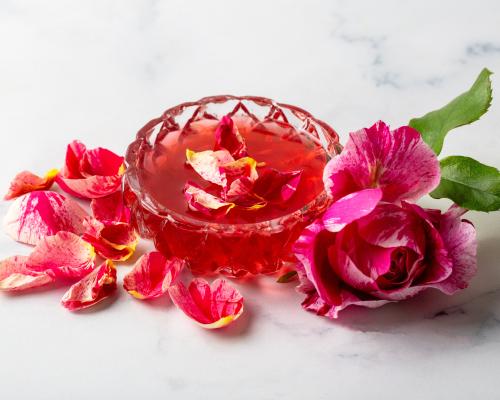
- Rose Spoon Sweet (Rose Sugar), made from the petals of the hundred-leaf rose
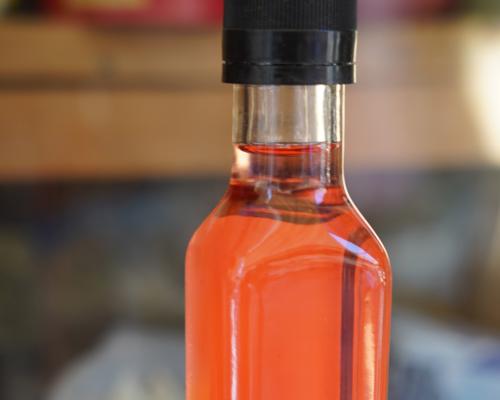
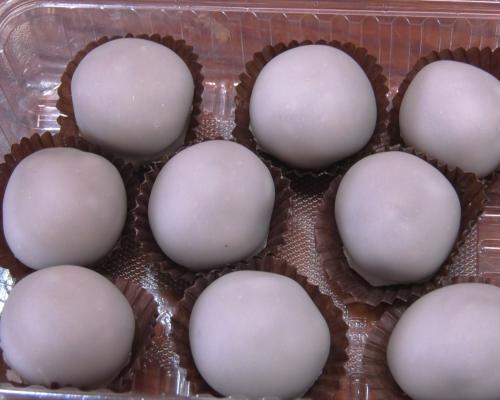
- Mastiha “Submarine” (Vanilla): Although it is not a typical spoon sweet, it is closely related, consisting of a sweet, sugary mixture with Chios Mastiha PDO, served submerged in ice-cold water.
The heart of the production of the raw materials for the Spoon Sweets of Chios lies in the Kampos of the island, an area south of the town of Chios. Kampos is famous for its historic mansions, high stone walls, and above all for its fragrant citrus groves (oranges, lemons, bitter oranges, mandarins).
The mild Mediterranean climate of Chios, with its high sunshine levels, and the soil composition of Kampos (red soils and clayey–sandy-clayey soils), is ideal for the cultivation of the aromatic fruits used in the sweets. In addition, the use of Chios Mastiha situates their production, at least aromatically, in the Mastichochoria of southern Chios, where the mastic tree grows exclusively. Other raw materials, such as pistachios (from Avgonyma, Anavatos, Karyes) and sour cherries, also come from specific areas of Chios, further reinforcing the local character of the product.
The preparation of Chian spoon sweets is based on a traditional, homemade technique that requires patience and great skill, especially in the preparation of the fruit. The basic method follows these stages:
- Preparation of the Raw Material: The most time-consuming stage. For citrus fruits (such as bitter orange or orange), the peel is cut, rolled into coils or chopped, and then subjected to a process of successive boilings and changes of water (about 3–4 times), or soaked in limewater, in order to remove the bitterness and give the fruit the desired firmness and translucency. The eggplant sweet, for example, is soaked in water with lemon juice and exposed to the sun to whiten, while pistachios are used in their early, unripe stage.
- Boiling in Syrup (Multi-day Process): The fruits are boiled over high heat with sugar and water. The traditional method dictates that the boiling is not completed in a single phase. Initially, they are boiled for 10–15 minutes, the foam is removed (skimming), and the sweet is left to stand overnight (12–15 hours) so that the fruit can absorb the syrup without disintegrating. This process is repeated once or twice.
- Thickening of the Syrup and Finishing: In the final boiling, lemon juice is added, which acts as a preservative and helps the syrup to “set,” preventing crystallization. The syrup must reach the appropriate level of thickening, which was traditionally checked by how a drop “stuck” between the fingers or by using a thermometer. In many sweets from Kambos, such as quince, cloves or ground mastic are added for aroma, while the eggplant sweet is often studded with a clove and an almond.
- Storage: Once cooled, the sweets are packed in sterilized jars.
Spoon Sweets are an important pillar of Chios’ rural economy and identity. Their production, both at cottage-industry and commercial level, serves as a way to utilize and preserve the rich citrus output of Kambos, as well as other local raw materials such as mastiha, pistachio and rose. Through these sweets, the reputation of Chian products, especially Chios Mandarin and Mastiha, travels beyond Greece. The presence of traditional workshops, some with a history spanning more than 80 years (e.g., Korakis-Marinos since 1937), keeps traditional recipes and practices alive, helping to preserve the island’s cultural heritage and support local employment.
The tradition of spoon sweets in Chios is inextricably linked with the history of Kambos and the nobility of its families. Since ancient times, the land of Kambos, with its fertile soil, has produced exceptional fruits, which not only supplied the island but were also exported to foreign markets, from the Black Sea to the Mediterranean.
The preparation of spoon sweets was one of the main methods of preserving fruit, especially citrus, so that it could be consumed out of season. In the mansions of Kambos, the women, known as “ladies of the manor”, safeguarded authentic homemade recipes that were passed down devoutly from mother to daughter. Spoon sweet was the ultimate act of hospitality and a way of welcoming a guest, served on a small plate with a glass of ice-cold water. This ritual reflects the social and cultural value of the product, transcending the simple role of a confection. The addition of PDO Mastiha, the “most precious tear” of Chios, further enhanced the uniqueness and local identity of the sweets.
The main custom surrounding Spoon Sweets is that of hospitality. In every home in Chios, as throughout Greece, offering spoon sweet to a visitor was essential and constituted a sign of respect and welcome. The housewife always had a great variety in her cellar, so she could choose the best or the rarest sweet of the season. The sweet, served on a crystal plate with a silver teaspoon and accompanied by cool water, symbolized the sweet life and the wish for a pleasant, “sweet” visit.
In Chios, there is a distinct seasonality to the sweets:
- Spring–Early Summer: Rose sweet (rose sugar), Pistachio, Cherry, Bitter Orange Blossom.
- Autumn–Winter: Quince sweet, Fig, Chestnut, as well as the citrus-based sweets from Kampos.
Spoon sweets are generally considered a healthier alternative compared with other desserts (such as tray-baked sweets or pastries), mainly due to the absence of animal or vegetable fats and their comparatively lower caloric value per serving. They retain a large part of the nutrients of the fruit or vegetable from which they are made, such as:
- They are rich in dietary fiber, which contributes to intestinal health and the feeling of satiety, particularly those sweets that include the fruit peel (e.g., bitter orange, orange, fig).
- They contain antioxidants and fruit vitamins, such as vitamin C and beta-carotene, although the vitamin content is reduced due to heat processing.
- Their nutritional composition consists mainly of simple sugars (from the added sugar and the fruit’s natural sugars).
Spoon sweets are generally considered a healthier alternative compared with other desserts (such as tray-baked sweets or pastries), mainly due to the absence of animal or vegetable fats and their comparatively lower caloric value per serving. They retain a large part of the nutrients of the fruit or vegetable from which they are made, such as:
- They are rich in dietary fiber, which contributes to intestinal health and the feeling of satiety, particularly those sweets that include the fruit peel (e.g., bitter orange, orange, fig).
- They contain antioxidants and fruit vitamins, such as vitamin C and beta-carotene, although the vitamin content is reduced due to heat processing.
- Their nutritional composition consists mainly of simple sugars (from the added sugar and the fruit’s natural sugars).