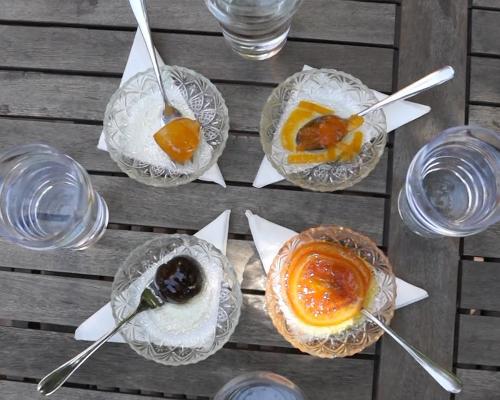
Samiot Pumpkin Burekia
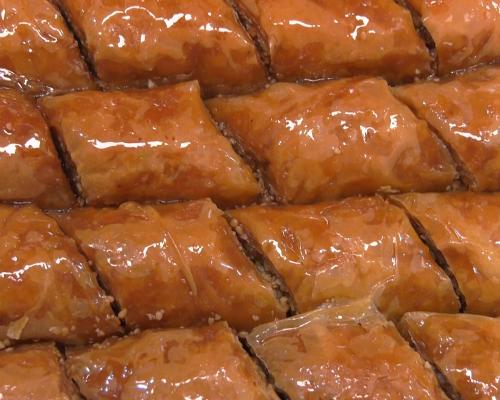
Samiot Pumpkin Burekia are one of the most distinctive and traditional delicacies of the island of Samos, belonging to the category of sweets or, more accurately, sweet-and-savory pies. This particular dish combines the sweet taste of yellow pumpkin (which in Samos is also called “lyra” due to its color and value) with the saltiness of local cheese (usually feta or kefalograviera/kefalotyri) and the aroma of cinnamon and other spices. The result is a unique flavor combination, wrapped in a thin, handmade pastry sheet, which is either baked or fried. Traditionally, these burekia are served sprinkled with grated cheese or, more often, with local honey, enhancing their sweet-and-salty character and highlighting Samos honey.
Samiot Pumpkin Burekia are also known as “Kolokythopitakia” (little pumpkin pies) or, in certain areas of Samos such as Koumeika, as “Ptakia.” Their main uniqueness lies in the sweet-and-salty filling, which sets them apart from purely sweet or purely savory pies. The filling includes the local yellow-red pumpkin, which is roasted or boiled and then drained, onions (sautéed), cheese (feta, kefalotyri or myzithra), eggs, and is flavored with cinnamon and allspice, as well as a little sugar. This combination, where the sweet pumpkin “tempers” the saltiness of the cheese, is characteristic of Samiot gastronomy, which has been strongly influenced by Asia Minor. As for their shape, they are traditionally rolled into a snail shape or into small cylindrical sticks (little burekia) using handmade pastry.
Pumpkin Burekia are inextricably linked with the island of Samos, which is renowned for the fertility of its soil and the abundance of its agricultural products, among which the sweet yellow pumpkin (or “lyra”) stands out. The temperate Mediterranean climate and the rich vegetation of the island favor the cultivation of this vegetable, which traditionally constituted an inexpensive and nutritious raw material, especially during the autumn and winter months.
The production of Samiot Burekia is a process based on the traditional handmade technique of pie-making.
- Preparation of the Pumpkin (Filling): The yellow pumpkin (lyra) is cleaned, cut into pieces and usually baked in the oven or boiled until it softens. The critical step is thorough draining and squeezing of the pumpkin (even for 6 hours), so that all liquids are removed, ensuring that the filling will not make the pastry sheet soggy. It is then mixed with the sautéed onions (and sometimes leeks/carrots), the grated cheeses (feta and kefalotyri/kefalograviera), the eggs, and the spices (cinnamon, allspice) and a little sugar, creating the characteristic sweet-and-salty mixture.
- Preparation and rolling out of the phyllo (dough): The dough is traditionally made with hard wheat flour, water, olive oil, vinegar, salt and sugar. The vinegar and oil help make the pastry crisper. The dough is kneaded and left to rest (about 1 hour) before being rolled out into a thin sheet with a rolling pin or, using more modern techniques, with a pasta machine.
- Shaping: The thin sheet is cut into long strips (4–7 cm wide). The filling is spread along the length of the strip, which is then rolled into a tight roll and subsequently twisted into a cylindrical shape or a snail shape (coiled).
Baking/Frying: The bourekia are placed in an oiled baking tray, brushed with oil or beaten egg and baked in a preheated oven (at 180°C–200°C) until golden. An equally traditional method, especially for smaller bourekakia, is frying in hot olive oil.
Pumpkin bourekia have a dual impact on Samos, in both the agricultural and the cultural/tourism sectors. Their production strengthens the local cultivation of yellow pumpkin and the use of local cheeses and olive oil, supporting the island’s primary production. Culturally, the dish keeps traditional Samiot cuisine alive, which has received Asia Minor influences, and constitutes a characteristic example of it. For tourism, bourekia function as a gastronomic “identity,” offering visitors an authentic and distinctive taste of the place, particularly popular in traditional restaurants and cafés.
The tradition of bourekia, as small pies or pastries, is widespread throughout Greece and the Balkans, often bearing influences from Ottoman and Asia Minor cuisine. In Samos, the recipe for bourekia with sweet pumpkin and cheese is part of the island’s rich gastronomic heritage, which was shaped by its geographical location near the Asia Minor coast and the mixing of populations.
Samiot Bourekia are traditionally associated with fasting and festive periods. Specifically, it is customary for them to be prepared from the beginning of the Triodion until Clean Monday, offering a tasty dish to the faithful, as, depending on the ingredients, it could be adapted to the dietary requirements of fasting. However, the recipe is now made throughout the year, especially in the autumn and winter months, when pumpkin is in season. They also serve as a treat at local festivals, fairs, and family gatherings, often offered at the end of the meal as a dessert, sprinkled with local honey.
Samian Pumpkin Bourekia, being a composite dish made of pastry, sweet pumpkin, cheese, oil, eggs and sugar/honey, have significant nutritional value, which varies depending on the method of preparation (baked or fried) and the amount of oil and cheese. The base of the dish, the pumpkin, is an extremely nutritious vegetable.
Yellow pumpkin is rich in:
- Beta-carotene (a precursor of vitamin A), lutein and zeaxanthin, powerful antioxidants that contribute to the health of the eyes and skin.
- Dietary fiber, which helps bowel health and digestion.
- Vitamins such as vitamin C and E, and minerals such as potassium, magnesium and phosphorus.
- It is low in calories (about 26–49 kcal per 100 g of peeled pumpkin) and in fat.
In the overall nutritional analysis of the final product (boureki), protein and calcium from the cheese and eggs are added, as well as carbohydrates, fats and calories from the pastry (flour/oil) and the addition of sugar/honey.
Indicative Nutritional Components of the final product (depending on the recipe and method of cooking):
- Macronutrients: It contains complex carbohydrates (from the flour and pumpkin), proteins (from cheese and eggs), and fats (from the olive oil and cheeses). Its caloric value is significant, especially if it is fried or contains a large quantity of cheese.
- Bioactive Compounds: Apart from carotenoids, allspice and cinnamon confer antioxidant and anti-inflammatory properties.
Samian Pumpkin Bourekia, being a composite dish made of pastry, sweet pumpkin, cheese, oil, eggs and sugar/honey, have significant nutritional value, which varies depending on the method of preparation (baked or fried) and the amount of oil and cheese. The base of the dish, the pumpkin, is an extremely nutritious vegetable.
Yellow pumpkin is rich in:
- Beta-carotene (a precursor of vitamin A), lutein and zeaxanthin, powerful antioxidants that contribute to the health of the eyes and skin.
- Dietary fiber, which helps bowel health and digestion.
- Vitamins such as vitamin C and E, and minerals such as potassium, magnesium and phosphorus.
- It is low in calories (about 26–49 kcal per 100 g of peeled pumpkin) and in fat.
In the overall nutritional analysis of the final product (boureki), protein and calcium from the cheese and eggs are added, as well as carbohydrates, fats and calories from the pastry (flour/oil) and the addition of sugar/honey.
Indicative Nutritional Components of the final product (depending on the recipe and method of cooking):
- Macronutrients: It contains complex carbohydrates (from the flour and pumpkin), proteins (from cheese and eggs), and fats (from the olive oil and cheeses). Its caloric value is significant, especially if it is fried or contains a large quantity of cheese.
- Bioactive Compounds: Apart from carotenoids, allspice and cinnamon confer antioxidant and anti-inflammatory properties.