Pritsikelia
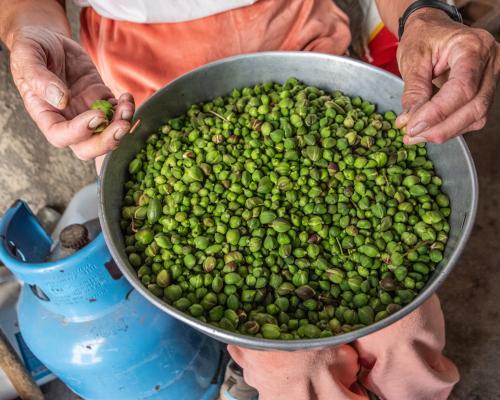
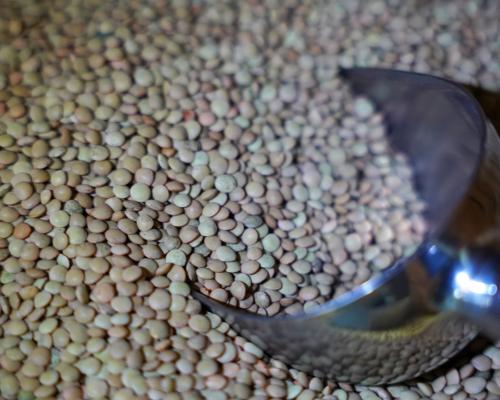
Pritsikelia are one of the local legume varieties that are traditionally cultivated in certain villages of Lesvos, mainly to cover the needs of the local communities. Together with other local beans, such as “aspromyitika”, “mavromyitika”, “barbounia” and “frankofasoula” (widows), they form part of the island’s agricultural diversity and nutritional heritage. Their cultivation is closely linked to systems of sustainable and traditional agriculture, in contrast to intensive methods, something that is highlighted in studies on the local varieties of Lesvos.
Pritsikelia, as a name, is a local synonym for a small-seeded type of bean variety (Phaseolus). They belong to the local, unimproved varieties/populations that have adapted to the soil and climatic conditions of the island.
The cultivation of Pritsikelia is found on Lesvos, an island with significant agricultural wealth and a variety of microclimates. In general, legumes on Lesvos are grown in various villages, with an emphasis on areas with fertile plains, such as the beans of Kapi, which are mentioned alongside Pritsikelia. The geographical area of Lesvos is characterized by varied relief and soil-climatic conditions that favor traditional agriculture.
As a local legume variety, the cultivation of Pritsikelia follows traditional, low-input agricultural practices, which are considered the most suitable for maintaining these varieties and adapting them to sustainability systems.
- Soil and Climatic Requirements: The local legume varieties have adapted to the specific soil and climatic conditions of Lesvos, which include coping with the dry and hot conditions of the Aegean. Cultivation is usually rainfed or with minimal irrigation, making use of winter and spring rainfall levels.
- Traditional Practices: Sowing is carried out at the appropriate season, while cultivation care (weeding, hoeing) is often done with traditional tools.
- Harvesting and Processing: The harvesting of pulses takes place when the pods have ripened and dried. At a traditional level, this process includes uprooting the plants, sun‑drying them, and threshing (by beating or on a traditional threshing floor) to separate the seeds from the pod. Post‑harvest processing includes cleaning and storing the seeds in a dry place to protect them from insects and moisture, often using traditional preservation methods.
The cultivation of local varieties, such as Pritsikelia, has multiple impacts on Lesvos:
- Biodiversity Conservation: The survival of Pritsikelia contributes to the preservation of the island’s plant genetic material and agrobiodiversity, offering material adapted to local conditions.
- Economic and Social Cohesion: Their cultivation strengthens local economies, especially in small communities, through traditional production and the potential for creating value‑added products. It also reinforces cooperation among local producers.
- Cultural Identity: Pritsikelia are part of the gastronomic identity of Lesvos, preserving traditional recipes and practices.
The cultivation of pulses on Lesvos has historical continuity, having been a staple of the diet for centuries. Local varieties, such as Pritsikelia, have been selected and preserved from generation to generation, reflecting agrarian knowledge and adaptation to local conditions. The preservation of these seeds is linked to the island’s Asia Minor Heritage, as the exchange of agricultural products and know‑how with neighboring Asia Minor was continuous, enriching agricultural production and gastronomy.
Pritsikelia, as legumes, are a traditional fasting food for periods of religious observance during which the consumption of meat is avoided. Their preparation is part of the traditional practices of Lesbian cuisine, which strongly reflects the characteristics of a simple Mediterranean diet.
Pritsikelia of Lesvos, as pulses, display the usual nutritional benefits of beans. They are rich in plant proteins, complex carbohydrates and dietary fiber, which contribute to digestive health and to the regulation of blood sugar and cholesterol. They also provide B‑complex vitamins, folic acid, and minerals such as iron, magnesium, potassium and zinc. They additionally contain polyphenols and antioxidants, while local varieties, such as Pritsikelia, often exhibit distinctive profiles due to their genetic makeup and local adaptation.
Pritsikelia of Lesvos, as pulses, display the usual nutritional benefits of beans. They are rich in plant proteins, complex carbohydrates and dietary fiber, which contribute to digestive health and to the regulation of blood sugar and cholesterol. They also provide B‑complex vitamins, folic acid, and minerals such as iron, magnesium, potassium and zinc. They additionally contain polyphenols and antioxidants, while local varieties, such as Pritsikelia, often exhibit distinctive profiles due to their genetic makeup and local adaptation.