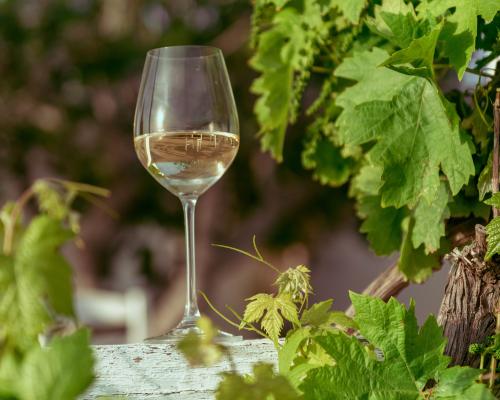
Pyrrhaean Wine
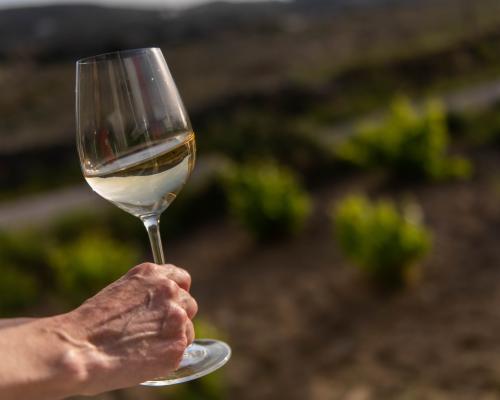
Pyrrhaean Wine refers to a historically and traditionally renowned wine of Lesvos, whose reputation dates back to antiquity. While modern wine production on the island has revived after the devastation caused by phylloxera in the 19th century, the name “Pyrrhaean Wine” indicates the historical connection with the region of Kalloni and, in particular, the ancient city of Pyrrha, which was located on the western coast of the Gulf of Kalloni. This wine, together with the famed wine of Mythimna, was one of the most sought-after wines of Lesvos, known even in Byzantine times and later in the harems of the Sultans, a fact that attests to its enduring quality.
Pyrrhaean Wine is included among the products of Lesvos with a recognized geographical indication:
Basic Specifications (PGI Lesvos): The PGI framework ensures that at least one of the stages of production, processing, or preparation takes place in the delimited area. In the case of wine, the viticultural zone covers the entire island of Lesvos. “Pyrrhaean Wine,” as a historical designation, provided it is revived by a modern winery within the delimited zone, may bear the indication PGI Lesvos, as long as it meets the specifications for local wines, which include the use of permitted grape varieties. Current production efforts on Lesvos focus on highlighting local varieties such as Kalloniatiko (white), Fokiano (red/light red), and Vapsa (red), in combination with international and other Greek varieties (Assyrtiko, Mandilaria).
Lesvos, as a geographical wine-producing area, has a distinctive microclimate resulting from the combination of Mediterranean and continental climate, as well as the absence of high humidity in its mountainous vineyards.
The soil of the island is critical to the character of its wines. Most of Lesvos, especially its western part where the ancient Pyrrha was likely located, consists of volcanic pyroclastic materials rich in minerals, which confer a pronounced minerality and high acidity to the wines. The absence of phylloxera in certain arid and volcanic areas of western Lesvos allowed for the survival of some pre-phylloxera vineyards (vines on their own roots), which constitute rare and valuable genetic material for wine production.
Modern winemaking on Lesvos combines traditional viticultural care with contemporary technological vinification methods, with the aim of producing high-quality wines that express the local terroir.
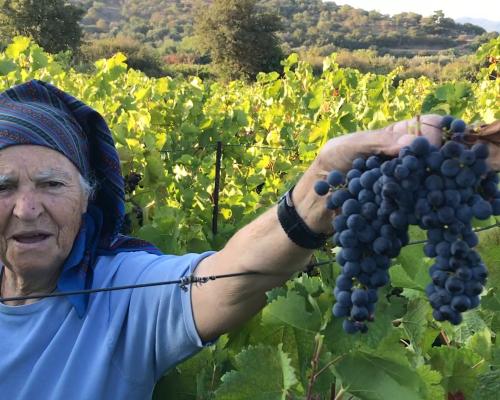
- Cultivation & Harvest: The vines are often cultivated under dry-farming conditions (without artificial irrigation), especially in volcanic areas, a practice that stresses the vine and leads to low yields per hectare but a high concentration of aromatic compounds and pigments in the grapes. The vineyard is trained either in the traditional goblet (bush vine) style or in linear rows. In the past, the harvest traditionally began after the Feast of the Holy Cross and was carried out with great care, sometimes with the grapes being spread out on drying racks so that excess water could evaporate and the sugar content increase.
- Vinification: Vinification, especially for red wines (as was most likely the case with the historical Pyrrhaean Wine), follows the classic method of red winemaking. Alcoholic fermentation, whether for whites or reds, takes place at controlled temperatures (<20°C for whites), with the aim of preserving the delicate aromatic characteristics of the local varieties.
- Maturation: For the more complex red wines (e.g., from Mandilaria and Vapsa), ageing in oak barrels may be employed for a specific period of time, imparting complexity, structure, and spicy notes. However, many PGI Lesvos wines are released as young, fruity wines, highlighting the freshness of the varieties, with maturation limited to stainless steel tanks.
The revival of winemaking in Lesvos, with historical references such as “Pyrraios Wine,” is a significant driver of development for the island. The cultivation of vineyards in areas such as Chidira and Anemotia, where pre-phylloxera vines have been preserved, helps maintain agricultural land and protect local varieties from genetic erosion.
The production of PGI Lesvos wine strengthens the local economy by creating jobs in both the primary and secondary sectors, while the visitable wineries are now part of new forms of tourism (gastronomic tourism, wine tourism), offering visitors a complete experience and showcasing the wealth of Lesvos products (ouzo, olive oil, dairy products).
The winemaking history of Lesvos is one of the oldest and most renowned in the Greek world. In antiquity, Lesvian Wine was highly sought after, with Athenaeus in Deipnosophistae stating: “With the wine of Lesbos, none can be compared.” The wine of Mythimna was considered “the nectar of the Olympian Gods,” while the Pyrraios Wine of Kalloni also held a special place. The great philosopher Aristotle, who lived in Lesvos (near Pyrra) and conducted the largest part of his biological work there, refers to the Pyrraean Euripus, a fact that underscores the historical significance of the area. This tradition was maintained until the 19th century, when phylloxera wiped out almost all the vineyards, leaving behind only the reputation and the surviving vines of western Lesvos.
Wine production in Lesvos is traditionally associated with rich customs and rituals, many of which have been revived with modern viticulture:
- The Grape Harvest: In earlier times, the grape harvest was a family celebration and a shared task, accompanied by songs and good wishes. The grapes (Kandiles, Moschata, Kerina, Krasata) were transported by animals to the country houses and the drying yards to be lightly sun-dried.
- The “Staphylopatos”: The pressing of the grapes took place in the staphylopatos (which functioned as a wine press), usually by young boys, a process that marked the beginning of the new production.
- “Kokkineli”: A much sought-after wine of Lesvos, kokkineli (a light red or rosé wine) was especially popular, with small boats loading it in sealed jugs from Kalo Limani to transport it to Constantinople.
Given that Pyrraios Oinos is a historical name and not an officially registered product, the search for distinctions focuses on modern PGI Lesvos wines and on producers active on the island who are reviving the winemaking tradition:
- Winery “Methymnaeos” (Chidira, Lesvos):
- Competition: Balkans International Wine Competition
- Year: 2015
- Category: White Wine (Methymnaeos White 2013)
- Level: Gold Medal
- Review: JancisRobinson.com
- Year: (2014)
- Category: Orange Wine (Methymnaeos Orange 2014)
- Level: 17.5/20 (High Distinction)
- Competition: Balkans International Wine Competition